How to Choose the Right Safe Lock
Jul 11, 2024 / Industry News / 123 views
When choosing the right safe lock for your security needs, it's important to understand the distinct features of the main types of safe locks available. Safe locks can often be interchanged due to standardized mounting dimensions, allowing you to select from mechanical combination locks, digital locks, or key locks based on your preference.
Despite this interchangeability, the intrinsic characteristics of each lock type vary, making some more suitable for specific situations. For instance, a mechanical lock is more reliable in harsh environments like damp outdoor conditions compared to an electronic lock. Let's explore the most common types of safe locks currently in use.
Key-operated safe locks are a reliable choice for those who struggle with remembering combinations. They are known for their durable construction and provide sufficient security, as long as the key is kept secure and separate from other keys. However, one drawback is their susceptibility to theft, as the key can be targeted by thieves aware of the presence of valuables.
Key locks offer simplicity and affordability, making them popular. However, managing the key is crucial for security. Leaving the key near the safe can compromise its safety. Despite their simplicity, key-operated locks require careful consideration of key storage to prevent unauthorized access.
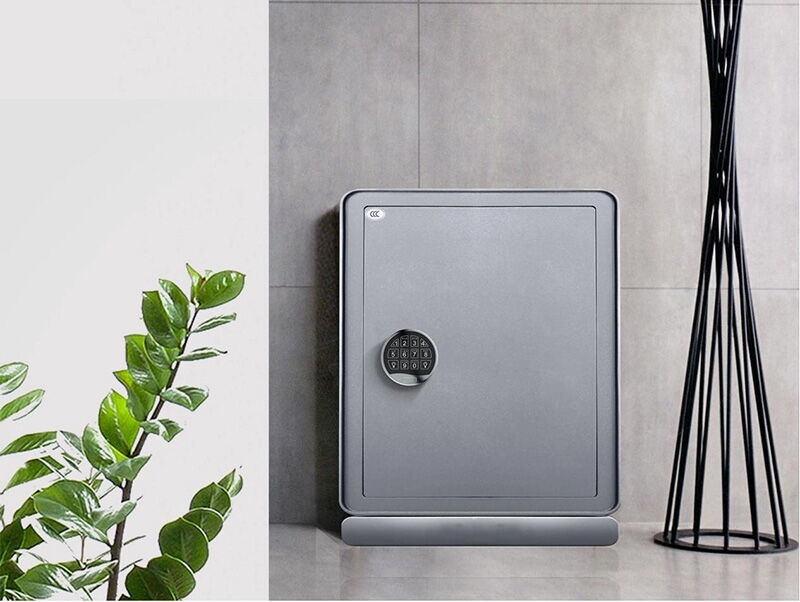
Electronic combination safe locks come in various designs, featuring a keypad for code entry and an internal mechanism for storing codes and activating locking bolts. This category also includes biometric options like fingerprint scanners.
Mechanical combination safe locks, also known as dial or wheel combination locks, are iconic in the safe industry. They use a dial to input codes, with internal wheel packs setting the combination.
Biometric fingerprint safes are advanced security solutions offering top-tier protection for homes and businesses. They utilize cutting-edge technology to safeguard your valuables.
How Biometric Fingerprint Safes Work: A biometric fingerprint safe operates by scanning and identifying your unique fingerprint, which is stored in a secure database within the safe. When your fingerprint matches the stored data, the safe unlocks, providing access restricted to your biological imprint.
Selecting the ideal safe lock depends on your personal preferences and needs. Consider whether you prioritize remembering codes or carrying keys. Each lock type offers unique advantages and disadvantages, so it's essential to weigh these factors carefully before making a decision. For more information or assistance, feel free to reach out to us.