A Complete Guide to Vending Machine Cylinder Locks and Security Systems
Feb 07, 2026 / Industry News / 345 views
As automated retail continues to expand worldwide, vending machines have evolved far beyond simple snack dispensers. Today, vending machines handle high-value products, cashless payment systems, sensitive electronics, and valuable inventory across locations such as shopping malls, airports, hospitals, offices, factories, schools, and public transportation hubs. With this growth comes a critical challenge: security.
At the heart of vending machine security lies a small but vital component—the vending machine cylinder lock. Often overlooked, cylinder locks play a decisive role in protecting machines against theft, vandalism, and unauthorized access. A high-quality cylinder lock not only safeguards cash and products but also reduces maintenance costs, downtime, and operational risk.
This article explores vending machine cylinder locks in detail, including their function, types, materials, security features, selection criteria, installation considerations, and future trends. Understanding these locks is essential for vending machine operators, manufacturers, service providers, and facility managers seeking long-term reliability and protection.
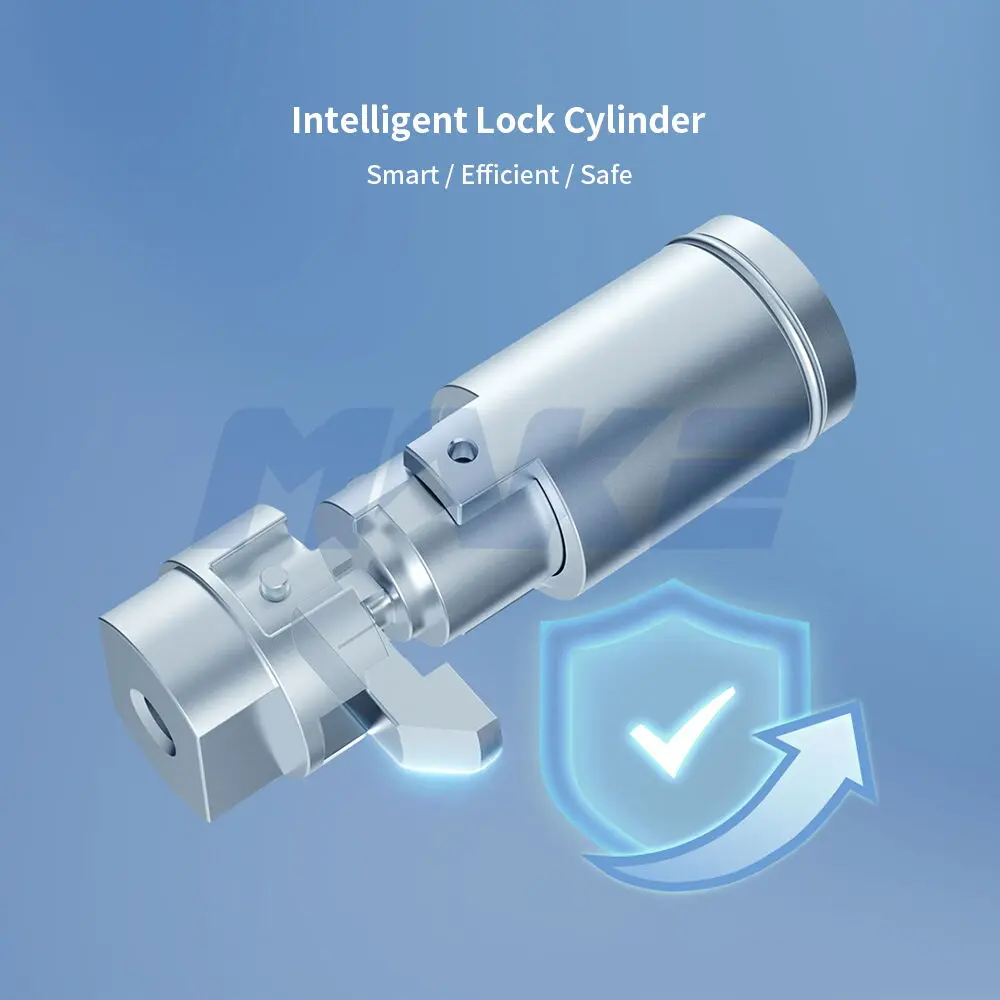
Vending machines are frequently located in unattended or semi-public environments, making them attractive targets for theft and tampering. Cylinder locks act as the first and most critical line of defense, preventing unauthorized access to:
Unlike generic locks, vending machine cylinder locks are designed specifically to withstand forced entry, drilling, picking, and environmental exposure. Their compact size allows them to integrate seamlessly into vending machine doors while delivering high mechanical strength.
A reliable cylinder lock ensures that only authorized personnel—operators, technicians, or managers—can access the machine, protecting both revenue and equipment integrity.
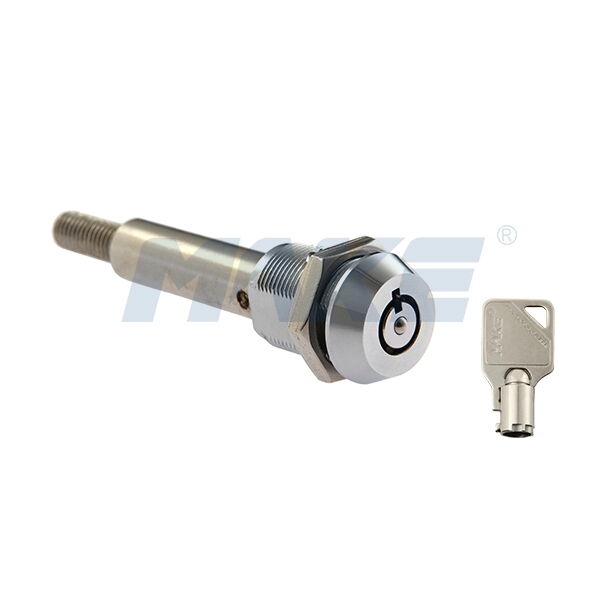
A vending machine cylinder lock is a key-operated mechanical locking device installed into the door or access panel of a vending machine. It typically consists of:
When the correct key is inserted and turned, the internal pins align, allowing the cam to rotate and unlock the door. Once locked, the cam prevents the door from opening, securing the machine.
Cylinder locks are widely used because they are compact, cost-effective, durable, and compatible with various vending machine designs.
Different vending machine applications require different locking solutions. The most common types include:
These are the most widely used vending machine locks. They feature a traditional pin-tumbler mechanism and are available in various key codes. They offer a good balance between affordability and security.
Applications:
Tubular locks use round keys with radial pin arrangements, making them more resistant to picking than standard flat-key locks.
Advantages:
These locks incorporate advanced features such as anti-drill pins, hardened steel inserts, and restricted keyways. Keys cannot be easily duplicated without authorization.
Best suited for:
Master-key systems allow multiple locks to be opened with a single master key while retaining individual keys for specific machines.
Benefits:
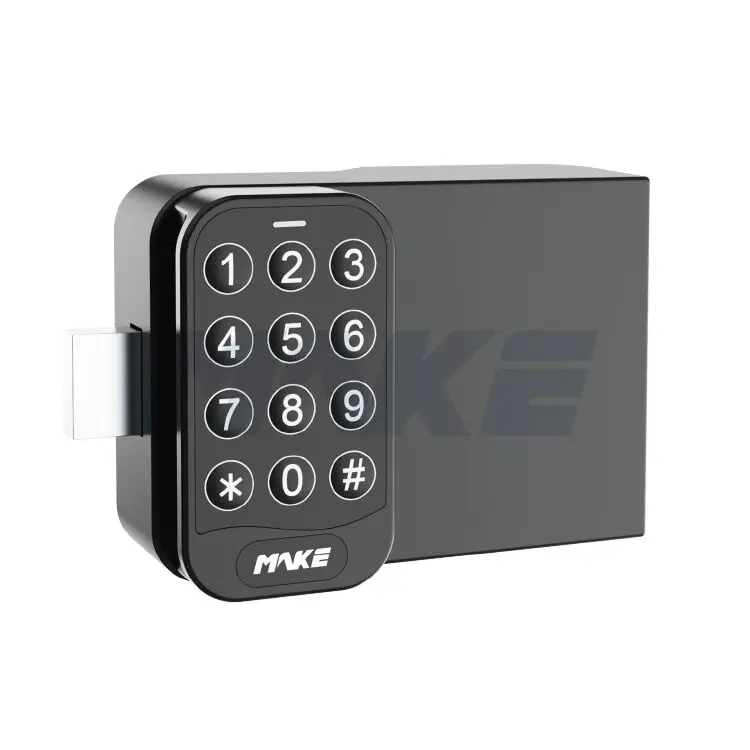
Although less common, some modern vending machines integrate electronic or hybrid cylinder locks that work alongside access control systems.
Features:
Material selection directly impacts durability, corrosion resistance, and security performance.
Brass is widely used due to its corrosion resistance and machinability. Brass locks are suitable for indoor environments and offer reliable performance over long service lives.
Zinc alloy locks are cost-effective and commonly used in standard vending machines. They provide acceptable strength for low- to medium-risk environments.
Stainless steel locks offer superior corrosion resistance and strength, making them ideal for outdoor vending machines or humid environments.
High-security locks often incorporate hardened steel pins, cams, or inserts to resist drilling, cutting, and impact attacks.
When selecting vending machine cylinder locks, security features should be a top priority.
Locks with hardened steel pins or plates prevent thieves from drilling through the cylinder.
Precision pin arrangements, security pins, and complex keyways make picking significantly more difficult.
Reinforced lock housings and secure mounting prevent forced removal of the lock from the door.
Keys can only be duplicated by authorized manufacturers, reducing the risk of unauthorized copies.
Outdoor vending machines require locks that can withstand rain, dust, temperature changes, and corrosion.
Using low-quality or generic locks can lead to serious operational issues, including:
High-quality vending machine cylinder locks reduce these risks while providing long-term cost savings. A secure lock minimizes unauthorized access, protects sensitive components, and maintains customer trust.
Selecting the correct lock involves more than just matching dimensions. Key considerations include:
Machines dispensing high-value products or cash require higher-security locks than low-risk applications.
Indoor, outdoor, or high-humidity environments demand different materials and corrosion resistance levels.
Large vending networks benefit from master-key or restricted key systems to simplify operations.
Ensure the lock's diameter, length, cam type, and mounting method match the vending machine design.
Some regions or clients may require locks that meet specific security or safety standards.
Proper installation and regular maintenance are essential to ensure that vending machine cylinder locks provide long-lasting security and reliable performance.
When installing a cylinder lock, alignment is critical. Ensure the lock is precisely aligned with the door and cam so it engages smoothly without binding. Use the correct mounting hardware to secure the lock firmly; loose fasteners can compromise security and may cause the lock to fail over time. Avoid over-tightening the lock, as excessive force can damage the cylinder or key mechanism. After installation, always test the lock multiple times—both locking and unlocking—to verify smooth operation and proper engagement. Taking the time to carefully install the lock prevents future malfunctions and ensures consistent protection.
Routine inspection is key to extending the life of your cylinder locks. Check regularly for signs of wear, corrosion, or damage to the cylinder and keys. Clean the keyway to remove dust, dirt, or debris that may impede smooth operation. Use lock-specific lubricants if necessary to maintain smooth turning and reduce wear. Replace damaged or worn keys promptly to prevent further damage to the lock mechanism. Following these maintenance practices helps ensure that vending machine locks remain secure, reliable, and efficient for years, minimizing downtime and costly repairs.
For operators managing hundreds or thousands of vending machines, cylinder locks play a critical role in operational efficiency. Standardized lock systems reduce training time for technicians, improve service response, and enhance accountability.
Master-key systems and serialized locks also make it easier to track access and reduce internal security risks.
As vending machines become smarter, security solutions are evolving alongside them.
Integration with Smart Vending Systems
Future cylinder locks may integrate with IoT platforms, enabling remote monitoring and access control.
Hybrid Mechanical-Electronic Locks
Combining traditional cylinder locks with electronic authentication enhances security while retaining mechanical reliability.
Enhanced Anti-Tamper Designs
Manufacturers continue to develop stronger materials, improved pin designs, and tamper-resistant housings.
Sustainability and Durability
Longer-lasting locks reduce waste and align with sustainability goals in modern manufacturing.
Vending machine cylinder locks may be small in size, but their impact on security, reliability, and profitability is significant. As automated retail continues to expand, investing in high-quality, well-designed cylinder locks is no longer optional—it is essential.
By understanding lock types, materials, security features, and application requirements, vending machine operators and manufacturers can make informed decisions that protect assets, reduce risk, and support long-term success. Whether securing a single machine or managing a nationwide vending network, the right cylinder lock ensures peace of mind, operational efficiency, and dependable performance in an increasingly competitive market.