The Ultimate Guide to Furniture Cabinet Locks: Types, Trends, and Smart Solutions
Home News Industry News The Ultimate Guide to Furniture Cabinet Locks: Types, Trends, and Smart Solutions
Jan 30, 2026 / Industry News / 343 views
In both homes and workplaces, furniture cabinet locks are more than just functional hardware—they are essential tools for security, organization, and safety. From securing private documents and medicines to protecting electronics and valuables, cabinet locks are a small but crucial element of everyday life. As living and working spaces evolve with technology and design trends, the demand for versatile, reliable, and stylish locking solutions has never been higher.
This guide provides an in-depth overview of furniture cabinet locks, covering the types available, applications across different sectors, design and material trends, installation and maintenance tips, and considerations for choosing the right lock. Whether you are a homeowner, interior designer, office manager, or furniture manufacturer, understanding these aspects ensures the selection of locks that meet both functional and aesthetic needs.
Cabinets are indispensable for storage, but without locks, they remain vulnerable. Security is a primary concern—unauthorized access can compromise privacy, safety, and property. Safety is another key factor, particularly in households with children, where chemicals, medicines, or sharp tools need controlled access.
Cabinet locks also improve organization in shared environments such as offices, hospitals, or schools, allowing controlled access and reducing disputes over resources. Beyond security and safety, locks can enhance aesthetics, seamlessly blending with furniture designs, and they ensure durability to withstand frequent use. With the modern emphasis on smart living, a well-chosen cabinet lock adds convenience, efficiency, and peace of mind.
Cabinet locks have evolved significantly over the years, offering a range of solutions to meet diverse needs.
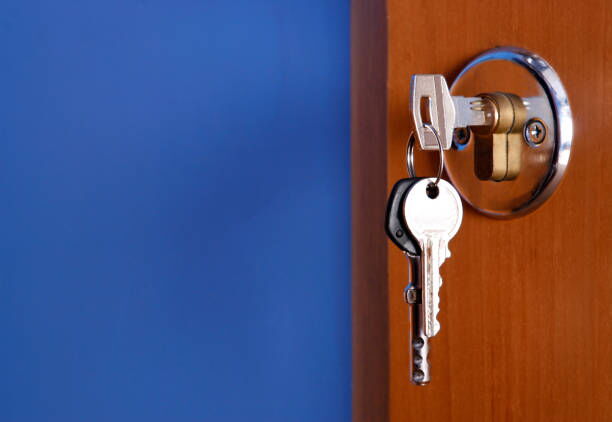
Mechanical Locks remain popular due to their simplicity and reliability. Cam locks, mortise locks, and cylinder locks are among the most widely used types. Cam locks are simple, key-operated devices suitable for drawers and small cabinets. Mortise locks, installed within the door itself, provide higher security but require precise installation. Cylinder locks offer replaceable cores and are often used in commercial furniture for higher security. Mechanical locks are inexpensive and reliable, but keys can be lost, and they offer limited access control.
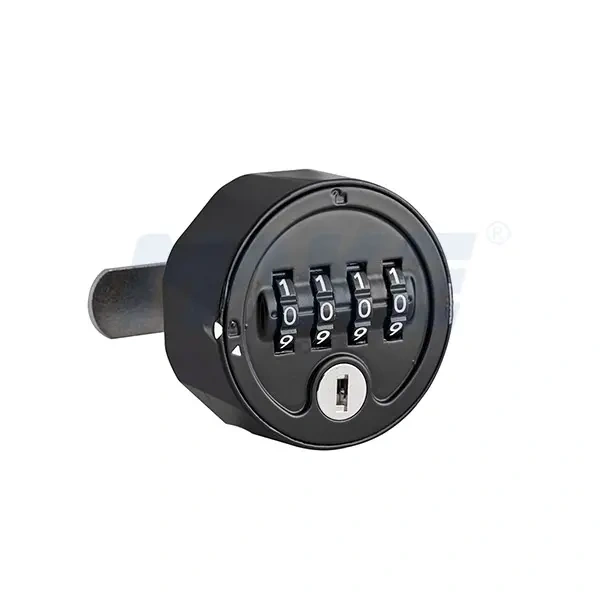
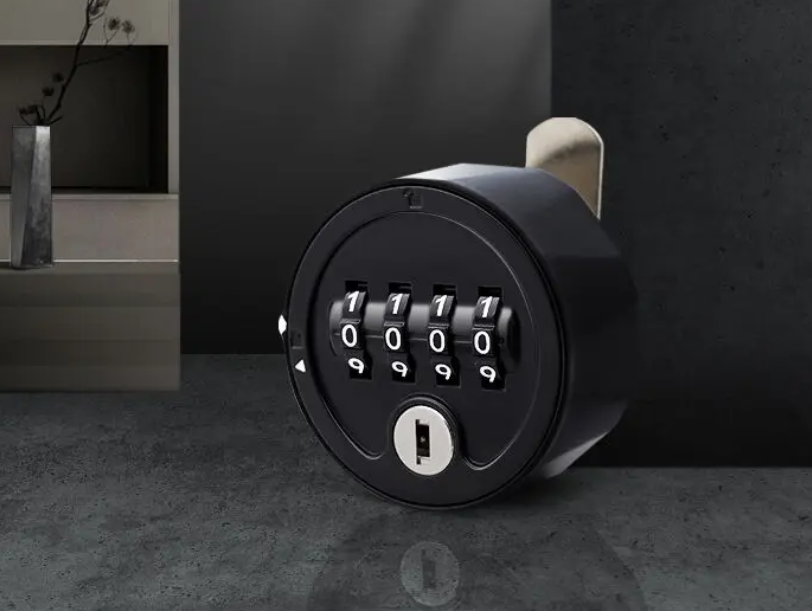
Keyless Push-Button Locks offer convenience by eliminating physical keys. Users enter a numeric code to gain access. These locks are commonly used in homes, tool storage, and office furniture. They can be easily reprogrammed and reduce costs associated with lost keys or rekeying. While convenient, codes may be forgotten, and they usually lack detailed audit trails.
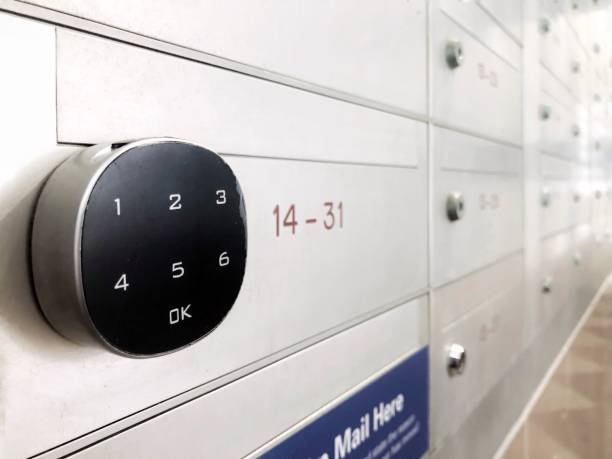
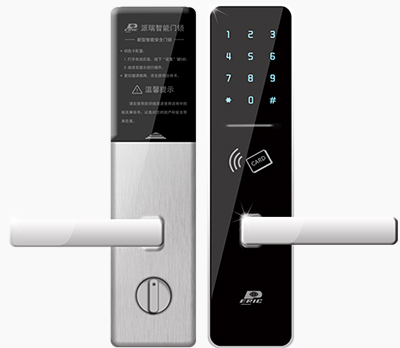
Electronic and Smart Cabinet Locks represent the cutting edge in locking solutions. These include Bluetooth-enabled locks controlled via smartphone apps, Wi-Fi-connected locks that allow remote access, RFID or card reader locks suitable for offices, and biometric locks using fingerprints or facial recognition. These solutions provide advanced access control, activity logs, and integration with wider security systems, though they require power and typically come at a higher cost.
Magnetic and RFID Locks are designed for clean, modern aesthetics. They often hide the locking mechanism within the cabinet and operate through a magnetic key or RFID card. These locks are ideal for minimalist furniture designs, hospitality storage, retail display cabinets, and spaces where visual appeal is as important as security.
Child Safety Locks are specialized locks intended to prevent children from accessing dangerous or sensitive items. They include adhesive magnetic locks, spring-loaded catches, and adjustable tension locks. These are essential for kitchens, bathrooms, and medicine cabinets, ensuring children remain safe while giving adults convenient access.
Furniture cabinet locks are used in a wide range of settings, each with unique requirements.
In residential homes, locks secure medicines, cleaning chemicals, jewelry, valuables, and important documents. They are chosen not just for protection but also to complement furniture design and household aesthetics.
In offices and commercial environments, locks are critical for confidential files, IT equipment, and employee storage. Offices often need centralized management of multiple locks, allowing facility managers to monitor access and maintain audit trails for security and accountability.
In healthcare facilities, secure access to medical equipment, patient records, and medicines is a priority. Cabinet locks in hospitals and clinics must comply with hygiene standards and safety regulations, with some facilities using biometric or electronic locks to control access more strictly.
In retail and hospitality, locks safeguard display cabinets, back-of-house storage, and guest amenities. Magnetic and RFID locks are particularly popular in these sectors, offering security without disrupting the design and user experience of the furniture.
Modern cabinet locks combine durability with design. Common materials include zinc alloys, which are corrosion-resistant and widely used; stainless steel, favored for heavy-duty use and moisture-prone environments; brass, which offers longevity and a premium finish; and durable plastics, especially in child safety locks or cost-efficient models.
Design trends increasingly emphasize minimalism and aesthetics. Hidden or flush-mounted locks are popular, as are locks with color-matched finishes in black, bronze, or chrome. Smart locks often feature LED indicators, touch screens, or sleek surfaces, marrying security with modern technology and interior design.
When choosing cabinet locks, standards and certifications can guide selection. ANSI/BHMA grading, for example, classifies lock durability and strength from Grade 1 (highest) to Grade 3. For electronic locks, UL 294 certification ensures compliance with access control system standards. IP ratings indicate resistance to dust and moisture, which is particularly important for kitchen, bathroom, or outdoor cabinets.
Best practices include assessing your security needs, considering environmental factors like moisture and frequency of use, planning for access control where needed, evaluating aesthetics, choosing durable materials, and verifying installation requirements. A lock is only as effective as its correct application.
Proper installation is crucial for reliable performance. Following manufacturer instructions, confirming alignment between lock and strike plate, pre-drilling holes to avoid splitting wood, and ensuring power connections for electronic locks are all critical steps. Professional installation is recommended for complex or high-security locks.
Maintenance extends the life of cabinet locks. Mechanical locks should be lubricated periodically and cleaned to prevent dirt buildup. Batteries in electronic locks need timely replacement, and all access mechanisms should be tested regularly. Tightening loose screws and verifying alignment ensures smooth operation. Regular checks prevent common issues such as misalignment, key jams, or electronic failure.
The price of cabinet locks varies widely depending on type, features, and brand. Basic cam or cylinder locks are highly affordable, while keyless push-button models cost more. Smart and biometric locks represent the premium end of the spectrum, reflecting their advanced capabilities and integration with smart systems. When budgeting, consider not just initial cost but long-term reliability, security, convenience, and the potential costs associated with lost keys or unauthorized access.
Technology continues to shape cabinet locking solutions. Smart home integration is increasingly common, allowing locks to connect to platforms like Apple HomeKit, Google Home, or Amazon Alexa. Users can remotely unlock cabinets, receive notifications, and schedule access.
Biometric enhancements are becoming more affordable and accessible. Fingerprint and facial recognition locks offer personalized security and eliminate concerns about lost keys or forgotten codes, making them ideal for high-security residential and commercial applications.
Cloud-connected lock management is another growing trend. Large commercial or multi-location facilities can monitor usage, configure locks remotely, and manage access for multiple users efficiently. While these systems offer convenience, data privacy and cybersecurity must be considered.
Even high-quality locks can underperform if misused. Common mistakes include neglecting power requirements for electronic locks, overlooking environmental factors such as humidity or high-frequency use, and attempting complex installations without professional help. These mistakes can lead to lock failure, misalignment, or reduced lifespan. Proper assessment, planning, and periodic maintenance are essential for effective performance.
Furniture manufacturers are responding to these trends by designing cabinets with integrated lock solutions from the outset. Pre-routed holes for lock installation, modular panels compatible with multiple lock types, and integrated smart lock options enhance usability and appeal. This approach simplifies installation, improves security, and ensures that locks complement furniture design rather than detract from it.
In a corporate headquarters, smart electronic locks were installed on storage cabinets, enabling remote access control, audit trails, and centralized management. The result was improved security, reduced key management costs, and streamlined operations.
In a residential smart home, Bluetooth and RFID locks were implemented in kitchen and personal storage cabinets. App-based access and guest codes allowed controlled usage without compromising convenience or aesthetics. Automatic locking after periods of inactivity enhanced safety, particularly in homes with children.
When selecting a cabinet lock, it is essential to evaluate purpose, type, design, power requirements, installation complexity, budget, compatibility, and manufacturer support. A balance between security, convenience, aesthetics, and cost ensures that the lock serves its intended purpose while enhancing user experience.
As smart buildings, co-working spaces, and safety-centric designs become more widespread, cabinet locks will continue to evolve. Artificial intelligence may enable predictive access profiles, blockchain technology could provide immutable activity logs, voice-activated access may become common, and eco-friendly materials will increasingly influence design.
Cabinet locks are moving beyond simple security devices to become integrated components of intelligent living and working environments. They will combine physical protection with digital intelligence, providing convenience, safety, and style in one solution.
Furniture cabinet locks are small, yet essential, components that make a big difference in security, safety, and organization. Understanding the types available, their applications, material choices, installation requirements, and emerging trends allows homeowners, businesses, and designers to select solutions that meet practical and aesthetic needs. Whether securing a home pantry, protecting office files, or designing modern furniture, the right cabinet lock offers peace of mind, convenience, and lasting value.
Choosing wisely ensures that your cabinets are not only secure but also seamlessly integrated with your space, reflecting both style and functionality.