Electronic Keypad Locks Explained: Smart Keyless Security for Modern Doors
Feb 10, 2026 / Industry News / 97 views
As security demands grow more complex in both residential and commercial environments, traditional mechanical locks are increasingly being replaced by smarter, more flexible solutions. Among these innovations, electronic keypad locks have emerged as one of the most practical and widely adopted access control technologies. By eliminating physical keys and introducing digital authentication, these locks offer enhanced convenience, improved security, and greater control over who enters a space and when.
From private homes and apartment buildings to offices, hotels, hospitals, and industrial facilities, electronic keypad locks are becoming a standard feature of modern security systems. Their ability to combine durability with advanced electronic functions makes them especially attractive in environments where access management, accountability, and reliability are critical.
This article provides a comprehensive overview of electronic keypad locks, explaining what they are, how they work, their key components, benefits, applications, and future development trends in the evolving security landscape.
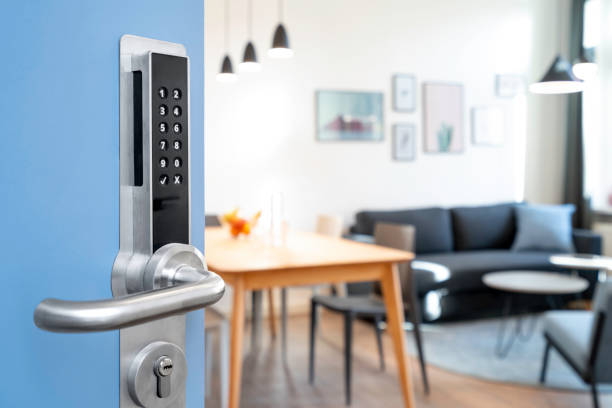
An electronic keypad lock is a type of keyless locking system that grants access through the entry of a numeric or alphanumeric code on a keypad. Instead of relying on a physical key, the lock uses electronic circuitry and software-based authentication to control the locking and unlocking process.
When a correct code is entered, the electronic system activates the locking mechanism, allowing the door to open. If an incorrect code is entered, access is denied. This simple yet powerful concept removes many of the vulnerabilities associated with traditional keys, such as loss, duplication, or unauthorized sharing.
Electronic keypad locks are commonly used in:
Depending on the model, these locks can function as standalone devices or as part of a larger access control or smart home system.
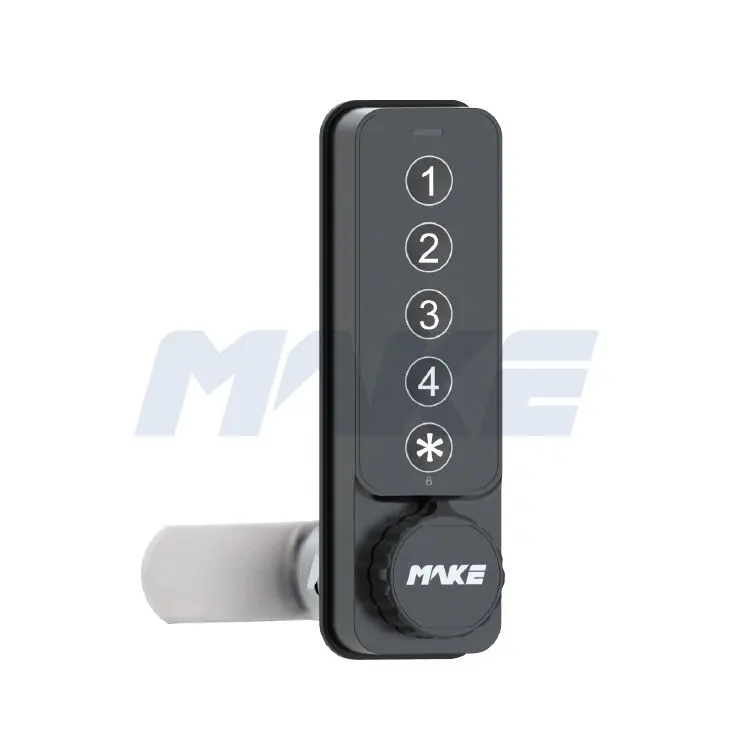
At the core of an electronic keypad lock is a digital authentication process. When a user inputs a code on the keypad, the lock's control unit verifies the code against stored credentials. If the code matches an authorized entry, the system sends a signal to release the locking mechanism.
Unlike mechanical locks that rely on physical alignment of pins and tumblers, electronic keypad locks depend on electronic signals and motorized or solenoid-driven components. This reduces mechanical wear and allows for more advanced features such as temporary access codes, audit trails, and remote management.
Most keypad locks are powered by batteries, ensuring they continue to operate even during power outages. Many designs also include fail-safe features such as low-battery warnings or backup access options.
Electronic keypad locks consist of several essential components working together to provide secure and reliable access control.
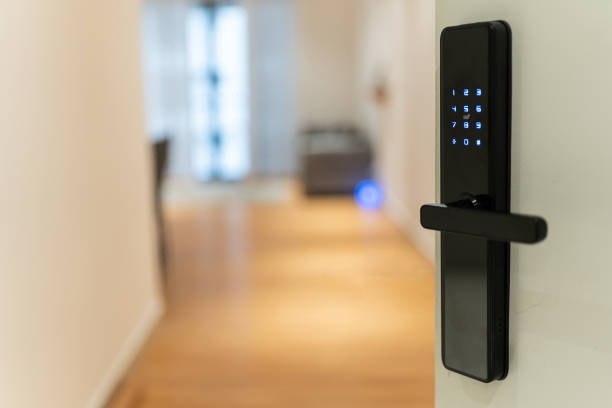
The keypad is the most visible and interactive part of the lock. It is where users enter their access codes. Keypads vary widely in design and technology, including:
The keypad is a defining feature of all keypad door locks and plays a crucial role in usability and accessibility.
The locking mechanism is responsible for physically securing the door. While electronically controlled, it often resembles traditional lock designs, such as:
Once the correct code is verified, the electronic system activates this mechanism to unlock the door. This component is fundamental to both keypad door locks and keyless entry door locks.
Often described as the “brain” of the lock, the control unit processes user input, verifies access codes, and controls the locking mechanism. It contains:
The reliability and security of an electronic keypad lock depend heavily on the quality and design of its control unit.
Most electronic keypad locks are powered by standard alkaline batteries, such as AA or AAA cells. Battery-powered operation allows installation without complex wiring and ensures continued use during power outages.
Many models include additional safety features, such as:
These features enhance reliability across all types of keypad locks for doors.
Advanced electronic keypad locks may include Wi-Fi, Bluetooth, or NFC connectivity, transforming them into full smart locks. These features enable:
While not essential for basic operation, connectivity significantly expands functionality and convenience.
Electronic keypad locks offer a wide range of advantages compared to traditional mechanical locks, making them increasingly popular across many sectors.
One of the most significant benefits of electronic keypad locks is the elimination of physical keys. Without keys, users no longer need to worry about:
This convenience is central to all keyless entry door locks and greatly simplifies daily access management.
Electronic keypad locks allow access codes to be easily changed, deleted, or added as needed. This flexibility improves security by enabling:
Many models also support anti-peep technology, temporary lockout after multiple incorrect attempts, and tamper alerts.
Unlike traditional locks, electronic keypad locks can assign unique codes to different users. This feature enables:
In commercial and institutional settings, this level of access control is especially valuable.
Most electronic keypad locks are designed for straightforward installation, often as a direct replacement for traditional door locks. In many cases, no specialized tools or wiring are required.
This ease of installation makes keypad door locks with handles an attractive option for both new constructions and retrofit projects.
With fewer mechanical components than traditional locks, electronic keypad locks often experience less physical wear. High-quality models are designed to withstand:
As a result, they offer long service life with minimal maintenance.
Electronic keypad locks are used across a wide range of environments due to their versatility and adaptability.
In homes and apartments, electronic keypad locks provide convenient access for families, guests, and service providers. Homeowners can create temporary codes for visitors and easily change codes when needed.
Offices benefit from the ability to manage employee access without issuing physical keys. Codes can be updated as staff roles change, improving overall security management.
Hotels and short-term rental properties rely heavily on electronic keypad locks to streamline guest access. Temporary codes can be issued for specific stays, eliminating the need for physical key exchange.
Hospitals and schools use keypad locks to restrict access to sensitive areas, ensuring compliance with safety and privacy requirements.
Warehouses and restricted zones use electronic keypad locks to protect valuable assets while maintaining efficient access control for authorized personnel.
While traditional mechanical locks remain common, electronic keypad locks offer several clear advantages in modern settings. They provide greater flexibility, improved security features, and better scalability for environments with multiple users.
However, the choice between electronic and mechanical locks depends on factors such as budget, security needs, and desired functionality.
As smart technology advances, electronic keypad locks are increasingly integrated into broader security and automation systems. Smart keypad locks can connect with:
This integration allows users to monitor and control access remotely, adding another layer of convenience and security.
Proper maintenance ensures reliable operation of electronic keypad locks. Routine practices include:
Most locks are designed to provide ample warning before batteries are depleted, minimizing the risk of lockouts.
The electronic keypad lock market continues to evolve, driven by advances in technology and changing user expectations. Key trends include:
As smart cities and connected buildings become more common, electronic keypad locks will play an even greater role in modern access control strategies.
Electronic keypad locks represent a significant step forward in access control technology. By combining keyless convenience, enhanced security, and flexible access management, they address many of the limitations of traditional mechanical locks.
From residential homes to large commercial facilities, these locks offer reliable, durable, and scalable security solutions suited to today's fast-paced environments. As technology continues to advance, electronic keypad locks will remain a cornerstone of modern security infrastructure, providing smarter, safer, and more efficient ways to protect people and property.