How Furniture Locks Improve Safety, Privacy, and Storage Protection
In today's security-conscious world, protecting personal belongings is no longer limited to safes and door locks. Furniture locks have become an essential component of both residential and commercial environments, offering a practical and discreet way to safeguard valuables, confidential documents, and sensitive materials. From office desks and filing cabinets to wardrobes, drawers, and storage units, these compact security devices play a crucial role in preventing unauthorized access while maintaining the aesthetics and functionality of furniture.
As interior design trends evolve and smart technology becomes increasingly integrated into everyday products, furniture locks have transformed from simple mechanical devices into sophisticated systems featuring digital authentication, advanced materials, and tamper-resistant engineering. Manufacturers are now focusing on producing locks that combine durability, ease of installation, and modern styling, ensuring they blend seamlessly with contemporary furniture designs.
This in-depth report explores the different types of furniture locks available today, their applications, advantages, technological innovations, and practical considerations when selecting the right locking system. Understanding these options can help homeowners, businesses, and facility managers make informed decisions about securing their storage spaces efficiently and effectively.
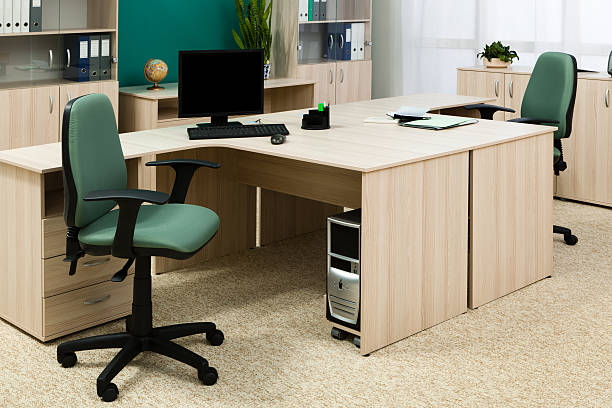
Furniture is often used to store items that are valuable, confidential, or potentially dangerous if accessed improperly. Examples include:
- Legal documents
- Cash or jewelry
- Electronic devices
- Medicines
- Office records
- Tools or equipment
- Personal identification documents
Without adequate locking mechanisms, these items may be vulnerable to theft, misuse, or accidental access by children or unauthorized personnel. As workplaces increasingly handle sensitive digital and paper records, secure storage solutions have become a necessity rather than a luxury.
In commercial environments such as offices, hospitals, laboratories, and educational institutions, furniture locks are frequently required to comply with security policies and data protection regulations. Even in homes, the demand for secure storage has increased due to rising awareness about privacy, safety, and organization.
Furniture locks come in a wide range of designs and operating mechanisms, each tailored to specific applications. Selecting the right type depends on factors such as furniture structure, security level required, ease of access, and aesthetic preference.
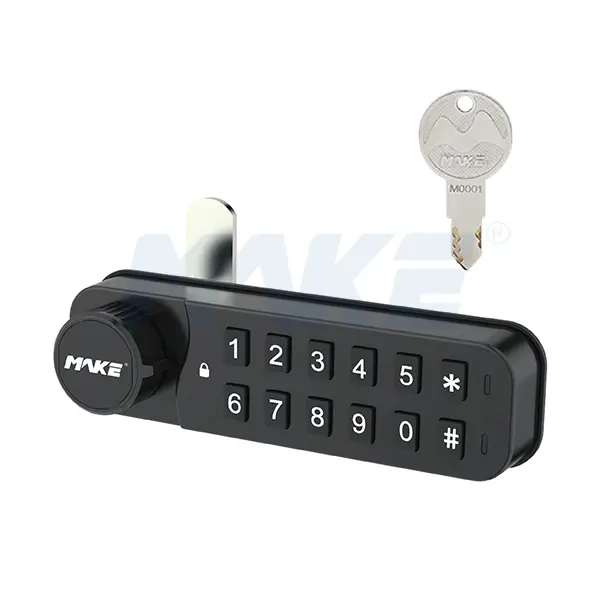
Cam locks are among the most commonly used furniture locking devices due to their simplicity, reliability, and versatility. They consist of a cylindrical body inserted into a pre-drilled hole and a rotating metal arm, known as a cam, that locks or unlocks when the key is turned.
Key Features:
- Compact design
- Easy installation
- Durable metal construction
- Cost-effective
- Compatible with many furniture types
Cam locks are widely used in cabinets, lockers, electrical panels, mailbox doors, and storage compartments. They function both as fasteners and security devices, holding furniture panels together while preventing unauthorized access.
Because they sit flush with the furniture surface, cam locks maintain a clean appearance and do not disrupt the design aesthetic. This makes them particularly suitable for modern interiors where minimalism and seamless finishes are preferred.
They are also popular for aluminum and wooden cabinets, as they can be easily integrated into different materials without compromising structural integrity. Many models offer keyed-alike or master-key options, allowing multiple locks to be operated with a single key—an advantage for offices or facilities with numerous storage units.
Drawer locks are specifically designed for sliding storage compartments and are considered one of the strongest and most secure types of furniture locks. These locks typically feature concealed bolts and reinforced internal mechanisms, making them highly resistant to tampering or forced entry.
Advantages:
- Hidden locking mechanisms
- Strong internal bolts
- High resistance to picking
- Enhanced durability
Because the locking bolt is usually concealed within the drawer structure, it is extremely difficult for unauthorized users to manipulate or bypass the lock. This makes drawer locks ideal for securing confidential files, cash drawers, tool storage, and personal valuables.
Modern drawer locks often incorporate advanced key systems or precision-cut keys that significantly reduce the risk of duplication. Some models also use anti-drill plates and hardened steel components to prevent physical attacks.
In addition to security, manufacturers design these locks to complement furniture aesthetics. Sleek finishes, polished surfaces, and compact profiles allow them to blend seamlessly with contemporary office and home décor.
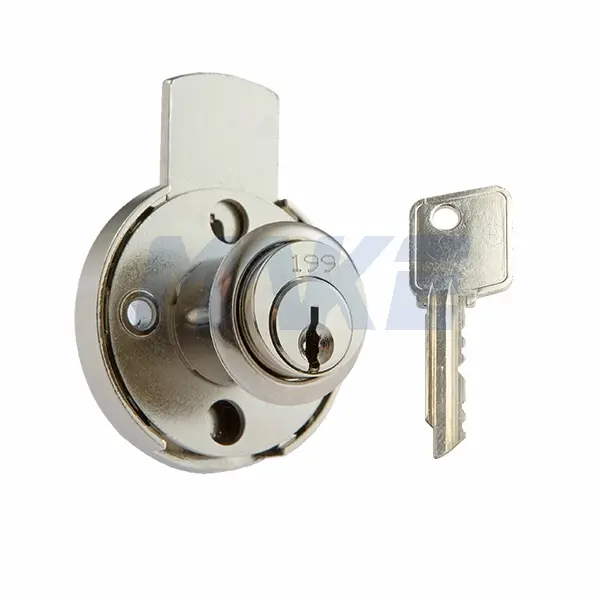
Internal furniture locks, commonly used in cupboards and wardrobes, are larger and more robust than standard drawer locks. They are designed to secure doors that open outward rather than sliding compartments.
These locks typically feature heavy-duty bolts that extend deeply into the door frame, providing strong resistance against forced entry. Their construction often includes reinforced housings and thicker locking bars, making them suitable for high-value storage applications.
Typical Uses:
- Wardrobes storing jewelry or documents
- Office cabinets with confidential files
- Display cabinets in retail environments
- Storage cupboards in laboratories
Cupboard locks are valued for their reliability and ability to handle frequent use without mechanical wear. Many models are engineered for long service life, even in environments where they are opened and closed multiple times daily.
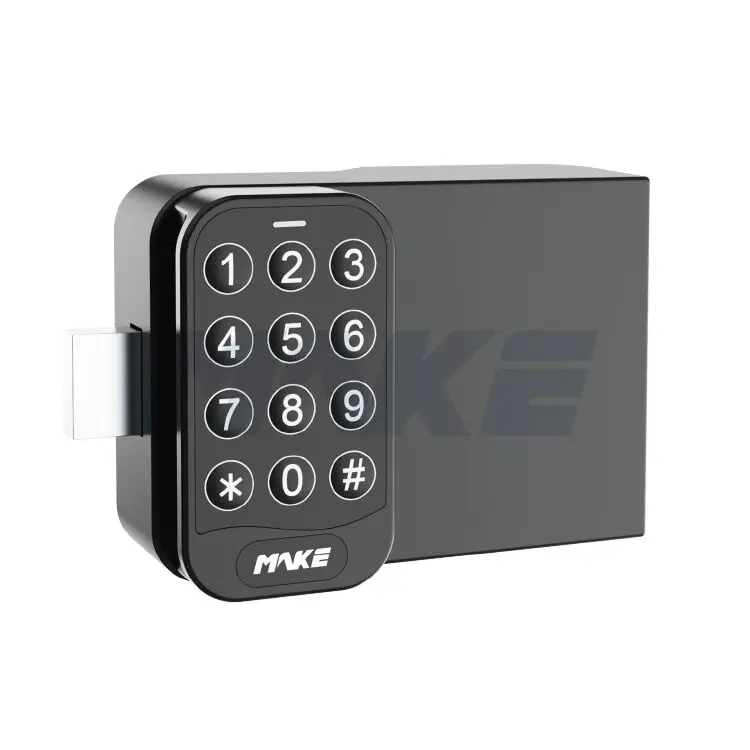
Technological advancements have introduced digital locking systems that eliminate the need for traditional keys. Digital furniture locks are rapidly gaining popularity due to their convenience, advanced security features, and modern appearance.
These locks may operate using:
- PIN codes
- Fingerprint recognition
- RFID cards
- Smartphone apps
- Bluetooth or wireless access
Benefits of Digital Locks:
- Keyless operation
- Customizable access codes
- Audit trails for usage tracking
- Enhanced security algorithms
- Sleek modern design
Fingerprint locks, for example, allow only registered users to open drawers or cabinets, making them ideal for offices, shared workspaces, or households with children. PIN-based locks provide flexible access control, enabling users to change passwords whenever needed.
Many digital models include backup access methods such as emergency override keys or power-bank connectors, ensuring users can still unlock furniture if batteries run out or passwords are forgotten.
The durability of a furniture lock largely depends on the materials used in its construction. High-quality locks are typically made from:
- Zinc alloy
- Stainless steel
- Brass
- Hardened steel components
These materials provide resistance to corrosion, wear, and physical force. Stainless steel, for example, is ideal for humid environments, while brass offers smooth operation and longevity.
Low-quality locks made from weak alloys or plastic components may fail prematurely or be easily compromised. Therefore, selecting locks manufactured with robust materials is essential for long-term reliability.
Proper installation is crucial to ensuring a furniture lock functions effectively. Even the highest-quality lock can fail if installed incorrectly.
Important installation factors include:
- Accurate hole alignment
- Proper screw tightening
- Correct bolt positioning
- Suitable mounting depth
- Compatibility with furniture thickness
Many locks are designed for DIY installation and come with detailed instructions and templates. However, for complex or high-security applications, professional installation is recommended to guarantee optimal performance.
Furniture locks are available in different security grades. Understanding these levels helps users choose the right lock for their needs.
Basic Security:
Suitable for light-duty use such as home drawers or cabinets storing non-valuable items.
Medium Security:
Ideal for offices, schools, and shared environments where moderate protection is required.
High Security:
Recommended for confidential documents, cash storage, laboratories, and sensitive materials.
Furniture locks offer multiple benefits beyond basic security:
They prevent unauthorized access to personal or confidential items.
Locks help keep children away from dangerous objects such as medicines, tools, or chemicals.
Lockable furniture allows individuals to maintain personal storage spaces in shared environments.
Visible locks act as deterrents, discouraging potential theft.
Many workplaces must secure records or materials to meet legal or regulatory requirements.
Modern furniture design emphasizes clean lines and minimal hardware visibility. Manufacturers now produce locks that complement contemporary styles rather than detract from them.
Design improvements include:
- Concealed installation
- Color-matched finishes
- Slim profiles
- Flush mounting
These features ensure that security does not compromise visual appeal. In high-end furniture, locks are often integrated seamlessly so they are nearly invisible when closed.
The rise of smart home and office systems has influenced furniture lock development. Many advanced models now connect to digital ecosystems, allowing remote control and monitoring.
Smart lock capabilities may include:
- Mobile app unlocking
- Remote access permissions
- Usage history tracking
- Temporary access codes
- Integration with smart home systems
These features are especially useful for shared offices, co-working spaces, and hospitality environments where access needs to be controlled dynamically.
To ensure long-lasting performance, furniture locks require minimal but regular maintenance. Recommended practices include:
- Cleaning keyholes periodically
- Lubricating internal mechanisms
- Checking screws and fasteners
- Replacing worn keys or batteries
Digital locks may require occasional firmware updates or battery replacement. Following manufacturer guidelines helps prevent malfunctions and extends service life.
Even well-designed locks can encounter issues. Understanding typical problems allows users to address them quickly.
Problem: Key stuck in lock
Solution: Apply lubricant and gently rotate the key.
Problem: Lock misalignment
Solution: Adjust mounting screws and realign bolt.
Problem: Digital lock not responding
Solution: Replace batteries or reset system.
Problem: Difficulty turning key
Solution: Clean debris and lubricate cylinder.
Prompt maintenance prevents small issues from becoming major failures.
The furniture lock industry continues to evolve as consumer expectations change. Key trends include:
- Increased demand for smart locks
- Growth in biometric security systems
- Higher focus on corrosion-resistant materials
- Expansion of modular locking systems
- Integration with IoT platforms
Manufacturers are investing heavily in research and development to create locks that combine security, durability, and user-friendly operation.
Selecting the ideal lock requires evaluating several factors:
- Purpose: What items will be secured?
- Security Level: How important is protection?
- Furniture Material: Wood, metal, or composite?
- Frequency of Use: Occasional or daily?
- Access Method: Key, code, or biometric?
- Budget: Balance cost with quality.
A thoughtful selection process ensures the lock meets both functional and aesthetic requirements.
Furniture locks used in outdoor or industrial environments must withstand harsh conditions such as moisture, dust, or temperature fluctuations. Weather-resistant coatings and sealed mechanisms help maintain performance under these circumstances.
In coastal or humid regions, corrosion-resistant materials are especially important. Stainless steel and treated alloys are preferred for these applications.
Reputable manufacturers test their locks for durability, torque resistance, corrosion resistance, and mechanical endurance. Certifications and quality standards provide assurance that locks meet performance benchmarks.
When purchasing locks, buyers should verify:
- Material specifications
- Testing certifications
- Warranty coverage
- Manufacturer reputation
Choosing certified products reduces the risk of premature failure.
The future of furniture locks lies in smart technology and advanced materials. Innovations under development include:
- AI-assisted access control
- Voice-activated unlocking
- Solar-powered digital locks
- Blockchain-secured authentication
- Ultra-compact high-strength alloys
As homes and workplaces become increasingly connected, furniture locks will likely integrate seamlessly into broader security ecosystems, offering centralized monitoring and control.
Furniture locks may be small components, but they play a vital role in protecting belongings, maintaining privacy, and ensuring safety. From traditional cam locks to advanced biometric systems, modern locking solutions provide a wide range of options tailored to different needs and environments.
Understanding the various types of furniture locks, their features, and their applications enables users to select the most suitable solution for their specific requirements. Proper installation, quality materials, and regular maintenance further enhance reliability and longevity.
As technology continues to advance, furniture locks will become smarter, stronger, and more versatile, reinforcing their position as an essential element of modern storage solutions. Whether for homes, offices, or specialized facilities, investing in the right furniture lock is a practical step toward improved security and peace of mind.