
Cabinet Locks
Cabinet Locks Product List
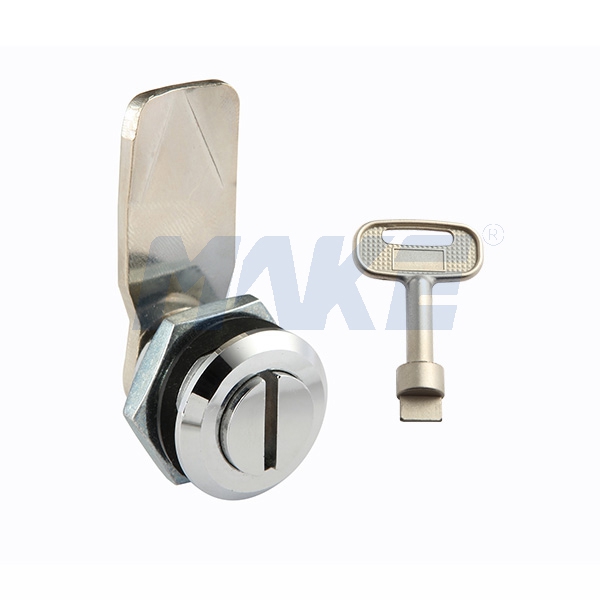
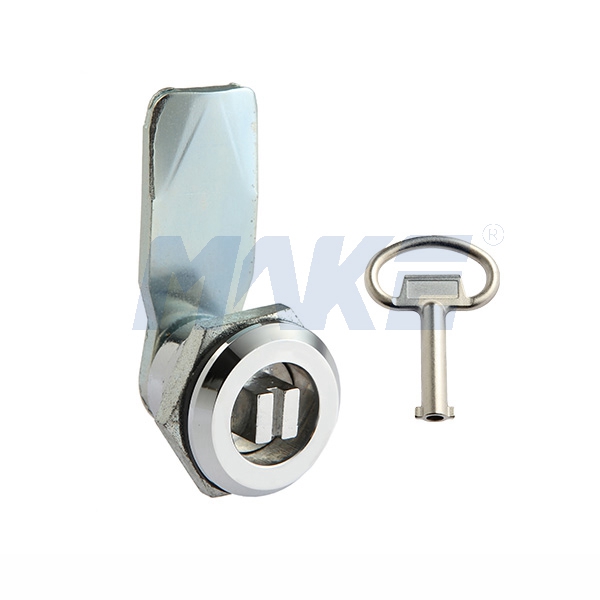
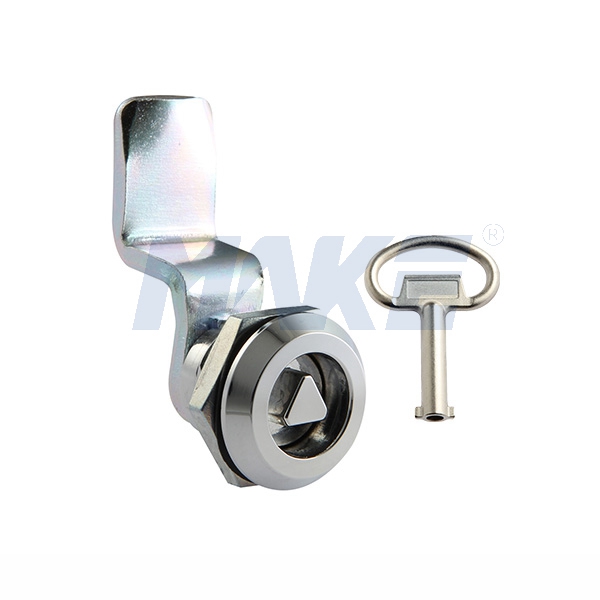
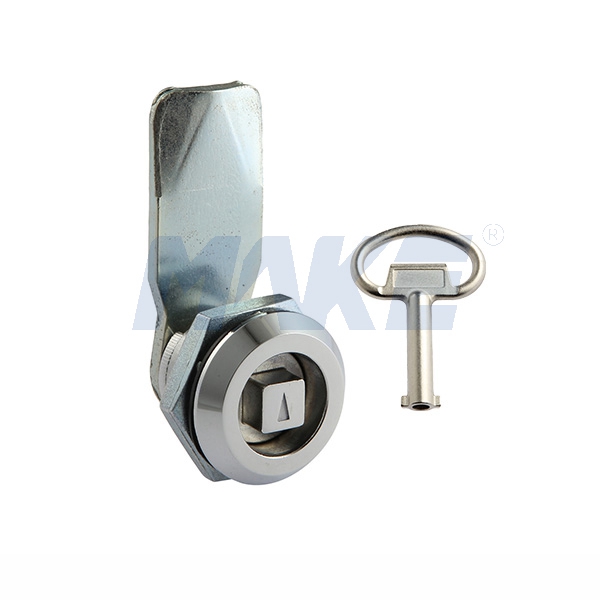
FAQs About Cabinet Locks
What are the main types of furniture locks and where are they used?
Cam locks, drawer locks, sliding door locks, combination locks and electronic smart locks— used across filing cabinets, drawers, wardrobes, lockers, office furniture, and more.
How do I choose the right furniture lock for my application?
Consider these five factors:
1. Panel thickness — measure the door/drawer panel; the lock housing length must match it.
2. Door type — swing door, sliding door, or drawer; each requires a different lock mechanism.
3. Security levelmedium (keyed, anti-pry) or high (combination/electronic).
4. Usage frequency — high-traffic cabinets (offices, schools) need wear-resistant, all-metal internals.
5. Keying requirement — do you need keyed-alike, keyed-different, or master-key systems?
What are the differences between keyed-alike, keyed-different and master-key systems for furniture locks?
1. Keyed-alike: One single key can open all selected locks. Ideal for lockers and multi-door cabinets where users manage many locks with only one key.
2. Keyed-different: Every lock comes with its own unique key; keys cannot open other locks. Suitable for private drawers or separate storage units where independent access is required.
3. Master-key system: Each lock has its own user key for daily use. A separate master key can open all locks in the group. This is widely used in offices, schools, and rental properties for facility management.
Which lock material should I choose — zinc alloy or stainless steel?
Material | Pros | Cons | Best For |
Zinc alloy | Good corrosion resistance, can be die-cast into complex shapes, affordable | Slightly softer | Indoor furniture, general cabinets |
Stainless steel | Excellent corrosion resistance, durable | Higher cost | Bathrooms, kitchens, coastal/humid areas |
Can I get a lock with a custom finish (e.g., black, brushed nickel, chrome)?
Yes. Most furniture locks support finishes including chrome, nickel, black, and brass. Minimum order quantities 3000pcs may apply for custom colors.
What tools do I need to install a furniture lock?
Basic installation typically requires: a drill with a hole saw / auger bit matching the lock size, a screwdriver, a tape measure, and a pencil. Some cam locks only need a wrench and a screwdriver.
How do I determine the correct hole size for a cam lock?
Check the lock's specified thread diameter (commonly 19mm) and drill a hole matching that. Install the lock body from the front, then screw the mounting nut from the back. The cam tongue is attached at the rear and adjusted to reach the catch point.
Are your locks tested for durability?
Yes. Our locks undergo cycle testing (commonly 30,000–50,000 opening cycles), salt spray testing for corrosion resistance, and torque tests. Test reports can be provided upon request.
Do electronic furniture locks need wiring?
No. Electronic smart furniture locks are typically battery-operated (AAA or CR batteries), requiring no external wiring. Battery life is usually over 12 months under normal use, with low-battery alerts.
What happens if the electronic lock's battery runs out?
Most electronic locks support override with a mechanical backup key included with the lock.