How IoT Locks Are Reshaping Modern Security and Access Management
The rapid evolution of the Internet of Things (IoT) is fundamentally changing how people live, work, and secure their environments. From smart homes and connected vehicles to intelligent factories and smart cities, IoT technology has become deeply embedded in modern life. Among these innovations, IoT locks—also known as smart or connected locks—have emerged as one of the most transformative solutions in the security and access control sector.
Traditional mechanical locks, while reliable for centuries, are increasingly unable to meet the demands of today’s digital, mobile, and interconnected world. Physical keys can be lost, stolen, duplicated, or mismanaged, creating security risks and operational inefficiencies. IoT locks address these challenges by combining electronic locking mechanisms with cloud connectivity, real-time data exchange, and intelligent access management.
As demand grows for contactless access, remote management, and enhanced security, IoT locks are gaining widespread adoption across residential, commercial, industrial, and public infrastructure applications. This article provides a comprehensive overview of IoT locks, examining how they work, the technologies behind them, their applications, benefits, challenges, market trends, and future development directions.
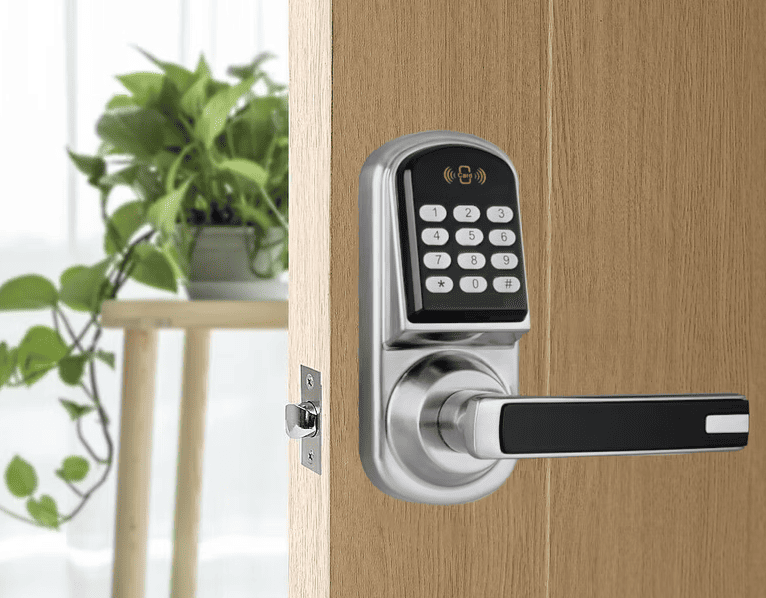
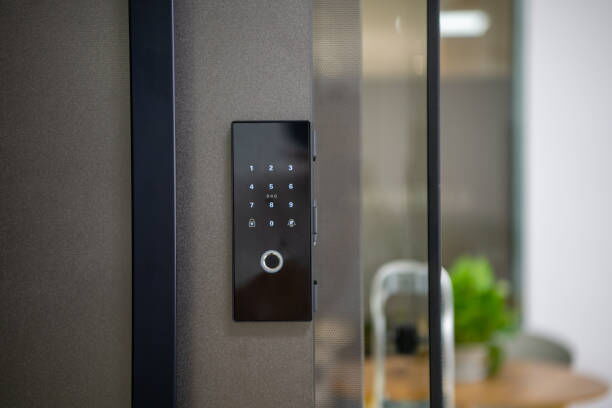
An IoT lock is an electronic locking system that connects to the internet or a local network, allowing users to control and monitor access digitally rather than relying solely on physical keys. These locks can be operated using smartphones, tablets, computers, or centralized management platforms.
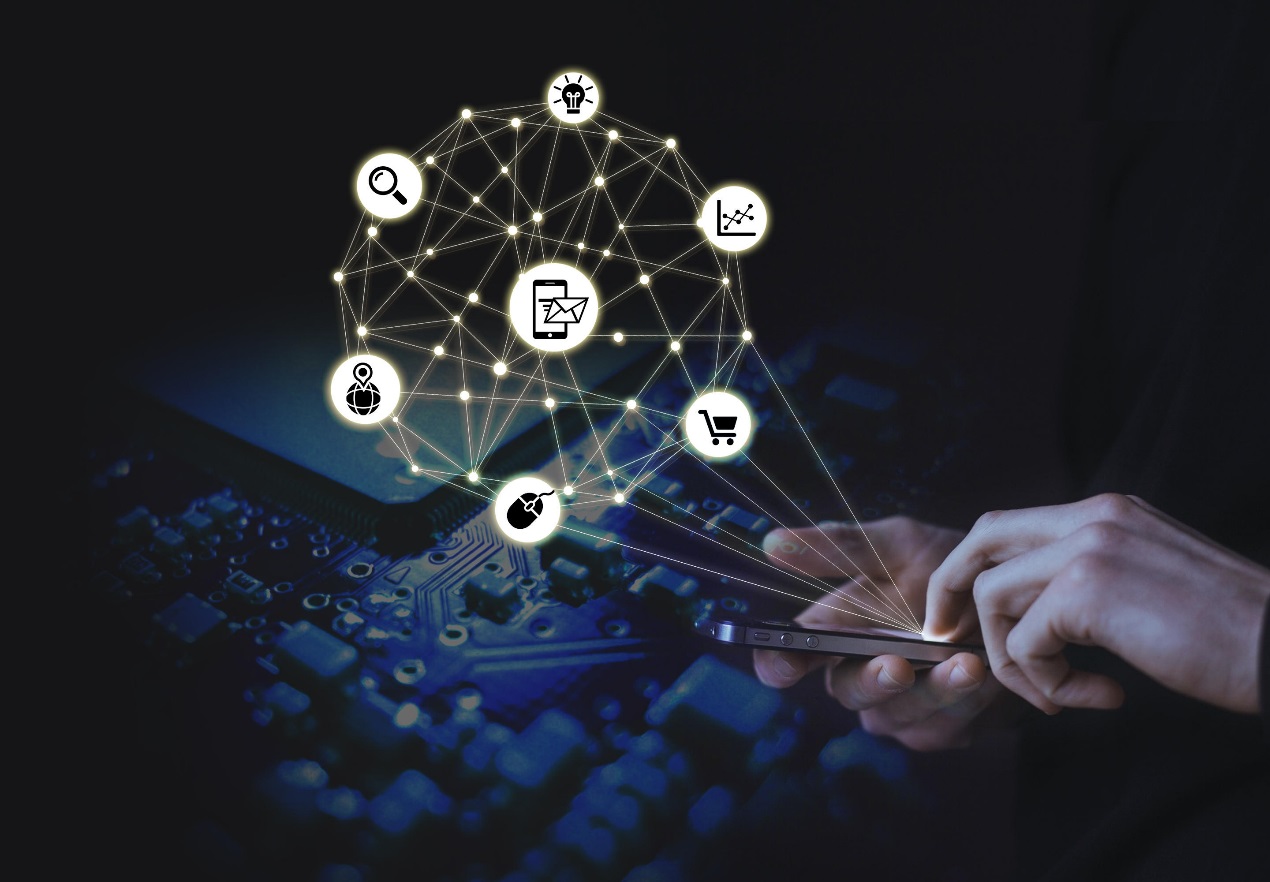
Unlike basic electronic locks, IoT locks are part of a broader connected ecosystem. They can communicate with other smart devices, cloud servers, and building management systems, enabling advanced functions such as real-time access monitoring, automated permissions, remote diagnostics, and usage analytics.
IoT locks typically support multiple access credentials, including mobile apps, PIN codes, RFID cards, biometric identification, and even voice commands when integrated with smart assistants. This flexibility allows them to adapt to a wide range of use cases, from single-family homes to large-scale enterprise deployments.
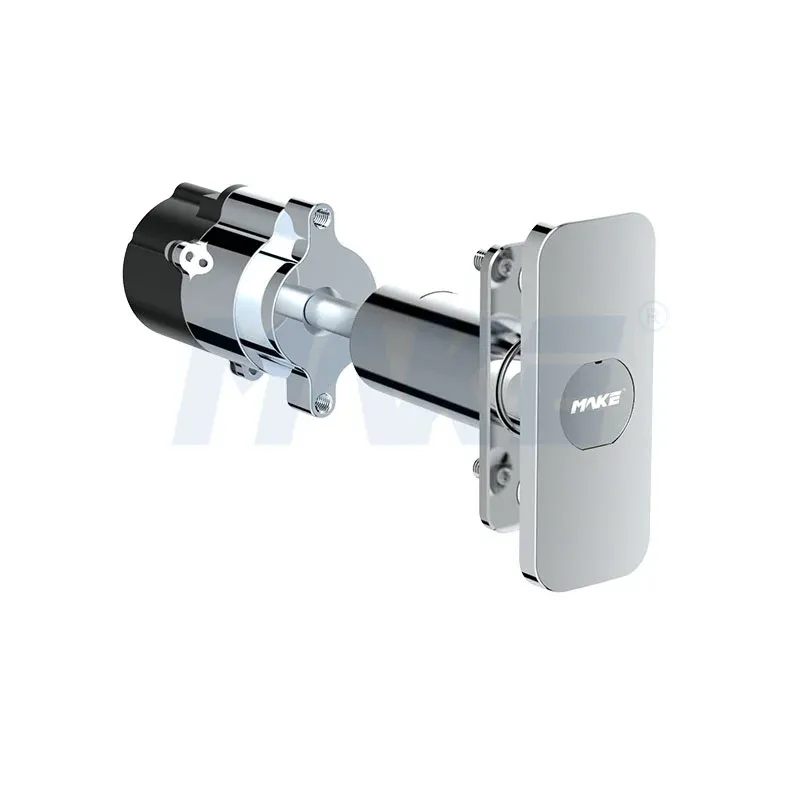
At the heart of an IoT lock is a combination of hardware components and software intelligence. The core hardware includes an electronic actuator, a locking mechanism, sensors, a microcontroller, and one or more wireless communication modules.
When a user attempts to unlock a door, the IoT lock first verifies the user’s credentials. This verification may occur locally within the device or through a cloud-based server, depending on the system architecture. Once authentication is successful, the microcontroller activates the motor or solenoid to disengage the lock.
Connectivity is a defining feature of IoT locks. Communication technologies such as Bluetooth, Wi-Fi, Zigbee, Z-Wave, NB-IoT, and LTE-M enable the lock to exchange data with smartphones, gateways, or cloud platforms. Short-range protocols are often used for residential locks, while long-range cellular or LPWAN solutions are preferred for commercial, industrial, and outdoor installations.
Cloud platforms play a crucial role by storing access logs, managing user permissions, sending alerts, and supporting over-the-air firmware updates. Many systems also incorporate edge computing capabilities, allowing basic functions to continue even if internet connectivity is temporarily lost.
Reliable communication is essential for IoT lock functionality. Manufacturers choose connectivity technologies based on range, power consumption, data requirements, and deployment environment. For example, Bluetooth offers low energy consumption and is ideal for short-range access, while Wi-Fi provides direct internet connectivity but consumes more power. Cellular technologies such as NB-IoT enable long-range communication with minimal infrastructure.
Authentication methods are central to IoT lock security. Modern systems often support multiple authentication options, allowing users to choose the most convenient and secure method. These may include PIN codes, smartphones, RFID cards, fingerprints, or facial recognition. In high-security environments, multi-factor authentication is increasingly common.
Cloud-based software platforms provide centralized management and analytics. They allow administrators to create, modify, and revoke access rights in real time, monitor usage patterns, and integrate locks with other security systems such as cameras and alarms.
Because IoT locks are connected devices, cybersecurity is a top priority. Leading manufacturers implement encryption, secure boot mechanisms, authenticated firmware updates, and intrusion detection systems to protect against hacking and unauthorized access.
In smart homes, IoT locks offer convenience and enhanced security. Homeowners can unlock doors remotely, grant temporary access to guests or service providers, and receive instant notifications when doors are opened. Integration with smart home ecosystems allows automation, such as locking doors when residents leave or activating alarms at night.
Businesses use IoT locks to manage employee access efficiently. Permissions can be adjusted instantly based on roles or schedules, eliminating the need to reissue keys. Access logs help organizations monitor activity and improve security compliance.
Hotels and vacation rentals are rapidly adopting IoT locks to support digital check-in and mobile room keys. Guests can access rooms using their smartphones, while operators benefit from reduced staffing costs and improved operational efficiency.
Factories, warehouses, data centers, and power facilities require strict access control. IoT locks help secure restricted areas, track personnel movement, and integrate with industrial safety and compliance systems.
IoT locks enable secure access to shared resources such as bike-sharing systems, parcel lockers, public facilities, and co-working spaces. Automated access reduces the need for on-site staff and supports scalable urban infrastructure.
One of the primary advantages of IoT locks is enhanced security. Digital credentials are harder to duplicate than physical keys, and real-time monitoring provides immediate awareness of suspicious activity.
Remote access management is another major benefit. Users can control locks from anywhere, making it easy to respond quickly to changing access needs. This is particularly valuable for property managers and organizations with multiple locations.
IoT locks also improve operational efficiency by reducing the administrative burden associated with physical keys. Automated access control lowers maintenance costs and minimizes human error.
Additionally, IoT locks generate valuable data. Access logs and usage analytics can inform security strategies, optimize facility utilization, and support regulatory compliance.
While IoT locks offer significant benefits in terms of convenience, security, and access management, they also face several important challenges that must be carefully addressed. Cybersecurity remains one of the most critical concerns. Because IoT locks are connected to networks and cloud platforms, they can become potential targets for hacking, data breaches, or unauthorized access if not properly protected. Manufacturers and system operators must continuously invest in secure hardware design, encrypted communication, regular firmware updates, and robust authentication mechanisms to reduce these risks.
Power management is another key limitation. Most IoT locks operate on batteries, which means they must balance performance, connectivity, and security features with energy efficiency. Frequent communication or advanced functions can increase power consumption, making low-energy protocols and intelligent power-saving designs essential for reliable long-term operation.
Connectivity reliability also affects IoT lock performance. Network disruptions or weak signals may limit remote access and real-time monitoring. To address this, many modern systems incorporate hybrid designs that allow basic locking and unlocking functions to continue offline.
Finally, standardization and interoperability remain ongoing challenges. Different manufacturers often use proprietary platforms and communication protocols, making integration across systems more complex. Although industry standards are gradually developing, achieving seamless compatibility across devices and ecosystems is still a work in progress.
The global IoT lock market is expanding rapidly, driven by urbanization, smart infrastructure development, and growing awareness of digital security. Key trends include increased use of biometrics, deeper integration with artificial intelligence, and growing demand from commercial and multi-family housing sectors.
Manufacturers are focusing on improving user experience, reducing costs, and enhancing reliability. Governments and enterprises are also investing in smart city projects that incorporate connected access control systems.
The future of IoT locks lies in greater intelligence and autonomy. Artificial intelligence will enable predictive security, identifying unusual access patterns and potential threats before incidents occur. Integration with blockchain and decentralized identity systems may further enhance security and trust.
As IoT ecosystems mature, IoT locks will become more seamlessly integrated with digital infrastructure, supporting smarter, safer, and more efficient environments.
IoT locks represent a significant evolution in access control technology. By combining connectivity, digital authentication, and intelligent software, they offer a powerful alternative to traditional locking systems.
While challenges such as cybersecurity and standardization remain, ongoing innovation and strong market demand are accelerating adoption. As smart homes, smart cities, and connected industries continue to grow, IoT locks will play an increasingly central role in shaping the future of security and access management.
In the connected world of tomorrow, IoT locks are not just replacing keys—they are redefining how access is controlled, monitored, and secured.