Keyless Locker Locks: Transforming Security and Convenience in Modern Shared Spaces
As modern facilities evolve, so do their security needs. Locker systems—once simple metal boxes with padlocks—are now essential components of gyms, offices, schools, logistics centers, and smart buildings. With the rise of hybrid work models, self-service environments, and 24/7 accessible facilities, the demand for enhanced locker security has never been higher. Traditional keyed solutions fall short in environments where keys are frequently lost, damaged, or copied. This has sparked widespread adoption of keyless locker locks, a new generation of solutions that rely on digital, mechanical, or smart authentication rather than physical keys.
Keyless locker locks increase security, reduce operational headaches, and provide a smooth, intuitive experience for both users and staff. They come in various forms—mechanical combination locks, battery-powered electronic locks, and advanced cloud-connected smart locks—each serving different purposes and budgets. Choosing the right system requires an understanding of long-term operations, user volume, maintenance expectations, and integration needs.
This extended news feature explores how keyless locker locks work, the technology behind them, the types available, their advantages, and what decision-makers should consider before selecting a system. With more facilities turning to digital transformation, the importance of selecting the right locker lock has become a strategic investment that can significantly impact user satisfaction and logistical efficiency.
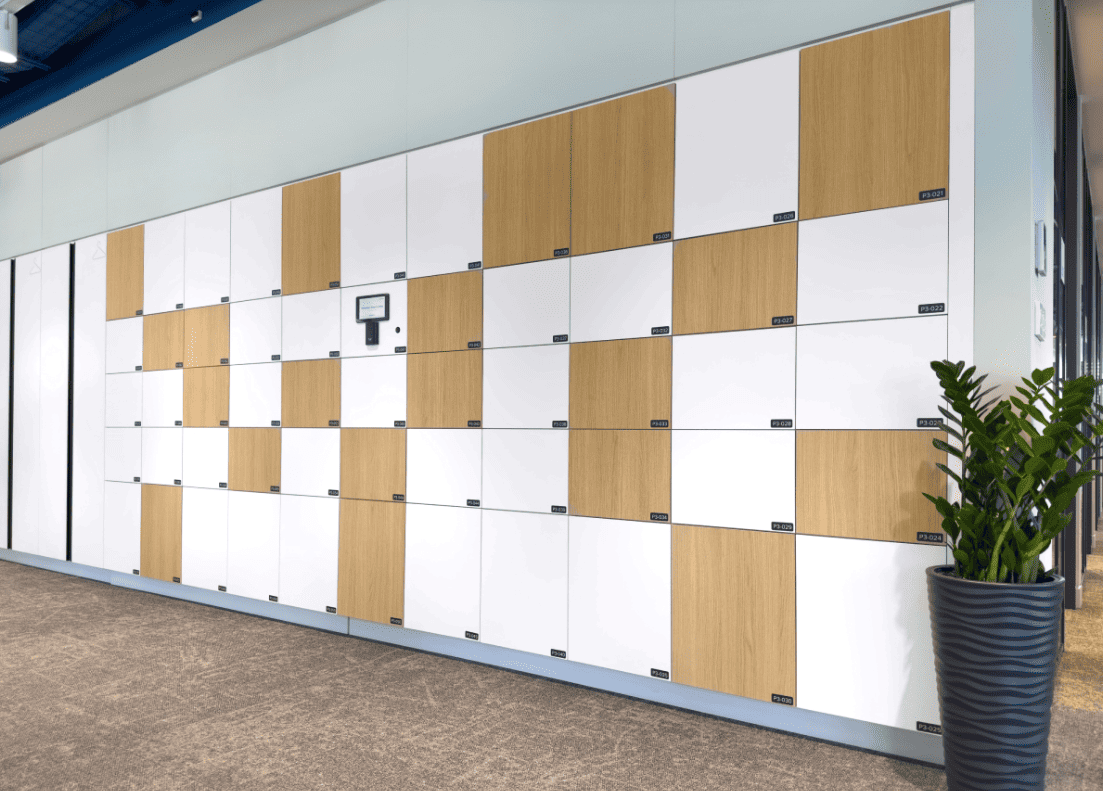
Over the past decade, several macro trends have accelerated the shift toward keyless locking systems:
• Growth of hybrid and flexible work environments
Companies have embraced flexible desk and storage solutions, requiring locker systems that support daily turnover and temporary access.
• Increase in gym and fitness facility memberships
Fitness centers rely on efficient locker access to handle high user volume throughout the day.
• Expanding self-service retail and package pickup
Automated parcel lockers have become common, using smart locks to support 24/7 access.
• Safety concerns related to physical keys
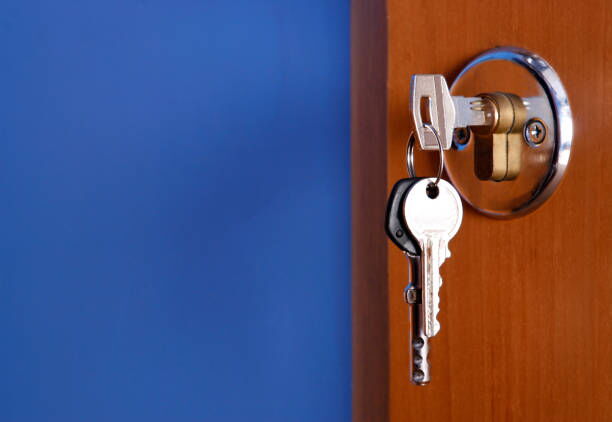
Keys can be easily copied, lost, or stolen—leading to increased administrative tasks and security risks.
• Demand for automation and integration
Facilities are integrating physical security with digital access systems, prompting them to replace outdated mechanical locks.
In this context, keyless locker locks offer a versatile and future-proof solution. From simple mechanical codes to advanced access control integrations, they are transforming how organizations manage personal storage at scale.
Keyless locker systems fall into three main categories: mechanical combination locks, electronic locker locks, and smart locker locks. Each category fits specific facility needs and varies in cost, complexity, and level of automation.
Below, we explore each type in depth.
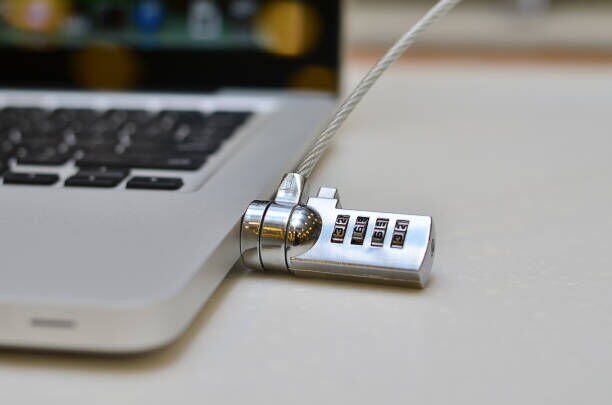
Mechanical combination locks offer an elegant blend of simplicity and value. Despite being non-digital, they remain one of the most widely used options for locker systems.
Users open these locks by entering a rotating or push-button combination. Some models allow temporary codes, while others require administrators to reset the lock manually.
• Zero Maintenance Requirements
Perhaps the most attractive feature is the absolute lack of batteries or wiring. The internal mechanisms are built to last years without servicing, making them a practical option for high-use areas.
• Long-Term Durability
Mechanical locks are designed from hardened metals and robust internal springs. Their resistance to rough handling and environmental wear makes them ideal for schools and public facilities.
• Cost-Effective
Compared to digital systems, mechanical combination locks are significantly more affordable. For large installations—such as hundreds or thousands of lockers—this can dramatically lower initial investment costs.
• Non-Destructive Override Access
When users forget their combination or leave without clearing the lock, administrators can open the lock with a special override key or reset tool. This avoids damaging or replacing the lock, saving valuable time.
• Simple Learning Curve
Users do not need training or technical knowledge to operate mechanical combination locks, ensuring smooth, fast locker turnover.
Best Applications
Schools and universities
Public gyms
Government buildings
Seasonal facilities (e.g., swimming pools)
Budget-limited environments
Mechanical locks deliver reliability without technology, making them a staple in the locker security world.
Electronic locker locks represent a middle ground between mechanical simplicity and smart automation. They’re popular for facilities wanting more flexibility, more access options, and improved management control—without committing to a fully networked system.
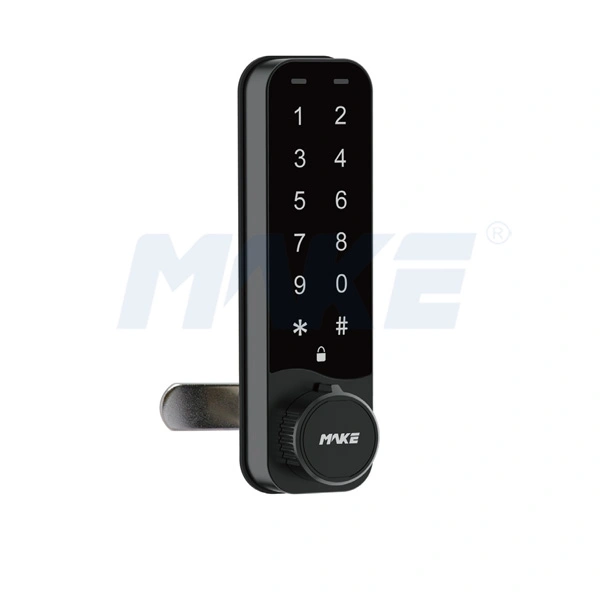
These locks run on internal batteries and offer user authentication through electronic methods such as PIN codes, RFID cards, or mobile credentials.
Key Advantages
• Battery-Powered Convenience
Electronic locks require no hardwiring, simplifying installation. Retrofitting existing lockers is easy and cost-efficient, even in older buildings.
• Multiple Access Technologies
Different versions support:
Numeric keypad codes
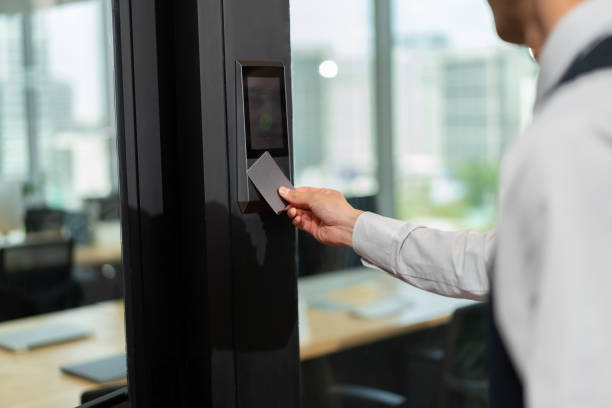
RFID cards or fobs
NFC tags
Wristbands for gyms and spas
Mobile credentials via Bluetooth
QR-code based guest access
Facilities can select the method that aligns with their security infrastructure or user needs.
• Flexible Usage Modes
These locks commonly offer two operating models:
Assigned Use Mode
Locker is assigned to a specific individual.
Ideal for employees, long-term users, students.
Shared Use Mode (Day Use)
Users occupy any available locker.
After use, the locker resets and becomes available again.
Perfect for gyms, swimming pools, or coworking spaces.
• Efficient Administrative Controls
Electronic locks can be:
Programmed using an electronic manager key
Controlled via handheld devices
Synced with tablets or management software
These tools streamline day-to-day operations and reduce the time required for managing locker turnover.
• Security Upgrades
Electronic locks often include safety tools such as:
Incorrect code lockouts
Low-battery warnings
Tamper alerts
Short-term audit trails
Best Applications
Corporate offices
Fitness and wellness centers
Hospitals and clinics
Hotels and spas
Student housing
Electronic locks strike a balance between cost, convenience, and modern functionality.
Smart locks are the most advanced and customizable option in today’s locker security market. They combine digital control, real-time monitoring, cloud integration, and remote operation.
Smart locks are connected to a central system—either through Wi-Fi, wired networks, Bluetooth mesh, or proprietary communication hubs. Administrators control them through management software or cloud dashboards.
What Sets Smart Locks Apart
• Hardwired or Wire-Free Options
Facilities can choose:
Hardwired power for continuous operation
Battery-powered wireless locks for easy installation
Hybrid systems combining both
This flexibility allows organizations to optimize for budget, performance, and layout.
• System Integration
Smart locks seamlessly integrate with:
Access control platforms
Facility management systems
Employee directories
Security monitoring systems
Student databases
E-commerce delivery platforms (for parcel lockers)
This integration transforms locker usage from a simple storage function to a fully connected, automated experience.
• Real-Time Audit Trails
Administrators gain access to detailed logs showing:
Who accessed each locker
Time of access
Unsuccessful attempts
Tampering events
Usage frequency
These analytics help improve security and manage traffic patterns.
• Remote Management
Cloud-based systems enable administrators to:
Lock or unlock lockers remotely
Reset forgotten credentials
Assign users instantly
Revoke access in seconds
Monitor battery levels
Receive alerts for service issues
Remote management is indispensable for multi-site or high-volume facilities.
• Workflow Automation
Smart locker systems can support:
Contactless package delivery and pickup
E-commerce fulfillment
Employee equipment distribution
Device lending
Click-and-collect retail programs
This automation reduces staffing needs and improves user experience.
Best Applications
Corporate campuses
Warehouses and logistics centers
High-end gyms
Shopping malls
Universities
Transport hubs
Smart buildings
Smart locker locks redefine efficiency and are rapidly becoming a central element of modern facility management.
Selecting the right lock is a strategic decision. Below are the essential considerations for ensuring long-term performance and operational success.
The ideal lock must withstand frequent use, prevent unauthorized access, and resist tampering. Consider:
Material strength
Locking mechanism reliability
Protection against forced entry
Audit capabilities (for digital systems)
Higher-security environments may require electronic or smart locks with advanced access verification.
Evaluate how much time staff will spend managing lockers.
Mechanical locks require manual tracking and user oversight.
Electronic locks reduce onboarding/offboarding time.
Smart locks automate almost everything.
Facilities with high turnover benefit greatly from automated systems.
User experience is critical. A lock should:
Be easy to operate
Work with simple instructions
Require minimal troubleshooting
Offer accessibility features such as large buttons or tactile interfaces
Complicated systems can lead to frustration and support requests.
If your organization plans to grow, consider locks that:
Expand across multiple locations
Integrate into centralized dashboards
Support future integration with upgraded access control
Allow adding more lockers without replacing existing ones
Smart locks offer the most scalability.
Before selecting a system, determine whether it needs to integrate with:
Employee ID cards
Access control systems
Time and attendance software
HR or student databases
Security platforms
Seamless integration reduces operational complexity.
Temperature, humidity, and location matter:
Outdoor or humid environments require weather-resistant materials.
Pools, spas, and gyms benefit from corrosion-resistant designs.
Hardwired systems require protected cable routing.
Locker locks must match their environment to ensure longevity.
Costs vary widely:
Mechanical locks → lowest upfront cost
Electronic locks → moderate cost
Smart locks → highest cost but lowest labor demand
Always evaluate total cost of ownership, not just purchase price.
Keyless locker locks are transforming how organizations manage storage security and user access. With mechanical, electronic, and smart options available, facilities can now choose systems tailored exactly to their needs—whether prioritizing simplicity, hybrid flexibility, or full digital automation.
Mechanical combination locks deliver unbeatable durability and cost efficiency. Electronic locks introduce modern access methods and improved management without complex system integration. Smart locks offer cutting-edge innovation through remote management, audit trails, and integration with advanced security ecosystems.
As people expect faster, safer, and more convenient experiences in shared spaces, investing in the right locker lock system enhances operational efficiency, strengthens security, and boosts user satisfaction. Whether managing a single gym or a multi-location enterprise, keyless locker locks are no longer a nice-to-have—they are an essential component of modern facility management.