Mechanical Vending Machine Lock: Reliable Security Solution for Automated Retail Equipment
As automated retail and self-service technologies continue to expand worldwide, the security of vending machines and unattended terminals has become a critical concern for manufacturers, operators, and service providers. Vending machines today handle not only cash but also digital payment systems, inventory control modules, and advanced electronics, making them valuable assets that require reliable protection. One of the most important components ensuring this protection is the mechanical vending machine lock.
Mechanical vending machine locks are widely used across vending machines, intelligent terminals, metal cabinets, self-service kiosks, and various industrial enclosures. These locks are designed to offer durability, tamper resistance, and convenient operation while maintaining cost-effectiveness compared to electronic locking systems. With robust materials, high key combinations, and specialized designs, modern mechanical vending machine locks provide an ideal balance between security and practicality.
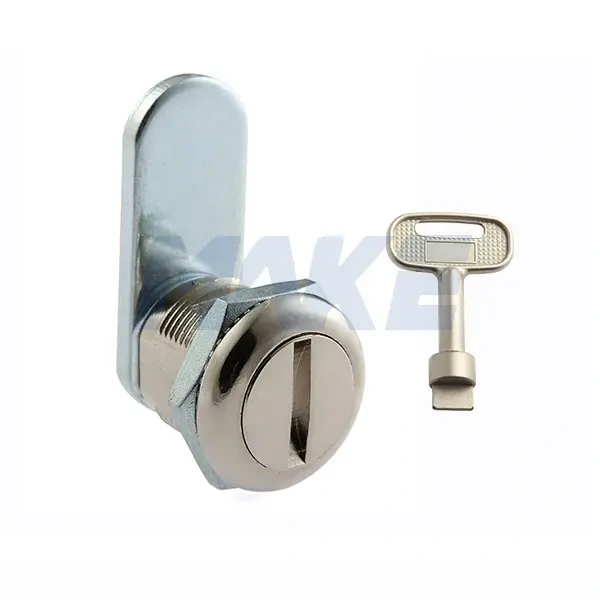
A newly developed mechanical vending machine lock featuring a zinc alloy body, bright chrome or bright nickel finish, and over 10,000 key combinations is attracting attention in the automated equipment industry. Designed with a 6 mm ultra-thin surface, a 90-degree T-handle release mechanism, and a tensile force of up to 2000 N·m, this lock offers strong mechanical security while maintaining ease of operation for technicians and operators.
This article explores the design, structure, working principle, advantages, applications, and industry significance of mechanical vending machine locks, highlighting how they continue to play a vital role in safeguarding automated retail equipment.
The global vending machine market has been expanding rapidly due to the increasing popularity of automated retail. Modern vending machines are now capable of selling a wide range of products, including snacks, beverages, electronics accessories, personal care items, and even fresh food. At the same time, self-service terminals such as ticket machines, parcel lockers, payment kiosks, and smart cabinets are becoming more common in public spaces.
With this growth comes a greater need for reliable security solutions. Vending machines often operate in public locations such as airports, shopping centers, subway stations, hospitals, and schools, where they may be exposed to vandalism or unauthorized access. If the machine is compromised, operators may face financial losses, equipment damage, and operational disruptions.
Mechanical locks remain one of the most trusted security methods for vending machines due to their simplicity, reliability, and resistance to electronic failure. Unlike digital systems that may require power or software maintenance, mechanical locks operate independently and provide consistent performance over long periods.
The mechanical vending machine lock discussed in this industry update is designed specifically for use in automated equipment environments where reliability and security are essential.
- Product Name: Mechanical Vending Machine Lock
- Material: Zinc alloy
- Surface Finish: Bright chrome or bright nickel
- Key Combination: Over 10,000 combinations
- Applications: Vending machines, intelligent terminals, metal cabinets, control boxes, and self-service kiosks
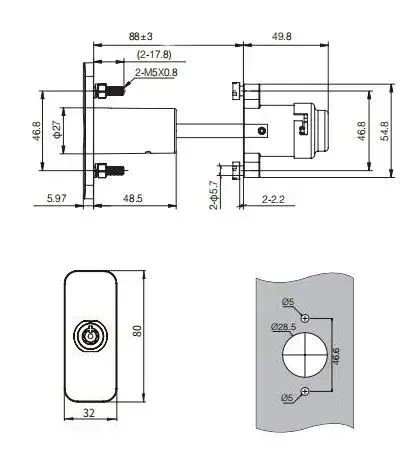
The lock features a slim 6 mm surface thickness, allowing it to be installed on equipment with limited panel space. This compact design ensures compatibility with modern vending machine panels and cabinet doors without compromising structural strength.
When the key is inserted and rotated 90 degrees, the integrated T-handle automatically pops out. This mechanism allows operators to easily open the door while maintaining a secure locking structure.
Locking the device is simple: the operator pushes the handle back into place. The design ensures smooth and reliable locking while enabling quick service access.
The lock's ergonomic design makes it easy to operate during routine maintenance and product refilling.
With a tensile force reaching 2000 N·m, the lock offers strong resistance against forced entry and mechanical damage.
One of the key reasons mechanical vending machine locks remain popular is their robust structural design and durable materials.
The lock body is made from zinc alloy, a material known for its strength, corrosion resistance, and casting flexibility. Zinc alloy is widely used in security hardware due to its ability to withstand mechanical stress while maintaining precise structural integrity.
Advantages of zinc alloy include:
- High strength and durability
- Resistance to rust and corrosion
- Excellent casting performance for complex shapes
- Long service life in indoor and semi-outdoor environments
Surface finishing is another important factor affecting the durability and appearance of vending machine locks.
The lock is available in bright chrome and bright nickel finishes, which provide several benefits:
- Enhanced corrosion resistance
- Improved scratch resistance
- Smooth and attractive appearance
- Protection against environmental exposure
These finishes ensure that the lock maintains its appearance and functionality even after years of operation.
Security is a top priority for vending machine operators, especially when machines contain valuable products or cash. To address this concern, the lock features more than 10,000 key combinations.
A large number of key combinations significantly reduces the risk of unauthorized access. Each lock can be assigned a unique key pattern, ensuring that only authorized personnel can open specific machines.
Advantages include:
- Improved security against key duplication
- Reduced risk of master key misuse
- Better management of large vending machine networks
- Enhanced control for maintenance teams
For operators managing hundreds or thousands of vending machines, this level of key variation is essential for maintaining operational security.
One of the standout features of this mechanical vending machine lock is its integrated T-handle release mechanism.
How It Works
The operator inserts the key into the lock cylinder.
- The key is rotated 90 degrees.
- The T-handle automatically pops out.
- The operator pulls the handle to open the cabinet door.
This design provides several advantages:
- Quick and convenient access for service personnel
- Reduced risk of accidental opening
- Enhanced mechanical leverage when opening heavy cabinet doors
Push-to-Lock Function
After maintenance or restocking, the operator simply pushes the handle back into place. The mechanism automatically locks the door, ensuring secure closure without requiring complex steps.
The push-to-lock feature is particularly valuable for technicians who need to service multiple machines quickly.
Mechanical strength is a crucial aspect of any vending machine lock. The ability to resist forced entry protects the machine's contents and prevents costly damage.
The lock is designed to withstand tensile forces up to 2000 N·m, providing strong resistance against:
- Forced pulling
- Impact damage
- Vandalism attempts
- Unauthorized mechanical manipulation
This high tensile strength ensures that the lock remains secure even in high-traffic environments where vending machines may be exposed to rough handling.
Another advantage of the mechanical vending machine lock is its simple installation process.
The compact design allows it to be easily installed on various types of cabinet doors and panels without requiring complex tools or modifications. Standard mounting hardware ensures compatibility with most vending machine models.
Installation benefits include:
- Quick setup for manufacturers
- Easy replacement during maintenance
- Reduced installation costs
- Compatibility with different cabinet structures
Because of these features, the lock is widely adopted by vending machine manufacturers, cabinet fabricators, and equipment suppliers.
While originally designed for vending machines, mechanical vending machine locks are now widely used across many industries.
The primary application remains vending machines, including:
- Beverage vending machines
- Snack vending machines
- Coffee vending machines
- Smart retail vending machines
These machines require reliable locks to protect products, cash, and electronic components.
Self-service terminals are becoming increasingly common in transportation hubs, shopping centers, and public service areas.
Applications include:
- Ticket machines
- Self-payment kiosks
- Information terminals
- Parcel locker systems
Mechanical locks provide a dependable solution for securing these devices.
Industrial equipment often requires secure cabinets to protect electrical components and sensitive devices.
Mechanical vending machine locks are used in:
- Control cabinets
- Electrical enclosures
- Tool cabinets
- Data equipment boxes
Their durability and simple design make them ideal for these applications.
Many modern smart locker systems combine digital control with mechanical backup locks to ensure security even in case of electronic failure.
Mechanical locks provide an additional layer of protection for:
- Parcel delivery lockers
- storage lockers in public spaces
- shared workspace cabinets
While electronic locking systems are gaining popularity, mechanical vending machine locks still offer several unique advantages.
Reliability
Mechanical locks operate without power or electronic components, making them highly reliable even in harsh environments.
Lower Cost
Compared to electronic locks, mechanical locks are significantly more affordable, making them suitable for large-scale vending machine networks.
Minimal Maintenance
Mechanical locks require very little maintenance. Occasional lubrication and cleaning are usually sufficient to ensure long-term performance.
Resistance to Cyber Threats
Unlike electronic systems, mechanical locks cannot be hacked or affected by software vulnerabilities.
Because of these benefits, many vending machine operators prefer mechanical locks as their primary security solution.
As automated retail continues to evolve, vending machines and self-service equipment are becoming more advanced. However, even the most sophisticated machines still rely on mechanical security components.
Future trends include:
- Integration with smart access control systems
- Combination of mechanical and electronic locking solutions
- Improved anti-tamper designs
- Enhanced durability for outdoor environments
Mechanical vending machine locks will continue to play a critical role in ensuring the security of automated equipment worldwide.
Mechanical vending machine locks remain an essential component in the automated retail industry. With durable materials, advanced key combination systems, and user-friendly operation, these locks provide a reliable and cost-effective solution for protecting vending machines and self-service equipment.
The latest mechanical vending machine lock design featuring zinc alloy construction, bright chrome or nickel finish, over 10,000 key combinations, a 6 mm ultra-thin surface, and a 90-degree T-handle mechanism demonstrates how traditional mechanical technology continues to evolve to meet modern security needs.
With a tensile strength of up to 2000 N·m and simple push-to-lock operation, this lock offers both strong protection and convenient access for maintenance personnel. Its wide range of applications—from vending machines and intelligent terminals to metal cabinets and smart lockers—highlights its versatility and importance across multiple industries.
As automated retail and smart infrastructure continue to grow, reliable security hardware like mechanical vending machine locks will remain a fundamental part of protecting valuable equipment and ensuring smooth operations in public and commercial environments.