Cam Latch Locks: The Ultimate Guide to Security and Versatility
In today’s world, securing cabinets, enclosures, and equipment is more than just a matter of convenience—it’s a necessity. While some basic access points can be secured with simple latches, many industries, offices, and homeowners require a more robust solution. Enter the cam latch lock. Cam latch locks are widely recognized for their strength, reliability, and adaptability across various applications. Whether it’s for protecting sensitive equipment, locking up storage units, or maintaining the aesthetic appeal of furniture, cam latch locks offer a simple yet highly effective security solution.
These locking mechanisms are compact, often hidden from view, and designed to blend seamlessly with the enclosures they secure. Despite their simplicity, they provide excellent security, resistance to environmental factors, and ease of use, making them a go-to solution for modern enclosures.
A cam latch lock is a cylindrical locking mechanism that uses a rotating cam to secure access points. At its core, it consists of two main components: the lock body and the cam. When the lock is actuated—usually via a key, combination, or electronic mechanism—the cam rotates to either secure or release the enclosure.
Cam latch locks are versatile and are commonly used in cabinets, drawers, electrical enclosures, industrial panels, and even automotive applications. Their compact size means that they can be installed without disrupting the outward appearance of the equipment, which is a key consideration in consumer-facing applications. Most cam latch locks are designed to be unobtrusive, giving users security without compromising design aesthetics.
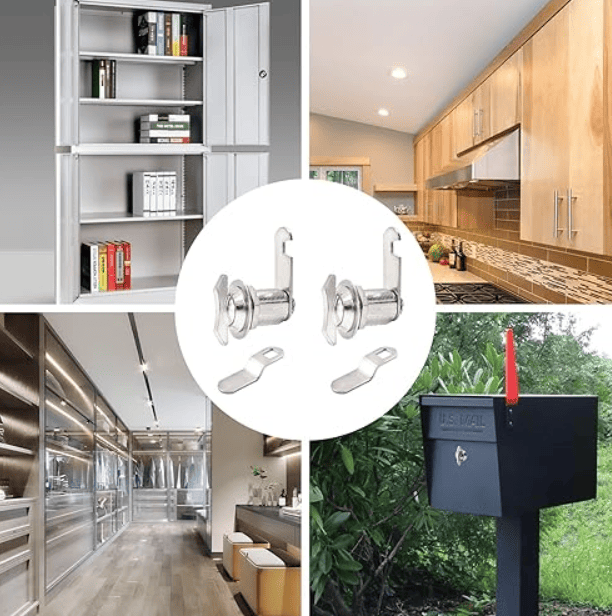
Cam latch locks provide multiple advantages that make them an appealing choice for both industrial and residential applications.
One of the most attractive features of cam latch locks is their straightforward installation process. Unlike more complex locking mechanisms that may require specialized tools or technical expertise, cam latch locks can be installed quickly and easily. Most models require just a simple cutout or mounting hole, and the lock is secured with minimal effort.
This accessibility makes cam latch locks ideal for both professionals and DIY enthusiasts. Even users with little to no technical experience can install them effectively, reducing labor costs and minimizing downtime during setup.
Cam latch locks are designed with cylindrical and rotating technology, which gives them a high level of resistance to environmental factors. Dust, dirt, and moisture are less likely to compromise the mechanism, ensuring reliable operation even in challenging conditions.
This makes cam latch locks particularly suitable for outdoor furniture, electrical enclosures, marine applications, and industrial equipment. Because they are engineered to withstand exposure to water and dust, these locks help prevent damage to the enclosures they secure. In environments prone to extreme weather or high humidity, a cam latch lock ensures that security is not compromised.
Security is the primary reason many users invest in cam latch locks. They are designed to resist picking, tampering, and forced entry. Cam locks can be manufactured from robust materials such as stainless steel, zinc alloys, or hardened steel, which makes them highly durable and resistant to wear and tear.
Moreover, cam latch locks come in a wide range of configurations. For example, some are simple quarter-turn locks suitable for low-security applications, while others are heavy-duty or electronic versions for high-security environments. Key types can vary from standard mechanical keys to electronic access systems, allowing users to tailor security levels according to specific needs.
Unlike traditional locks, cam latch locks come in a broad range of styles, sizes, and materials. Common finishes include chrome, zinc, black powder coating, stainless steel, and more. This versatility ensures that the lock can complement the aesthetics of the furniture or equipment while still providing reliable performance.
Large cam latch locks are typically used for high-security industrial applications, whereas smaller models are ideal for office cabinets, drawers, or other compact spaces. Beyond aesthetics, different materials and designs also affect durability, corrosion resistance, and ease of operation, enabling users to select the best option for their specific application.
Cam latch locks are highly versatile and are used across multiple industries. Some common applications include:
Furniture: Wooden cabinets, drawers, desks, and storage units.
Industrial: Electrical enclosures, control panels, and machinery access points.
Medical and Office Equipment: Lockers, filing cabinets, and specialized equipment.
Automotive: Vehicle panels and access points for commercial or utility vehicles.
Vending and Gaming Machines: Cash dispensers, payphones, and coin-operated equipment.
Public Services: Parking meters, mailboxes, and laundry machines.
This versatility ensures that users can rely on cam latch locks to secure a wide range of items while maintaining ease of access and usability.
Selecting the right cam latch lock is crucial for ensuring security, durability, and ease of use. Here are key factors to consider:
The cylinder type determines how the lock is opened and impacts overall security. Understanding your environment and access requirements is critical. There are three main cylinder systems:
Keyed Alike: Multiple locks can be opened using the same key. Ideal for convenience where multiple access points need uniform access.
Keyed Different: Each lock has a unique key, suitable for applications requiring controlled access.
Master System: A master key can open all locks, even if individual locks have unique keys. Useful for management or supervisory access across multiple areas.
Choosing the appropriate cylinder type ensures that security aligns with operational needs and access policies.
Consider the environment and what is being secured. Outdoor electrical enclosures or industrial machinery may require heavy-duty cam locks that resist picking, tampering, and corrosion. Conversely, office furniture or small storage units may only need light-duty locks for basic security.
Cam latch locks come in a variety of materials, including zinc, stainless steel, and alloys with protective finishes. The choice of material impacts durability, resistance to environmental factors, and aesthetics. Outdoor applications, for example, benefit from corrosion-resistant finishes, while indoor furniture may prioritize appearance and smooth operation.
The size of the lock should correspond to the application. Larger locks generally offer greater security and are suitable for heavy-duty industrial use, while smaller locks are better suited for compact furniture and smaller enclosures. Consider the type of cam and whether a quarter-turn, half-turn, or multi-turn mechanism is most appropriate.
Modern cam latch locks may include:
Electronic locking systems: For higher security and integration with access control systems.
Self-adjusting compression latches: Ensuring a tight, reliable seal even on uneven surfaces.
Non-locking or keyless options: For applications where closure without a key is sufficient.
Understanding these features allows users to select a cam latch lock that meets both functional and operational requirements.
Proper installation is essential for maximizing the performance and longevity of a cam latch lock. Here are some best practices:
Correct Placement: Ensure the lock is aligned properly with the enclosure and mounting hole. Misalignment can reduce security and cause wear.
Secure Fastening: Use the appropriate screws, nuts, or retaining clips as specified by the manufacturer. Loose fittings can compromise function.
Lubrication: Occasionally lubricate the cam and cylinder to ensure smooth operation, especially in environments prone to dust or moisture.
Test Functionality: After installation, verify that the lock operates correctly and that the cam fully engages to secure the door or panel.
Although cam latch locks are designed to be durable and low-maintenance, regular attention is essential to ensure they continue operating smoothly and provide reliable security over time. Proper maintenance not only prolongs the life of the lock but also helps prevent potential failures that could compromise the safety of your cabinets, enclosures, or equipment.
Dust, dirt, and debris can accumulate inside the cam mechanism, affecting its smooth operation. Periodically clean the lock with a soft brush or compressed air to remove any buildup and ensure the cam rotates freely.
For locks installed in outdoor, marine, or high-humidity environments, inspect metal components regularly. Corrosion or rust can weaken the lock and reduce its effectiveness. If any signs of corrosion are found, clean the affected areas and apply a protective coating if necessary.
Applying a small amount of graphite or silicone-based lubricant to the cam and cylinder keeps the mechanism operating smoothly. Avoid using oil-based lubricants, as they can attract dust and dirt.
Promptly replace any worn or damaged cams, cylinders, or keys to maintain full security and functionality.
By following these simple maintenance steps, cam latch locks will remain dependable, secure, and long-lasting for all applications.
Cam latch locks are versatile, durable, and highly secure locking mechanisms suitable for a wide range of applications—from office furniture to industrial equipment and outdoor enclosures. Their ease of installation, resistance to environmental factors, multiple material and style options, and high security make them an excellent choice for modern enclosures.
Whether you are securing cabinets, industrial panels, or automotive access points, understanding the types, sizes, materials, and cylinder options available ensures that you choose the right cam latch lock for your needs. Investing in high-quality cam latch locks not only protects your valuable items but also enhances the overall functionality and appearance of your enclosures.
For manufacturers, office managers, DIY enthusiasts, or industrial operators, cam latch locks provide an elegant, practical, and reliable solution for securing access points while maintaining usability and aesthetic appeal.