Top Benefits of Cabinet Door Locks for Home and Office Protection
Cabinet door locks are often overlooked in home security, yet they play a critical role in protecting your household and organizing your space. While many homeowners focus on alarms, cameras, and door locks, securing cabinets adds an important layer of safety that goes beyond basic security. Cabinet door locks help safeguard valuables, sensitive documents, electronics, and even everyday household items that could pose a danger to children. Whether you are concerned about theft, child safety, or maintaining order in your home, cabinet door locks are a practical, cost-effective, and reliable solution.
In this guide, we will explore the many benefits of cabinet door locks, the types available, tips for selecting the right locks for your home, installation guidance, and best practices for maintaining them. By the end, you will understand why these small yet essential devices are a crucial part of modern home safety and organization.
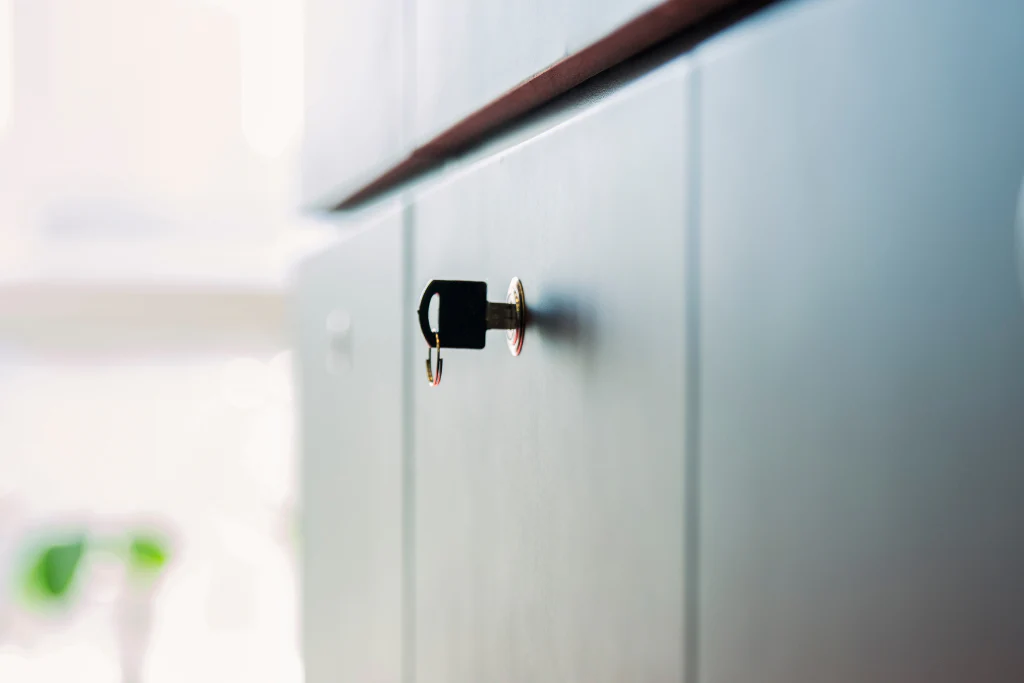
The most obvious benefit of cabinet door locks is security. While front doors and windows prevent unauthorized entry into your home, cabinets can contain items that are equally important to protect. Jewelry, electronics, confidential documents, cash, and collectible items are all vulnerable to theft if left unsecured. By installing cabinet door locks, you create an additional barrier that prevents opportunistic theft and gives homeowners peace of mind.
For businesses or offices, cabinet locks are equally important. Filing cabinets with sensitive client information, financial records, or proprietary data can be secured to prevent unauthorized access. In shared spaces or coworking environments, locks ensure privacy and control over important documents.
Cabinet door locks are essential in homes with young children. Household items such as cleaning chemicals, medications, knives, and tools can pose serious risks if children gain access to them. Cabinet locks allow parents to safely store these items out of reach, significantly reducing the risk of accidents.
Childproofing your home is not just about safety gates or outlet covers; securing cabinets adds an additional protective layer. Soft-lock systems, magnetic locks, or key-operated locks offer reliable ways to prevent young children from tampering with cabinets, drawers, or pantry doors.
Cabinet door locks can also contribute to a more organized home. By locking certain cabinets, you can create designated storage areas and control access to items that are less frequently used. This reduces clutter and ensures that your household items remain organized.
For busy households where multiple family members share storage spaces, cabinet locks can prevent items from being misplaced or accidentally removed. They help maintain order, making it easier to find what you need and improving the overall functionality of your home.
Beyond security and safety, cabinet door locks provide privacy. In shared living spaces or offices, locks prevent unauthorized access to personal belongings, files, or sensitive information. This is particularly useful in households with roommates, shared office spaces, or in healthcare environments where privacy is legally mandated.
Modern cabinet door locks are designed for convenience. Whether you choose a key-operated lock, combination lock, or electronic smart lock, these devices allow you to control access without hassle. Knowing that your items are secured provides mental comfort, allowing you to focus on your day without worrying about the safety of your belongings.
Choosing the right cabinet door lock depends on your needs, security requirements, and budget. Below is an overview of the most common types of locks available:
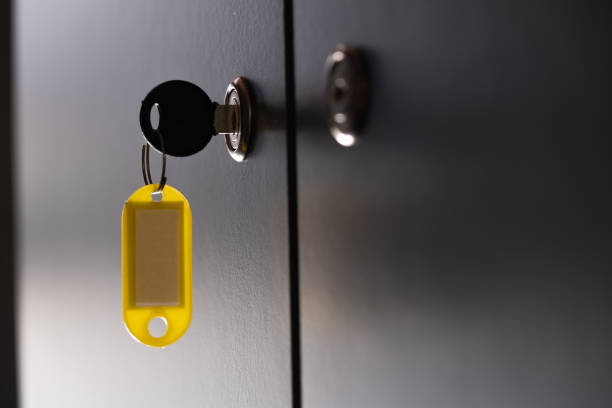
Key-operated locks are the traditional form of cabinet security. They require a physical key to unlock the cabinet and are simple, reliable, and cost-effective. They are ideal for homeowners or offices that want basic security without advanced technology.
Pros:
- Easy to install
- Durable and reliable
- Affordable
Cons:
- Keys can be lost or duplicated
- Requires physical access to unlock
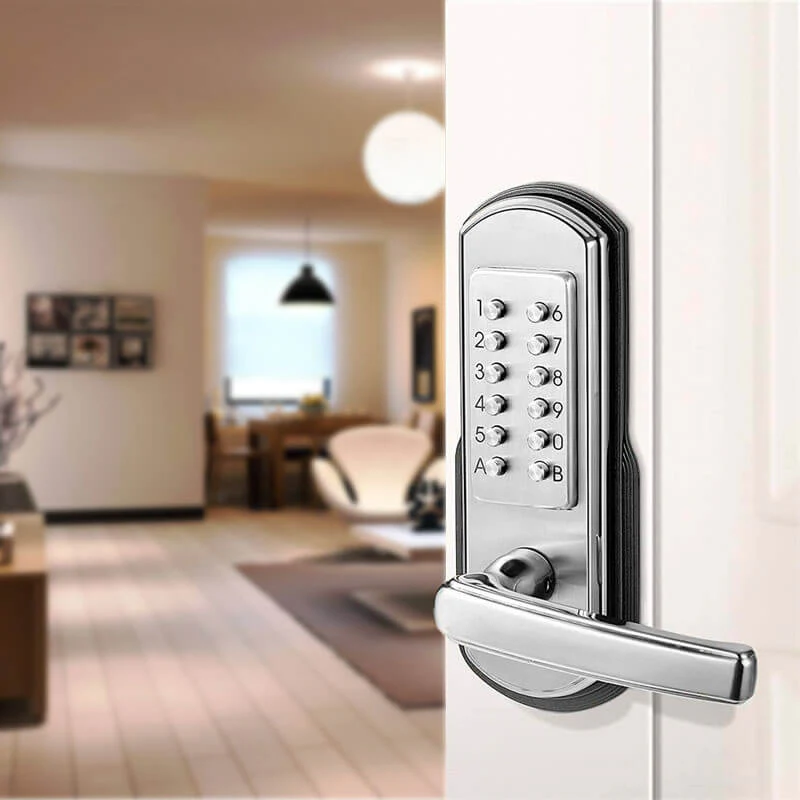
Combination locks eliminate the need for a physical key, instead relying on a numeric or alphanumeric code to access the cabinet. They are suitable for shared spaces where multiple people need access but a key may be impractical.
Pros:
- Keyless access
- Can be shared without duplication issues
- More control over access
Cons:
- Codes can be forgotten
- Requires manual code entry
Electronic cabinet locks use batteries and digital keypads, RFID cards, or smartphone apps to control access. Smart locks often integrate with home automation systems, allowing remote monitoring and control.
Pros:
- Advanced security features
- Remote access and monitoring
- Flexible access options for multiple users
Cons:
- Higher cost
- Requires power source or batteries
- May require technical setup
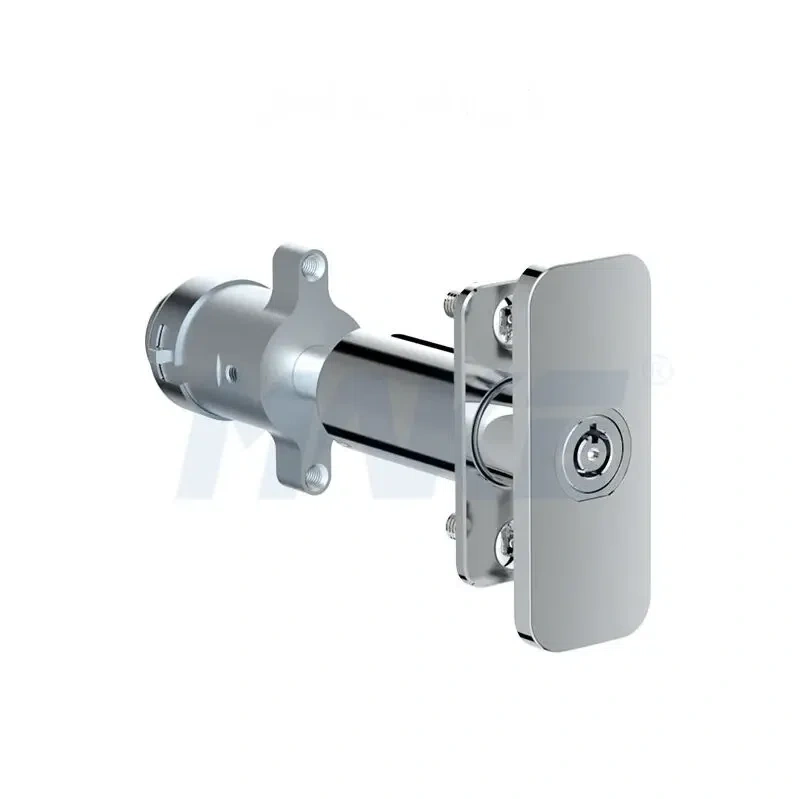
Magnetic locks are commonly used in childproofing and commercial settings. They use a magnetic key or mechanism to release the lock, making them invisible from the outside for a clean, modern look.
Pros:
- Childproof and tamper-resistant
- Invisible when installed
- Easy to use
Cons:
- Requires compatible magnetic key or mechanism
- Limited to specific cabinet types
Selecting the best cabinet lock depends on several factors:
- Security Needs: Determine whether you need to protect valuables, childproof, or both. High-value items may require a more advanced lock.
- Frequency of Access: Consider how often you need to access the cabinet. For daily access, keyless or combination locks may be more convenient.
- Cabinet Material and Design: Some locks are better suited for wood, metal, or glass cabinets. Ensure compatibility before purchasing.
- Budget: While advanced smart locks offer convenience, traditional key locks are more affordable. Balance cost with functionality.
- User Convenience: Choose locks that are easy to operate for all intended users. Childproofing locks should be simple for adults to use but challenging for children.
Proper installation ensures maximum security and functionality:
- Measure Carefully: Ensure the lock fits your cabinet door thickness and design.
- Follow Manufacturer Instructions: Each lock type may have specific installation requirements.
- Secure Mounting: Use screws or adhesive as recommended to prevent tampering.
- Test Before Use: Verify that the lock engages and disengages smoothly before storing valuables or dangerous items.
- Regular Maintenance: Periodically check locks for wear, replace batteries in electronic locks, and lubricate mechanical parts to ensure long-term reliability.
Even the best locks require care to maintain optimal performance:
- Lubrication: Mechanical locks should be lubricated occasionally to prevent sticking.
- Battery Replacement: Electronic locks require timely battery replacement to avoid lockout situations.
- Inspection: Check for damage, wear, or loose screws. Replace components as needed.
- Child Safety Checks: Regularly ensure that childproof locks are functioning correctly.
By maintaining your cabinet locks, you ensure continued safety, security, and convenience.
Cabinet door locks are versatile and applicable in many settings:
- Home: Protect valuables, medications, cleaning supplies, and personal documents.
- Office: Secure filing cabinets, sensitive records, and confidential materials.
- Retail: Lock display cabinets containing jewelry, electronics, or merchandise.
- Healthcare: Safely store medications, medical equipment, and patient records.
- Hospitality: Provide secure storage for hotel room mini-bars, safes, and amenities.
These locks provide peace of mind in both personal and professional environments.
Investing in high-quality cabinet locks offers long-term benefits:
- Increased home and workplace security
- Child safety and accident prevention
- Improved organization and reduced clutter
- Enhanced privacy for personal and professional items
- Greater convenience and controlled access
With numerous lock types and styles, upgrading cabinet security is easier and more affordable than ever.
Modern cabinet locks are evolving with technology:
- Smart Integration: Locks connected to home automation systems, allowing remote control and monitoring.
- Biometric Access: Fingerprint or facial recognition locks for enhanced security.
- Advanced Childproofing: Innovative magnetic and touch-sensitive locks designed for maximum safety.
- Durable Materials: Locks crafted from corrosion-resistant metals and reinforced plastics for long-lasting performance.
These trends make cabinet locks more secure, convenient, and user-friendly, meeting the demands of modern households and offices.
Cabinet door locks may seem like small, simple devices, but they are a crucial component of home and office security. They protect valuables, prevent accidents, improve organization, and offer privacy and convenience. From traditional key-operated locks to advanced smart and magnetic systems, there is a solution for every need and budget.
By understanding the types of locks available, installation best practices, and maintenance requirements, homeowners and office managers can create safer, more organized environments. Investing in high-quality cabinet locks is a practical and cost-effective way to enhance security, safeguard loved ones, and enjoy peace of mind.
Whether you are protecting sensitive documents, hazardous household items, or valuable possessions, cabinet door locks are a reliable and essential addition to any space.