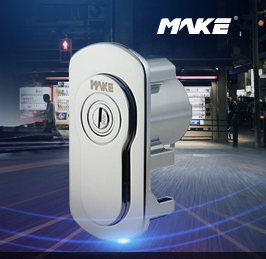
Vending Machine Tubular Locks — Why Operators Are Rethinking Security
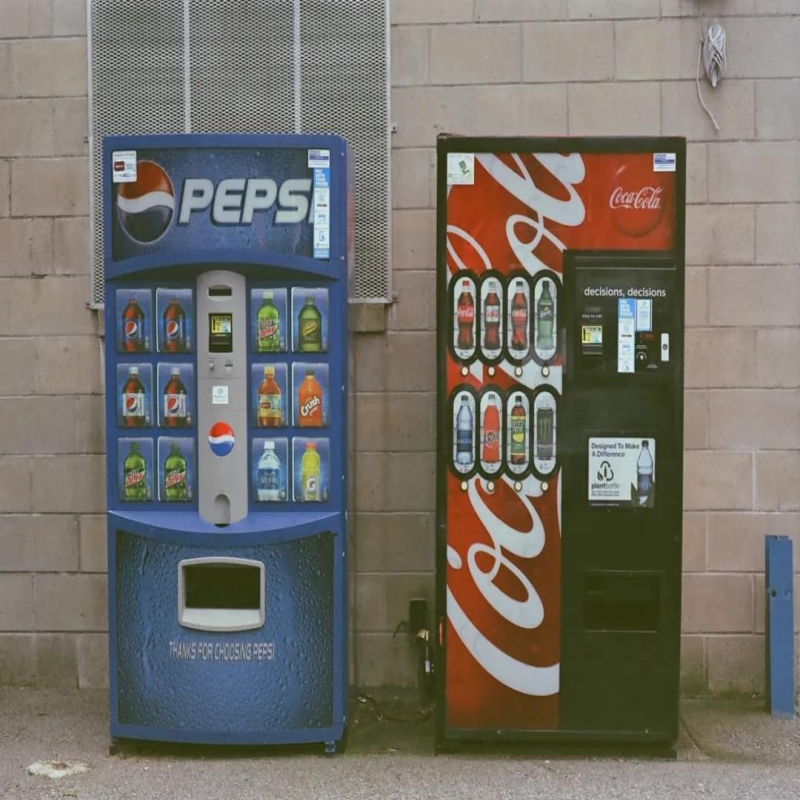
Vending machines are so ubiquitous that most of us hardly notice them — until one disappears, is vandalized, or is emptied by thieves. Behind the doors of these familiar machines sits a small but critical component: the tubular lock. For years, tubular locks have been the default choice for vending equipment, arcade cabinets, coin-operated laundry machines, and many other unattended devices. They balance reasonable security, simple operation, and easy rekeying for operators who manage many units. But in light of evolving threats and convenience demands, manufacturers and vending operators are rethinking how they use tubular locks and what supplementary steps they should take to protect assets and revenue.
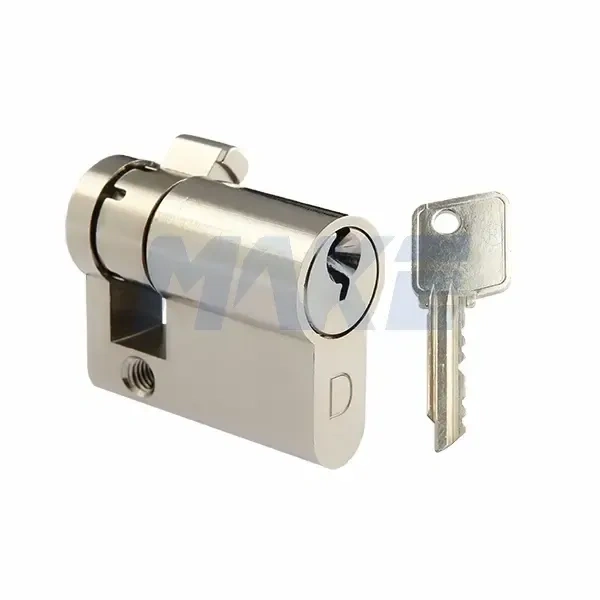
A tubular lock (also called a radial, circular, or “Ace” lock) is a variation of the pin-tumbler family. What sets it apart is the circular keyway and a cylindrical key: instead of a flat blade with cuts along its edge, a tubular key is round and fits into a ring-shaped opening. Internally, the lock contains multiple pins arranged radially around the cylinder. When the correct tubular key is inserted and turned, those pins align at the shear line and allow the plug to rotate, opening the lock.
This geometry — a compact, cylindrical profile with pins positioned in a circle — gives tubular locks a few advantages for vending and other unattended devices:
Compact footprint: the round face fits neatly on small doors and panels.
Ease of use: operators can quickly insert and turn the key, useful when servicing many machines.
Master-keying capability: manufacturers can build systems where an individual machine uses its own key while operators or supervisors carry a master key that opens multiple units.
Cost-effectiveness: tubular locks are relatively inexpensive compared to higher-security alternatives.
These traits help explain why tubular locks became the industry standard for vending machines and similar equipment.
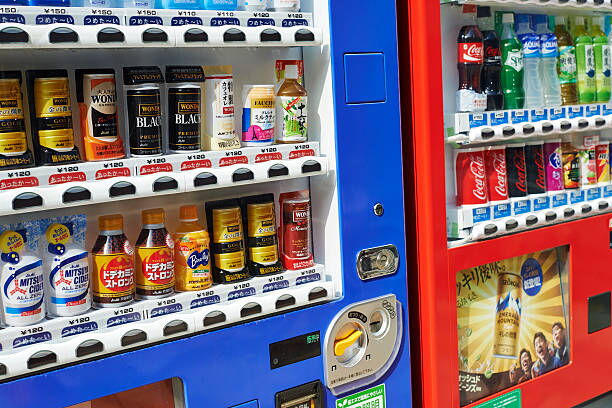
For organizations that manage multiple vending machines — whether a small business with a handful of units or a third-party vending company operating hundreds — key management is a real operational challenge. Imagine visiting a row of machines and having to try a different key at every stop. Master-keyed systems address that friction.
A typical setup allows each machine to have a unique key for local access (e.g., for a building manager or tenant), while the operator carries a master key that opens all machines in their territory. That single-key convenience reduces time on site, lowers the chance of leaving a key behind, and simplifies logistics for service teams. For this reason, tubular locks’ master-keying features are highly valued in the vending sector.
No widely used mechanical lock is completely immune to exploitation, and tubular locks are no exception. Over the years, a small number of tools and techniques have emerged that can defeat certain types or generations of tubular locks more quickly than traditional flat pin-tumbler locks. Because of that, the security conversation around vending machines has shifted from “are tubular locks good enough?” to “are tubular locks configured and maintained well enough, and what additional controls should operators use?”
A responsible discussion about vulnerabilities avoids providing step-by-step instructions that could enable misuse. Instead, the industry consensus focuses on mitigation: recognizing that some older tubular designs are more susceptible to tampering and taking sensible steps to reduce risk. Common mitigations include using higher-security tubular cylinders that resist known bypass methods, combining mechanical locks with electronic access controls, and physical reinforcement to make forced entry more difficult.
Security experts increasingly recommend a layered approach. Rather than relying on a single mechanical lock, operators use multiple controls that together raise the effort, time, and risk for an attacker:
Upgraded cylinders: Newer tubular cylinders incorporate hardened materials, tighter tolerances, and anti-drill/anti-extraction features. When choosing replacements, prioritize lock bodies from reputable manufacturers that advertise resistance to common attacks.
Secondary locks or hasps: Some machines use more than one locking point or a secondary hasp to prevent quick pry attacks.
Alarmed enclosures: Tamper sensors that trigger an alarm or send alerts can deter opportunistic thieves and improve recovery chances.
Electronic access: Keypad or RFID-based systems add an access layer that can be logged and revoked remotely. Hybrid systems (a mechanical lock for emergency access plus an electronic controller for routine access) are also common.
Surveillance and visibility: Cameras, improved lighting, and placement where equipment is in public view reduce theft and vandalism risk.
Physical reinforcement: Stronger enclosures, internal cash trays secured with extra fasteners, and reinforced mounting reduce the payoff for physical attacks.
A layered approach follows a simple principle: make attacks more time-consuming and risky, so criminals move on to easier targets.
Many losses trace back to basic operational issues rather than exotic bypass techniques. Good key control and routine maintenance address a surprising portion of vulnerabilities:
Keep tight records of who has keys, rotate keys when an employee leaves or a key is lost, and minimize the number of people holding master keys.
If machines have been in service for years, periodic rekeying or cylinder replacement can limit exposure to compromised keys.
Loose or damaged lock faces, corroded pins, and worn keys can make locks less reliable; they can also increase the chance that a machine is left unsecured.
Service personnel should be trained to spot signs of tampering and to follow standardized procedures for access and reporting.
These operational measures are low cost and often provide the best return on investment.
Not every vending application demands the same level of protection. A machine placed in a secure office building has different risk factors than one left in a dark alley or a remote gas station. When selecting locks, consider the environment, the value inside (cash versus low-value goods), and how often the machine will be serviced.
For high-risk locations or machines holding substantial cash, operators may choose higher-grade cylinders, additional mechanical barriers, or full electronic access systems with logging. For low-risk, high-volume deployments where convenience and cost are paramount, modern tubular locks with disciplined key control may still be the right choice.
Vending machine and lock manufacturers play a crucial role in overall security performance. Even minor design details — such as lock mounting methods, door thickness, material strength, and the quality of internal fasteners — can significantly influence a machine’s resistance to tampering or forced entry.
Today’s leading manufacturers integrate advanced security features, including recessed lock pockets, anti-pry flanges, and independently secured cash boxes that make unauthorized access far more difficult. Additionally, modular upgrade options allow operators to retrofit electronic access systems, GPS tracking, and alarm modules without replacing the entire unit, combining improved protection with cost efficiency.
As a leading vending machine lock manufacturer in China, MAKE delivers high-quality, precision-engineered security solutions designed to enhance durability, reliability, and operator convenience.
As the value of unattended retail and micro-commerce grows, insurers and clients are paying closer attention to security posture. Insurers may ask about the types of locks used, the presence of alarms, and key-control practices when underwriting policies for vending operators. Documenting security measures and incident response practices can make coverage clearer and claims smoother.
Operators should also promptly report thefts and vandalism to police. Besides the immediate need to recover losses, reporting helps law enforcement identify patterns and can support broader crime prevention efforts in public spaces.
Several trends are shaping the future of vending-machine security:
Hybrid access systems: Combining mechanical keys with electronic credentials and audit logs provides both backup access and better operational visibility.
Remote monitoring: Sensors that report status, tamper attempts, and cash levels help operators react faster and reduce time spent on site.
Stronger mechanical standards: As vulnerabilities are publicized, lockmakers innovate tighter-tolerance and tamper-resistant tubular designs.
Design for retrofit: Modular machine designs allow operators to upgrade security without wholesale replacement, reducing cost and waste.
These trends align with the broader move toward smarter, connected retail infrastructure where security, telemetry, and maintenance integrate into a single platform.
If you operate or manage vending machines, here are practical, nontechnical steps you can take today to strengthen security:
Review who holds master keys and reduce the number of holders where possible.
Inspect locks and enclosures routinely and replace damaged or loose parts promptly.
Consider upgrading cylinders on high-risk machines to models that advertise enhanced resistance to tampering.
Explore adding tamper alarms or remote-monitoring modules for high-value or remote deployments.
Work with your insurer to understand coverage requirements and document your security practices.
Choose machine placements with natural surveillance — well-lit, visible spots reduce criminal opportunity.
Public conversations about lock vulnerabilities can be valuable: they inform operators and encourage better security. At the same time, providing detailed, step-by-step instructions for bypassing locks would assist malicious actors. That is why responsible reporting focuses on mitigation and prevention rather than instructional detail. If you suspect a particular lock or model is vulnerable, consult a reputable manufacturer or a licensed security professional for guidance that balances operational needs with legal and ethical responsibilities.
Tubular locks have long been a practical, cost-effective choice for vending machines because they combine compact design, ease of use, and master-keying convenience. But as threats evolve and technology advances, operators must treat those locks as one layer in a broader security strategy. Upgrading to more robust cylinders, enforcing strict key control, using layered electronic and mechanical protections, and partnering with manufacturers on secure designs will keep machines profitable and reduce losses. In the vending business, small components like a lock can have outsized effects on revenue and reputation — and attention to security pays off.