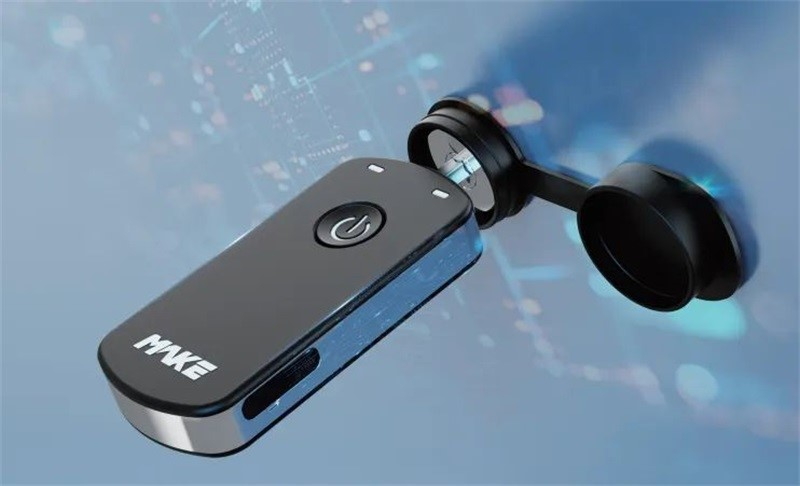
From Assigned Lockers to On-Demand Storage: A Revolution in Workplace Storage
As consumer environments evolve, so do user expectations. When lockers move from private spaces into public environments, storage needs shift from long-term, individual use to temporary, shared access by multiple users.
To accommodate this change, lockers need a locking solution with a dedicated public mode, enabling them to meet the demands of shared storage environments while providing a convenient and reliable user experience.
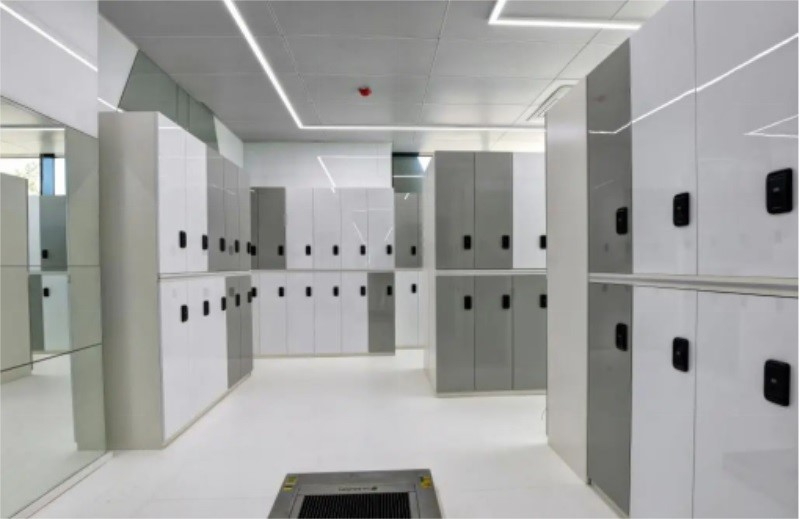
01. What Is a Public-Mode Locker Lock?
"Public mode" refers to a storage environment where lockers are shared by multiple users, with frequent changes in occupancy and repeated use throughout the day. Locks designed for this purpose should support the following features:
- Multi-user access: Suitable for temporary users rather than permanently assigned individuals.
- Quick reset: Allows passwords or keys to be changed or reset easily between uses.
- Convenient management: Enables facility managers to manage multiple lockers efficiently.
- Cost-effective deployment: Keeps costs under control when installing lockers on a large scale.
Typical usage: Passengers temporarily store luggage, backpacks, and other personal belongings at subway stations, railway stations, and airports. Users change frequently, and individual storage periods typically last only a few hours.
Lock requirements: Easy operation, clear instructions, and an intuitive user experience.
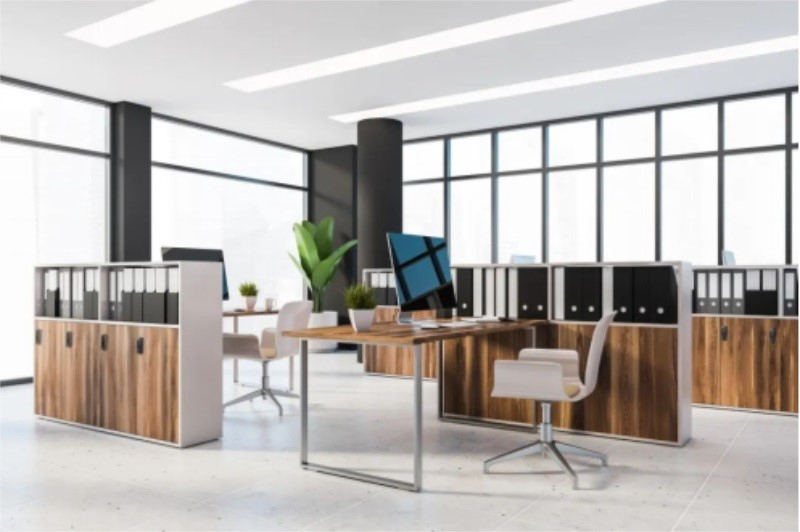
Typical usage: Employees temporarily store personal belongings, lunch bags, work accessories, laptop bags, and other items during working hours or lunch breaks.
Lock requirements: A consistent appearance that complements the facility's brand image, combined with reliable performance under frequent locking and unlocking cycles.
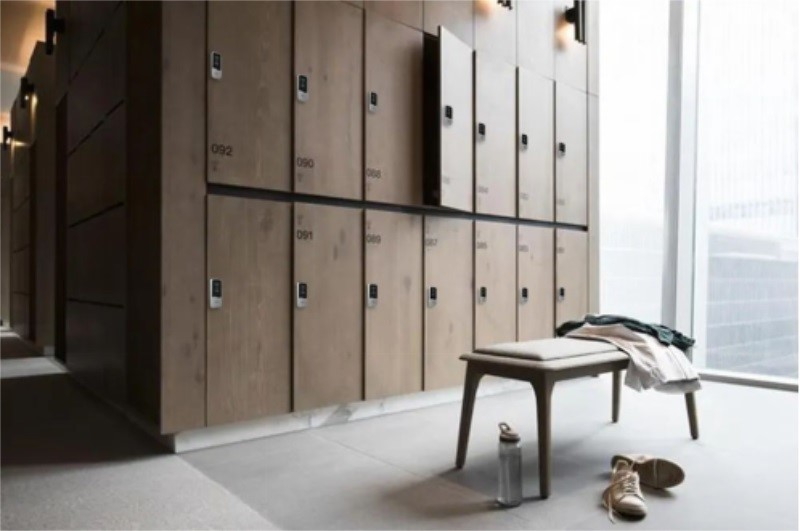
Typical usage: Visitors store clothing, valuables, and personal belongings in environments that may be humid, warm, or exposed to splashing water. Lockers are frequently accessed throughout the day.
Lock requirements: Moisture resistance, corrosion resistance, impact resistance, and easy cleaning.
Typical usage: Visitors temporarily store valuables, handbags, backpacks, and other personal belongings while exploring attractions or participating in activities.
Lock requirements: Reliable security, resistance to environmental conditions, and convenient maintenance and on-site management.
Public locker installations can involve complex site conditions, and access to a stable power supply is not always guaranteed. Mechanical locks operate without electricity, making them a dependable option for public storage facilities while eliminating the need for power-related maintenance.
Mechanical locker locks can support different usage arrangements, including individually assigned lockers and shared lockers used by successive visitors. Solutions with convenient key management or resettable combination mechanisms make it easier to accommodate frequent changes in users.
Compared with electronic locks, mechanical locks generally require a lower initial investment and are straightforward to install. Their self-contained mechanical structures also reduce dependence on electronic components, making them less susceptible to power interruptions and certain environmental disturbances.
For large-scale locker installations, these advantages make mechanical locks a practical choice for balancing acquisition costs, operational reliability, and long-term maintenance requirements.
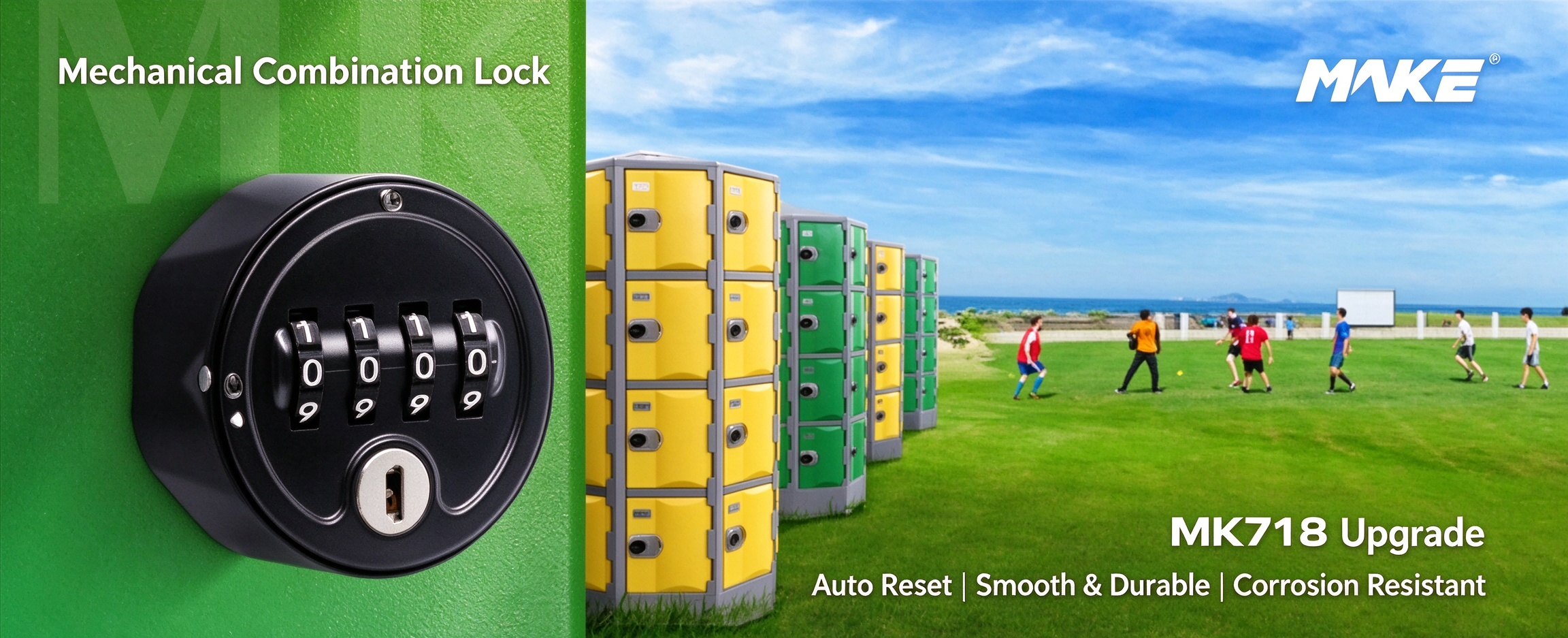
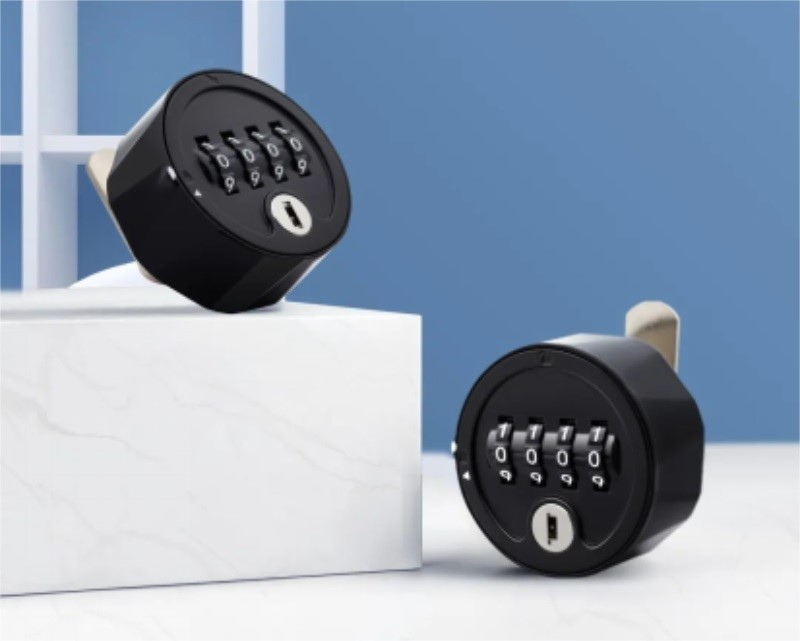
We recommend the MAKE MK718 Combination Disc Lock. Featuring four key advantages, the MK718 helps locker manufacturers develop practical storage solutions for a wide range of public environments.
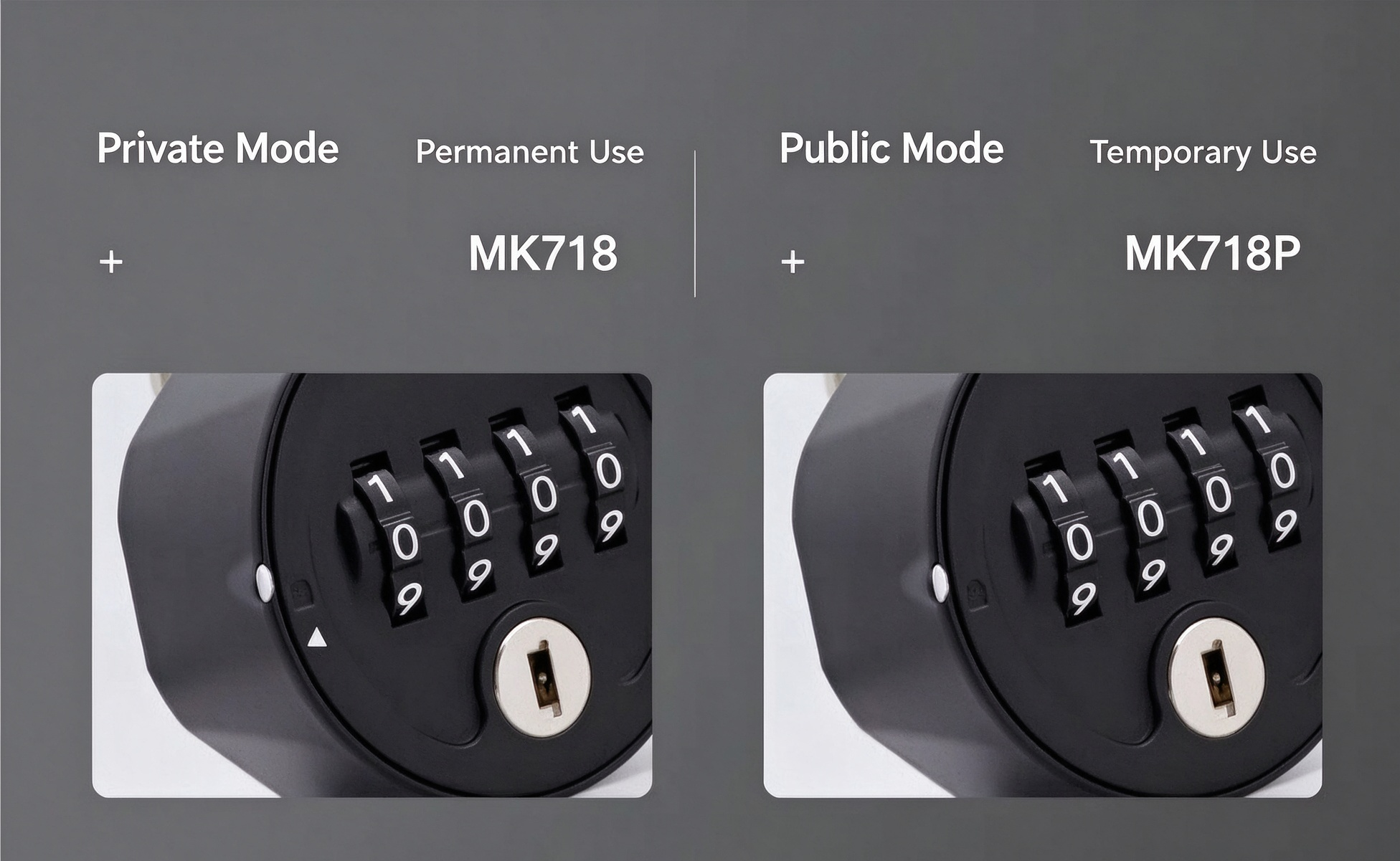
The MAKE MK718 supports both public and private modes, providing flexibility for different locker applications.
When configured in public mode, the lock uses a one-time combination for each storage session. This transforms the locker experience from "one person, one locker" to "use it when you need it," making the MK718 particularly suitable for shared storage facilities with a constantly changing user base.
In public mode, the lock remains unlocked until a user is ready to secure the locker. The user can set a personal combination, lock the locker, and unlock it with the same combination when retrieving their belongings.

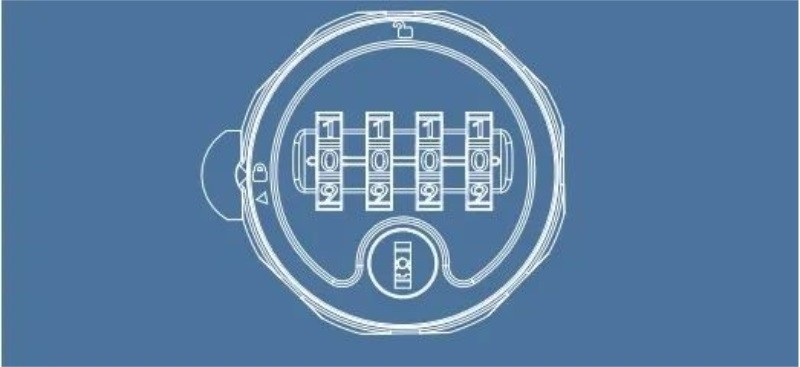
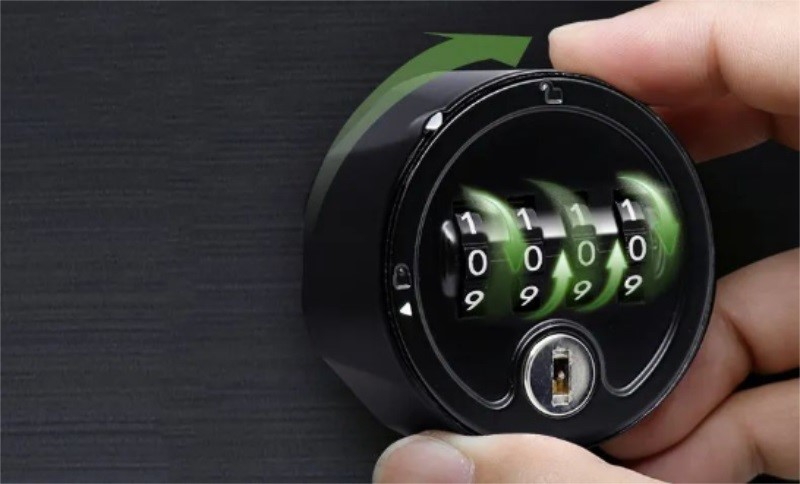
Once the locker is unlocked, the previous combination becomes invalid, and the combination resets to "0-0-0-0." Thanks to the one-touch reset function, all combination dials automatically return to zero, allowing the next user to set a new combination and use the locker independently.
The front of the lock features intuitive visual indicators for locking, unlocking, and changing the combination. These clearly marked icons guide users through the operating process, reduce confusion, and make the lock easier to use, even for first-time visitors.
The MAKE MK718 features a fully mechanical operating mechanism. Users rotate the combination dials and turn the knob to engage the internal locking mechanism, providing straightforward operation and reliable performance without requiring electrical power.
The lock is manufactured from high-quality zinc alloy and finished with protective surface treatments, including powder coating, painting, and electroplating, depending on the specified finish. These treatments enhance surface protection and make the product suitable for a wide range of indoor and outdoor applications when appropriately specified for the operating environment.
The MK718 has passed rigorous salt spray testing, cross-cut adhesion testing, and decoding resistance testing. Designed to withstand up to 30,000 locking and unlocking cycles, it offers durability and dependable performance for frequently used public lockers.
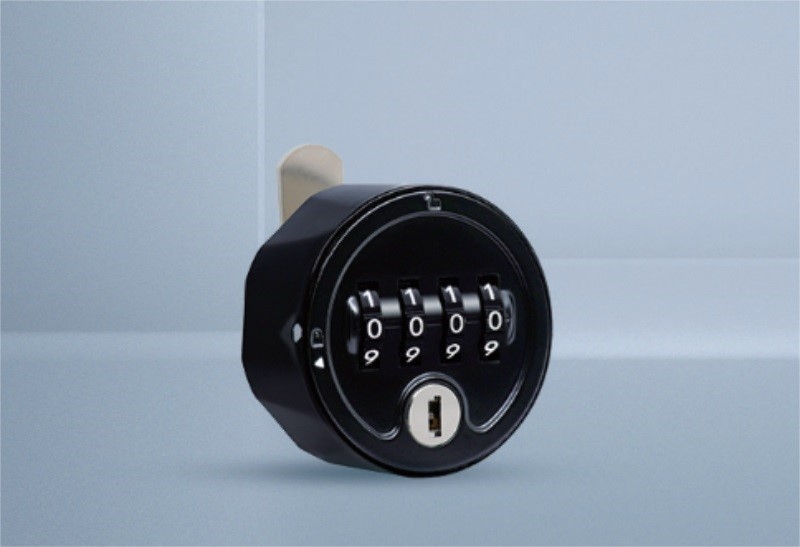
Forgotten combinations can create inconvenience for users and additional work for facility managers. The MAKE MK718 addresses this challenge with a master key function that supports emergency unlocking and combination retrieval.
When a user forgets their combination, authorized personnel can use the master key to open the locker in an emergency and retrieve the existing combination. This helps resolve unexpected access issues quickly, reduces disruption to daily operations, and supports the smooth management of shared locker facilities.
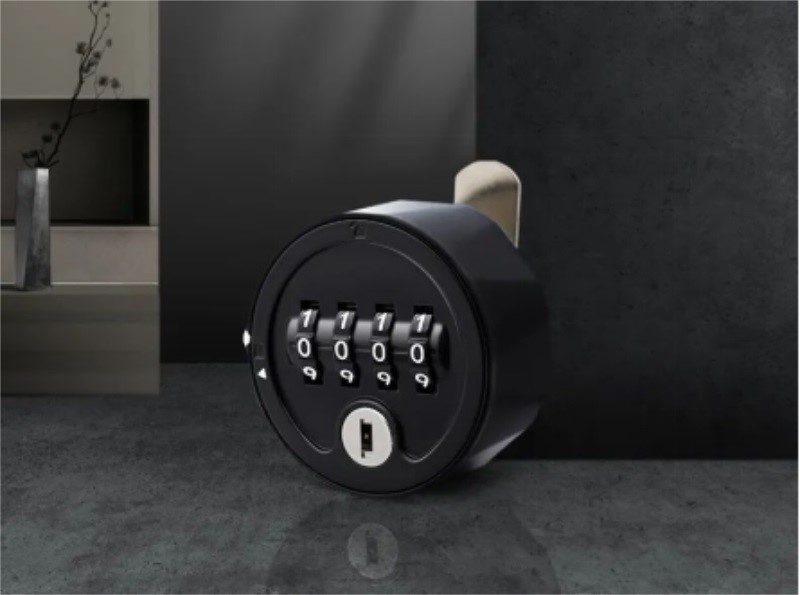
The MAKE MK718 addresses the diverse locking requirements of public lockers with a combination of flexible operating modes, intuitive operation, durable mechanical construction, and convenient maintenance features.
By enabling successive users to secure and access lockers independently, the MK718 supports a more convenient "store and retrieve as needed" experience. For locker manufacturers, it offers a practical locking solution for applications ranging from transportation hubs and office buildings to gyms, swimming pools, and tourist attractions.
Looking ahead, MAKE will continue to monitor evolving requirements in the public locker market, focusing on product innovation and continuous improvement to deliver advanced locking solutions and attentive customer service.