Advantages of RFID Cabinet Locks in High-Security Environments
May 02, 2026 / Industry News / 46 views
As technology continues to reshape homes, businesses, and public facilities, traditional locking systems are steadily being replaced by smarter, safer, and more convenient alternatives. One of the fastest-growing solutions in the storage security market is the RFID cabinet lock. Designed for lockers, drawers, wardrobes, filing cabinets, storage compartments, and other enclosed spaces, RFID cabinet locks provide contactless access control while improving user convenience and operational efficiency.
In the past, most cabinets and lockers relied on mechanical keys or simple combination locks. While functional, these systems often created daily management problems. Keys could be lost, duplicated, or stolen. Locks could wear out over time. Administrators needed to spend time replacing cylinders, issuing new keys, or helping users who forgot combinations. In busy environments such as gyms, swimming pools, offices, schools, and hospitals, these issues could become expensive and frustrating.
RFID technology has changed this situation dramatically. By allowing users to unlock cabinets with a card, tag, wristband, or smart credential, RFID cabinet locks remove the need for physical keys and simplify access management. They also deliver stronger security, modern aesthetics, and greater flexibility.
Today, RFID cabinet locks are widely used in commercial and institutional environments, and their popularity continues to grow as more organizations adopt digital management systems. This article explores what RFID cabinet locks are, how they work, their benefits, common applications, important buying considerations, and future market trends.
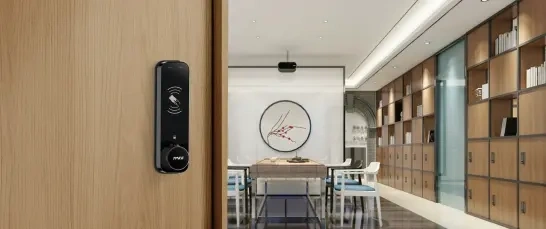
RFID stands for Radio Frequency Identification. It is a wireless technology that uses radio waves to transmit data between a credential and a reader. RFID systems are widely used in transportation cards, hotel key cards, inventory tracking, employee badges, and security access systems.
An RFID cabinet lock is an electronic locking device that opens only when an authorized RFID credential is presented to the reader. The credential contains a unique identification code that the lock recognizes. If the code is approved, the latch releases and the cabinet door can be opened.
RFID credentials may include:
This technology adds a much stronger security layer compared with traditional key locks, while also being easy and fast to use.
Although RFID cabinet locks appear sophisticated, their operating process is simple and efficient.
Main Components of the System
A standard RFID cabinet lock usually includes:
Step-by-Step Operation
This entire process often takes less than one second, making it ideal for busy facilities where speed matters.
The global shift toward smart access systems has accelerated demand for RFID cabinet locks. Many organizations are moving away from keys because manual lock systems are labor-intensive and outdated.
Several reasons explain the rapid adoption of RFID cabinet locks:
As customer expectations rise, businesses increasingly view smart storage systems as an important service feature.
One of the biggest benefits is eliminating physical keys. Traditional keys are frequently lost, forgotten, or damaged. Replacing them creates inconvenience and expense.
With RFID locks, users simply tap a card or wristband to gain access. This improves convenience and reduces daily disruptions.
Mechanical keys can be copied easily. RFID credentials are more secure because each credential has a unique coded identity. Lost cards can often be deleted instantly without replacing the lock.
Advanced models may also include:
This makes RFID cabinet locks suitable for both personal belongings and sensitive storage.
Users can unlock cabinets in seconds. This is especially valuable in high-traffic areas such as:
Quick access improves traffic flow and user satisfaction.
Managers can assign, revoke, or modify user permissions quickly. There is no need to collect keys or replace lock cylinders.
This is useful for:
Although RFID systems may cost more initially, they often save money over time by reducing:
RFID locks often feature clean, stylish designs that enhance facility appearance. Sleek locker rooms, smart offices, and premium spas benefit from this modern presentation.
Fitness clubs are among the largest users of RFID locker locks. Members can use membership cards or wristbands to secure personal belongings.
Benefits include:
Waterproof wristbands paired with RFID locks are ideal for wet environments. Guests can swim, shower, and move freely without carrying keys.
RFID cabinet locks work well in spas, wellness clubs, and saunas where convenience and hygiene are priorities.
Employees can use ID cards to access:
This creates unified access control across the workplace.
Students increasingly use RFID cards for:
Healthcare facilities use RFID locks for:
Hotels may allow guests to use room key cards for spa lockers or secure storage areas.
Retailers use RFID cabinet locks for:
These operate independently and store credentials locally.
Best for:
These connect to software or central management systems.
Best for:
Advantages:
Installed inside cabinets with no visible external lock body.
Best for:
Advantages:
Dual-access systems combining RFID cards with PIN entry.
Advantages:
Material quality strongly affects durability and lifespan.
Zinc Alloy
Popular for premium locks due to strength and corrosion resistance.
ABS Engineering Plastic
Cost-effective, lightweight, and durable for many indoor applications.
Stainless Steel
Ideal for humid, high-use, or demanding environments.
Acrylic Panels
Often used in touch-sensitive designer locks with premium appearance.
Reinforced Internal Components
High-quality gears, latches, and springs improve long-term reliability.
With many models available, selecting the best lock requires careful planning.
Choose locks suited to the operating conditions.
Examples:
Common RFID frequencies include:
Ensure compatibility with your existing cards or access system.
For battery-powered locks, long battery life is essential.
Look for:
Important security features may include:
Some locks fit standard locker cutouts, while others need custom drilling.
Simple installation reduces labor expense.
Shared facilities need locks that can store multiple user credentials.
Reliable systems should offer backup access such as:
Choose manufacturers that offer:
Correct installation is critical for good performance.
Important factors include:
Professional installation can greatly extend service life.
Although low-maintenance, regular care is recommended.
Replace Batteries on Schedule
Do not wait until batteries fail completely.
Keep Reader Surfaces Clean
Dust or water residue can affect appearance and usability.
Update Credentials Regularly
Remove former employees or expired members promptly.
Inspect Mechanical Parts
Check latches and hinges periodically.
Test Emergency Override Systems
Ensure backup access works when needed.
Compared with standard locks, RFID systems offer major operational advantages.
Traditional locks often create problems such as:
RFID systems solve many of these challenges while improving customer satisfaction.
Several market trends are accelerating RFID cabinet lock adoption.
Smart Buildings
Modern buildings increasingly use connected systems for access control and automation.
Contactless Demand
Users prefer touchless or low-contact access methods.
Higher Security Standards
Businesses want better protection for employee and customer belongings.
Labor Efficiency
Automation reduces staff time spent managing keys.
Better User Experience
Premium facilities use smart lockers as a competitive advantage.
The next generation of RFID cabinet locks will become even smarter.
Expected innovations include:
As IoT ecosystems expand, cabinet locks will become part of fully connected facilities.
Organizations upgrading storage security today gain several advantages:
In industries such as fitness, hospitality, healthcare, and education, smart lockers are increasingly expected rather than optional.
RFID cabinet locks are transforming lockers, cabinets, drawers, and secure storage spaces across many industries. By replacing mechanical keys with contactless digital credentials, they deliver faster access, stronger security, easier management, and a more professional user experience.
From swimming pools and saunas to offices, schools, hospitals, hotels, and retail stores, RFID cabinet locks provide practical solutions for environments where convenience and security matter. Their durable construction, modern appearance, and intelligent features make them an excellent long-term investment.
When choosing RFID cabinet locks, buyers should carefully consider environment, material quality, credential compatibility, battery life, installation needs, and supplier support. With proper selection and maintenance, these locks can provide years of reliable service.
As facilities continue adopting smart technologies, RFID cabinet locks will remain one of the most effective and popular solutions for modern storage security.