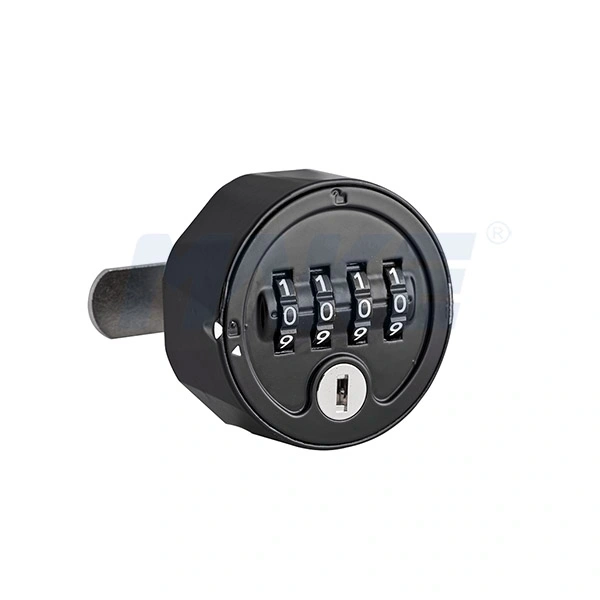
Applications Of Electronic Cabinet Locks Across Multiple Industries
As digital transformation continues to reshape global industries, security systems are also evolving rapidly. One of the most practical innovations in modern access control is the electronic cabinet lock. Designed to replace traditional key-based locking systems, electronic cabinet locks provide a smarter, safer, and more efficient way to secure cabinets, drawers, and storage units across commercial, industrial, and institutional environments.
Unlike mechanical locks that rely on physical keys, electronic cabinet locks operate using electrical signals and authentication technologies such as RFID cards, keypad codes, Bluetooth, or centralized software platforms. This shift toward keyless access management is driven by the growing need for enhanced security, better accountability, and reduced administrative burden associated with key control.
Today, electronic cabinet locks are widely adopted in workplaces, hospitals, retail environments, and hospitality facilities. They not only protect valuable assets and sensitive information but also improve operational efficiency by simplifying access control.
An electronic cabinet lock is an electrically powered locking device designed to secure cabinets, drawers, and storage compartments without the need for traditional mechanical keys. Instead of inserting a physical key, users gain access through electronic authentication methods.
These locks typically consist of:
- Electronic locking mechanism
- Control circuit board
- Power supply (battery or wired)
- Authentication interface (RFID, keypad, mobile app, etc.)
- Mechanical latch or bolt system
When authorized access is verified, the electronic system releases the lock, allowing the cabinet or drawer to open. Once closed, the system automatically re-locks for continued protection.
Electronic cabinet locks are designed for both standalone and networked environments, making them suitable for simple installations as well as complex enterprise-level security systems.
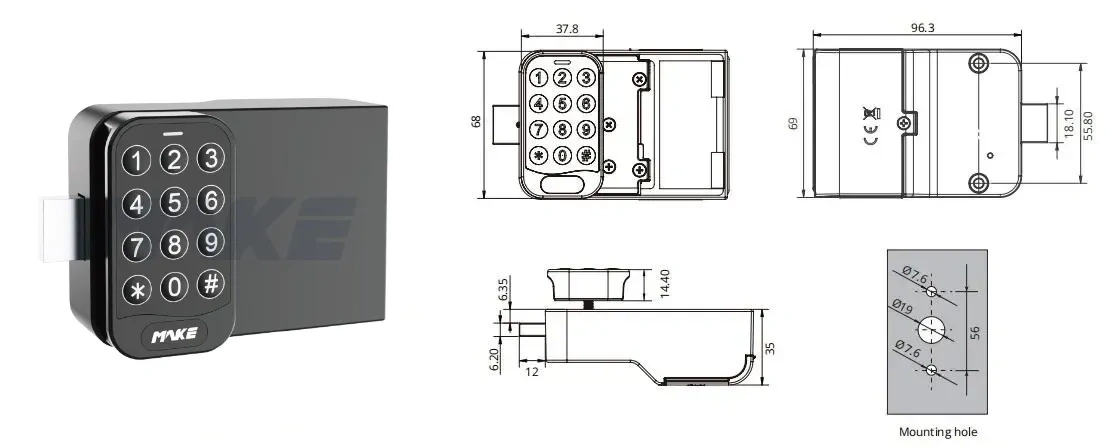
Traditional key-based systems have several limitations, including lost keys, duplication risks, and lack of access tracking. Electronic cabinet locks solve these challenges by introducing digital control and intelligent management features.
Key Advantages:
- Elimination of physical key management
- Improved security and access control
- Real-time monitoring and logging
- Reduced risk of unauthorized access
- Flexible user permissions
- Easy integration with existing security systems
In modern organizations, protecting sensitive materials and personal belongings is no longer optional—it is a critical requirement. Electronic cabinet locks provide a simple yet powerful solution to meet this demand.
Electronic cabinet locks operate using a combination of hardware and software components that work together to control access.
Basic Working Principle:
- User presents authentication (RFID card, PIN, or mobile signal)
- System verifies credentials through internal controller
- If authorized, signal is sent to unlock mechanism
- Mechanical latch is released
- Cabinet or drawer opens
- Lock resets automatically after closing
Depending on the system design, access control data may also be stored locally or transmitted to a central management platform for monitoring and audit purposes.
Different industries require different levels of security and convenience. As a result, electronic cabinet locks are available in several configurations.
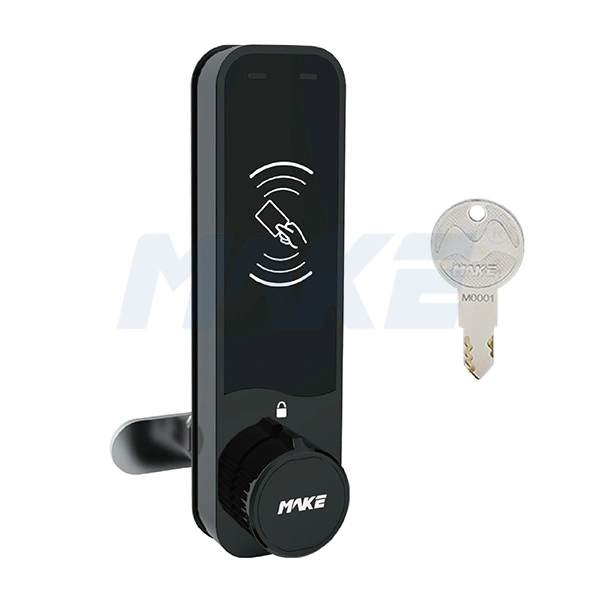
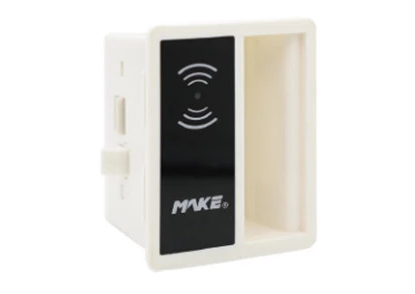
RFID (Radio Frequency Identification) locks use access cards or badges. Users simply tap or swipe their card to unlock the cabinet.
Advantages:
- Fast access
- Easy integration with workplace ID systems
- No need to remember codes
- Suitable for high-traffic environments
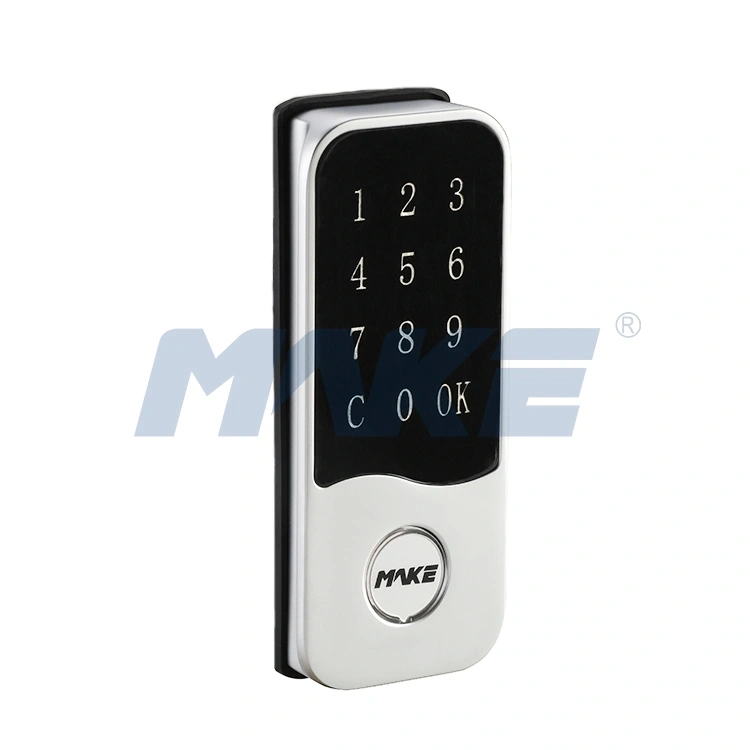
Keypad locks require users to enter a numeric PIN code.
Advantages:
- No physical cards required
- Simple installation
- Flexible user management
- Suitable for shared environments
These advanced locks are controlled via smartphone applications.
Advantages:
- Remote access control
- Real-time monitoring
- User permission customization
- Ideal for smart buildings
Biometric systems use fingerprint or facial recognition.
Advantages:
- High security level
- No keys or codes needed
- Fast authentication
- Ideal for sensitive storage
Electronic cabinet locks are used across a wide range of industries, each with unique security needs and operational requirements.
In modern workplaces, protecting sensitive information is a top priority. Offices often store:
- Employee records
- Financial documents
- Legal files
- Intellectual property
- Confidential contracts
Electronic cabinet locks provide secure storage while eliminating the risks associated with lost or duplicated keys.
Many companies already use RFID access cards for building entry. Integrating RFID cabinet locks allows employees to use the same badge for both building and internal storage access, creating a seamless security system.
The healthcare sector has strict compliance requirements, including data privacy regulations such as HIPAA. Electronic cabinet locks are widely used in:
- Medical record storage cabinets
- Medication storage units
- Drug dispensing carts
- Laboratory storage systems
- Patient room storage compartments
Hospitals benefit from multiple access technologies, including RFID, keypad, and mobile-based locks, depending on security level and operational workflow.
In addition to security, electronic cabinet locks improve efficiency by allowing authorized staff to quickly access critical supplies without searching for physical keys.
Retail environments face challenges such as theft prevention and controlled product access. Electronic cabinet locks are commonly used in:
- High-value merchandise displays
- Locked glass cabinets
- Storage rooms
- Electronics and luxury goods displays
A major advantage in retail is operational efficiency. Staff no longer need to locate a manager or keyholder to open a display cabinet. Instead, authorized employees can unlock cabinets instantly using RFID badges or secure codes.
This reduces customer wait times and improves overall store operations while minimizing shrinkage.
Hotels and hospitality environments are increasingly adopting electronic cabinet locks to improve guest experience and in-room security.
Common applications include:
- In-room safes
- Under-bed storage drawers
- Closet cabinets
- Mini-bar compartments
Electronic locks provide a modern alternative to traditional mechanical safes, offering guests more convenient and intuitive access control.
Many hotel systems integrate with existing room key cards, allowing guests to use the same RFID card for both room entry and in-room storage.
Keypad-based systems are also popular, allowing guests to set temporary personal codes during their stay.
Electronic authentication significantly reduces unauthorized access risks compared to traditional locks.
No need for physical keys eliminates loss, duplication, or replacement issues.
Administrators can assign, modify, or revoke access instantly.
Advanced systems can record access history for accountability.
Faster access improves workflow in workplaces, hospitals, and retail environments.
Electronic cabinet locks can connect with building automation and security platforms.
While electronic cabinet locks offer many benefits, there are also considerations to keep in mind.
Power Supply Dependence
Most systems require batteries or wired power, requiring maintenance.
Initial Installation Cost
Higher upfront cost compared to mechanical locks.
System Compatibility
Integration with existing infrastructure may require planning.
Cybersecurity Risks
Network-connected systems must be protected against unauthorized digital access.
Proper installation is critical for performance and reliability.
Installation Factors:
- Cabinet material compatibility
- Lock positioning accuracy
- Power supply access
- Communication system setup
- Environmental conditions
Maintenance Requirements:
- Battery replacement or recharging
- Software updates
- Periodic system checks
- Cleaning of mechanical components
Well-maintained systems ensure long-term stability and performance.
The industry is evolving toward more intelligent and connected systems.
Cabinet locks are becoming part of broader smart building ecosystems.
Remote management of access permissions via cloud platforms.
Advanced systems can detect unusual access patterns.
Smartphone-based authentication is becoming standard.
Low-power systems with long battery life are increasingly preferred.
When selecting a system, consider the following:
- Security level required
- Number of users
- Access frequency
- Installation environment
- Integration needs
- Budget constraints
- Preferred authentication method
A well-chosen system improves both security and operational efficiency.
Electronic cabinet locks are expected to become a standard feature in modern infrastructure. As digital transformation continues, demand for intelligent access control systems will increase across all industries.
Future systems will likely feature:
- Fully cloud-based management
- Biometric multi-factor authentication
- Seamless smart building integration
- Predictive maintenance capabilities
- Enhanced cybersecurity protection
These innovations will further strengthen the role of electronic cabinet locks in global security systems.
Electronic cabinet locks represent a significant advancement in access control technology. By replacing traditional keys with intelligent electronic authentication systems, they offer improved security, convenience, and operational efficiency across multiple industries.
From offices and hospitals to retail stores and hotels, these systems are transforming how organizations protect valuable assets and manage access permissions. As smart technologies continue to evolve, electronic cabinet locks will play an increasingly important role in building safer, more connected environments.