Smart Digital Locker Locks: Improving Access Control in Modern Facilities
The rapid evolution of smart technology is transforming nearly every aspect of modern infrastructure, and security systems are no exception. Among the most significant innovations in this field is the Digital Locker Lock—a next-generation locking solution designed to replace traditional mechanical keys with electronic, intelligent access control systems.
In environments where lockers are widely used—such as gyms, schools, offices, factories, hospitals, airports, and public facilities—the demand for more secure, convenient, and manageable storage solutions has grown significantly. Traditional mechanical locks, while simple and widely adopted for decades, are increasingly unable to meet modern expectations for security, efficiency, and user experience.
Issues such as lost keys, unauthorized duplication, manual management burden, and lack of access tracking have highlighted the limitations of conventional systems. As a result, digital locker locks have emerged as a preferred solution, offering keyless access, real-time control, and advanced authentication methods.
A digital locker lock uses electronic technology to control access to storage compartments. Instead of relying on physical keys, users gain entry through PIN codes, RFID cards, mobile applications, or biometric verification. These systems can be deployed in both new locker installations and existing infrastructure upgrades, making them highly flexible and scalable.
As global industries continue to adopt smart building technologies and IoT-based management systems, digital locker locks are becoming an essential component of modern secure storage ecosystems. This article provides a comprehensive industry overview, covering system structure, working principles, product types, benefits, application scenarios, and future development trends.
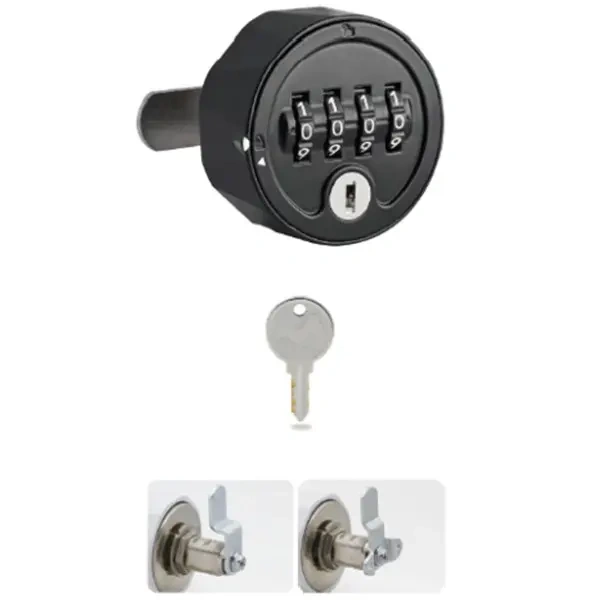
A Digital Locker Lock is an electronically controlled locking mechanism designed to secure lockers without the need for traditional mechanical keys. It replaces physical locking systems with digital authentication technologies that allow authorized users to access storage spaces quickly and securely.
Unlike conventional locks that require manual key insertion and rotation, digital locker locks operate through electronic signals and motorized or solenoid-based locking mechanisms. Once authentication is verified, the system automatically unlocks the locker.
These systems can be integrated into a wide variety of locker materials and designs, including:
- Steel lockers
- Aluminum alloy lockers
- Wooden storage cabinets
- Plastic and composite lockers
- Smart parcel lockers
- Industrial tool storage systems
Digital locker locks are widely used in both single-user and multi-user environments, and they can support temporary, permanent, or scheduled access control configurations.
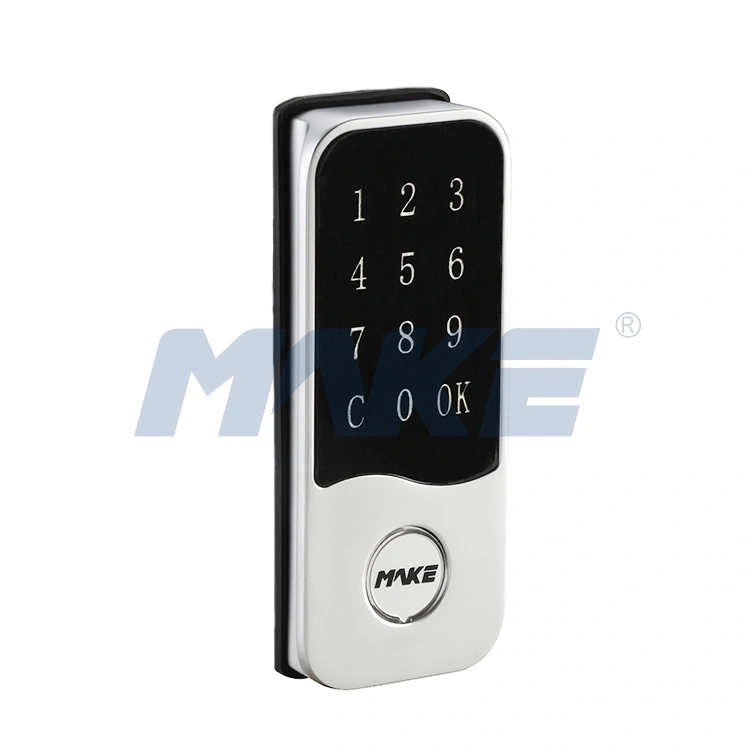
A digital locker lock is not a single component but a complete electronic system composed of several integrated parts that work together to ensure secure and reliable operation.
The authentication interface is the user interaction point of the system. It is responsible for collecting access credentials and initiating the unlocking process.
Common authentication methods include:
- Numeric keypad input (PIN code)
- RFID card or wristband scanning
- Mobile app-based Bluetooth or Wi-Fi access
- Biometric verification (fingerprint or facial recognition)
Each method offers a different balance of convenience, cost, and security level.
At the core of the digital locker lock is the control unit, typically built around a microcontroller or embedded processor. This unit processes authentication data and determines whether access should be granted or denied.
Advanced systems may include:
- Encrypted data processing
- Cloud-based access verification
- Multi-user authorization logic
- Real-time system diagnostics
The control unit acts as the "brain" of the system, ensuring accurate decision-making and secure operation.
Once authentication is approved, the locking mechanism is activated. This is typically achieved using:
- Electromagnetic solenoids
- Motor-driven latch systems
- Electronic strike plates
- Spring-assisted release mechanisms
These components physically unlock the locker door in response to electronic signals.
When the door is closed, the system automatically re-engages the lock, ensuring continuous security without manual intervention.
Digital locker locks require a stable and efficient power source. Common power options include:
- Replaceable batteries (alkaline or lithium)
- Rechargeable lithium battery packs
- Wired low-voltage DC power systems
- Energy-efficient hybrid power designs
Battery-powered systems are widely used due to their ease of installation and flexibility, especially in retrofit applications.
Modern digital locker locks often include communication capabilities such as:
- Bluetooth connectivity
- Wi-Fi integration
- RFID communication
- Cloud networking
These modules enable remote management, real-time monitoring, and system integration with broader facility management platforms.
The market for digital locker locks is diverse, offering multiple technologies tailored to different security needs and operational environments.
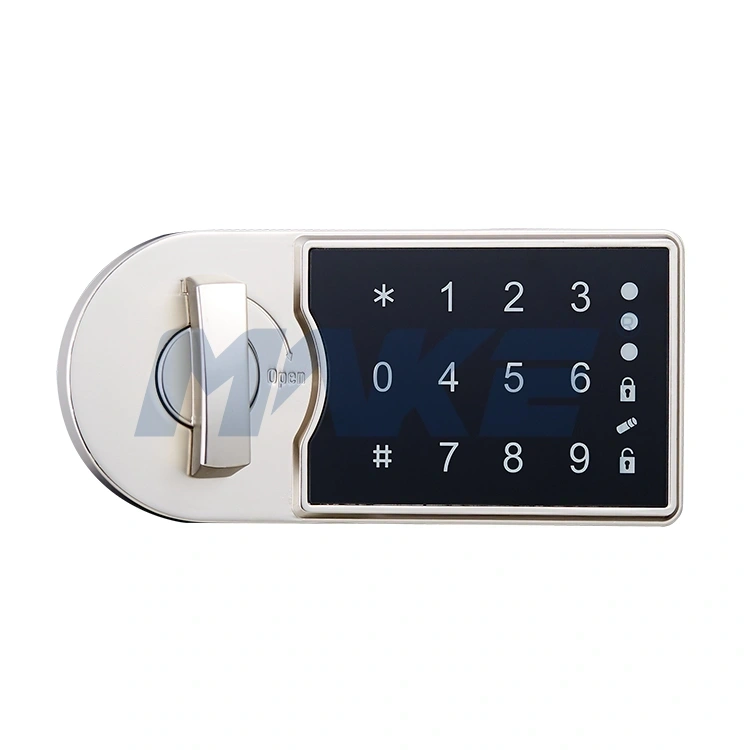
Keypad-based systems allow users to enter a numeric PIN code to unlock the locker.
Key Features:
- Simple operation
- No external credentials required
- Cost-effective solution
- Suitable for shared environments
Limitations:
- PIN sharing risk
- Requires periodic code updates
- Lower security compared to advanced systems
These systems are commonly used in schools, gyms, and low-security storage areas.
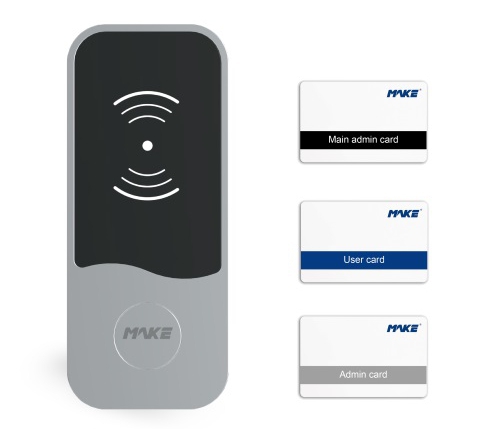
RFID-based systems use contactless identification cards, wristbands, or tags.
Key Features:
- Fast tap-and-go access
- Durable and low-maintenance
- Ideal for high-traffic environments
- Supports large user groups
Limitations:
- Credential management required
- Risk of lost or transferred cards
RFID systems are widely used in fitness centers, spas, offices, and public facilities.
Smartphone-enabled locker locks represent a more advanced solution, allowing users to unlock lockers via mobile applications.
Key Features:
- Remote access control
- Real-time usage tracking
- Flexible permission settings
- Integration with smart building systems
Limitations:
- Requires smartphone dependency
- Battery and connectivity considerations
These systems are increasingly popular in modern smart buildings and corporate environments.
Biometric systems use fingerprint, facial recognition, or other biological identifiers for authentication.
Key Features:
- Highest level of security
- No need for keys or cards
- Unique user identification
- Reduced risk of unauthorized access
Limitations:
- Higher installation cost
- Requires sensor maintenance
- Environmental sensitivity (dust, moisture, etc.)
These systems are commonly used in high-security or restricted-access environments.
Hybrid systems combine two or more authentication methods, such as:
- RFID + PIN code
- Fingerprint + mobile app
- Card + biometric verification
Advantages:
- Enhanced security layers
- Flexible access options
- Backup authentication methods
Hybrid systems are often used in critical infrastructure and enterprise environments.
Digital locker locks offer a wide range of benefits that make them superior to traditional mechanical systems.
Digital systems eliminate risks associated with physical keys, including duplication, loss, and unauthorized access. Advanced encryption and authentication protocols ensure secure access control.
Users no longer need to carry or manage physical keys. Access is simplified through PIN codes, cards, or mobile devices, significantly improving convenience.
Facility operators can manage all lockers through centralized software systems, allowing for:
- User assignment
- Access permission control
- Remote unlocking
- Usage monitoring
Although initial investment may be higher, digital locker locks reduce long-term costs by minimizing:
- Key replacement expenses
- Lock maintenance
- Manual administration workload
Dynamic locker assignment allows multiple users to share lockers efficiently, optimizing space usage in high-traffic environments.
Advanced systems provide detailed access logs, including:
- User identity
- Time of access
- Frequency of usage
This enhances accountability and security transparency.
Digital locker locks are widely adopted across multiple sectors due to their flexibility and scalability.
Secure member storage with fast RFID or keypad access.
Student lockers with simplified access management.
Employee storage, parcel lockers, and shared workspace systems.
Secure storage for staff belongings and medical supplies.
Tool storage, equipment lockers, and safety gear management.
Smart luggage lockers in airports, train stations, and malls.
When choosing a digital locker lock system, several factors must be evaluated:
- Required security level
- User volume and traffic frequency
- Installation environment (indoor/outdoor)
- Power supply and battery life
- System integration requirements
- Maintenance and serviceability
- Budget and long-term operational cost
A well-balanced selection ensures optimal performance and return on investment.
The digital locker lock industry is rapidly evolving, driven by smart building technologies and IoT integration. Key future trends include:
- Cloud-based access control systems
- AI-driven security analytics
- Mobile-first authentication ecosystems
- Ultra-low-power energy designs
- Integration with smart city infrastructure
- Predictive maintenance and self-diagnosis systems
As buildings become more intelligent, locker systems will evolve into fully connected smart storage networks.
Digital locker locks represent a major advancement in secure storage technology, replacing outdated mechanical systems with intelligent, flexible, and highly secure electronic solutions. By integrating digital authentication, remote management, and smart connectivity, these systems significantly improve operational efficiency and user experience.
With applications spanning education, healthcare, corporate environments, and public infrastructure, digital locker locks have become a foundational element of modern smart facilities. As technology continues to advance, they will play an increasingly important role in shaping the future of secure, connected, and efficient storage systems worldwide.