Choosing the Right Cam Lock A Complete Guide for Home, Office, and Industry
Security and convenience are key considerations in homes, offices, and industrial settings alike. From securing drawers and cabinets to protecting sensitive equipment, the mechanisms that keep our possessions safe are often overlooked. Among these mechanisms, cam locks stand out for their simplicity, versatility, and reliability. Whether you’re an office manager securing filing cabinets, a homeowner safeguarding personal items, or an engineer designing secure enclosures, cam locks provide a practical solution for controlled access.
This article explores the world of cam locks, examining their types, key features, selection criteria, and how they differ from similar devices like cam latches. By the end, you’ll have a thorough understanding of cam locks and how to choose the right one for your needs.
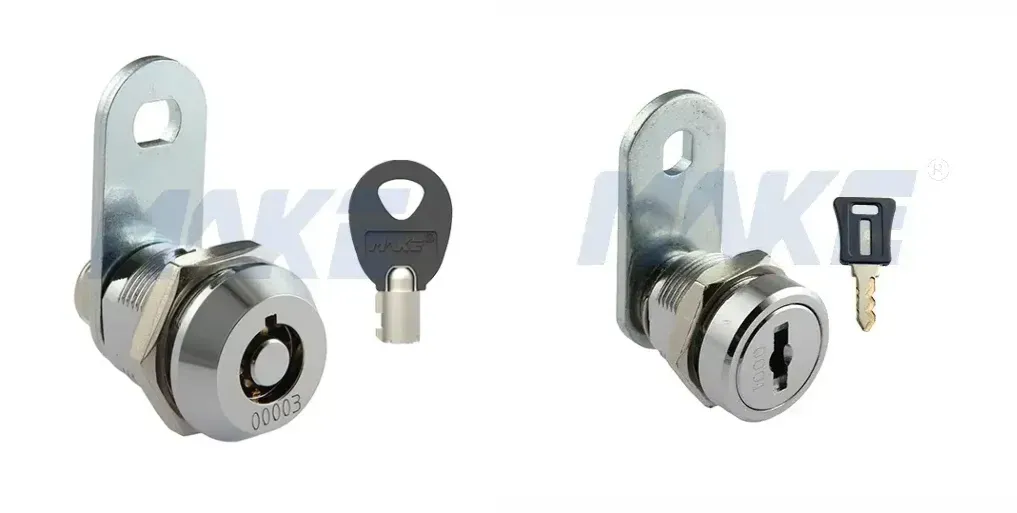
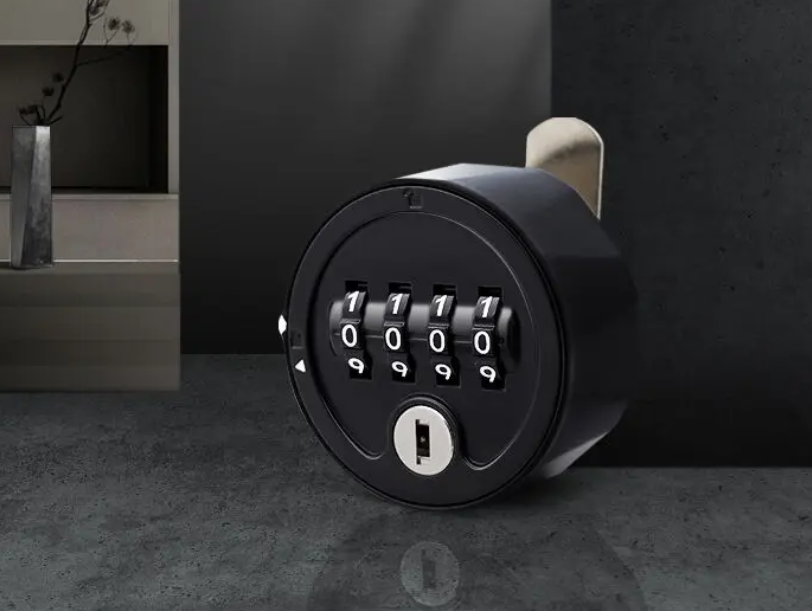
A cam lock is a type of locking mechanism commonly used to secure doors, drawers, panels, lockers, cabinets, and other types of enclosures. Its design is deceptively simple but highly effective. The cam lock consists of two main components:
Lock Body – This is the cylindrical part of the lock that houses the internal mechanism. It is installed into a pre-drilled hole in the door or panel.
Cam – A flat or angled metal piece attached to the rear of the lock body. When the key is turned, the cam rotates, engaging or disengaging with a catch or strike plate to lock or unlock the door or drawer.
Cam locks are valued for their ease of installation, compact design, and effectiveness in securing small to medium-sized enclosures. They are particularly popular in office furniture, vending machines, cabinets, electrical panels, and lockers.

Cam locks come in a variety of types, each tailored to specific security requirements and operational contexts. Understanding these variations helps in selecting the most appropriate lock for a given application.
Pin tumbler cam locks provide high security due to their complex internal structure. They contain several pins of varying lengths that must align perfectly with the key’s notches to rotate the cam. This reduces the risk of unauthorized access and makes them ideal for sensitive environments, such as:
Electrical enclosures
Server racks
Medical cabinets
High-value lockers
Their versatility and reliability make them one of the most commonly used cam locks in both commercial and industrial applications.
Wafer tumbler cam locks are simpler in design compared to pin tumbler locks, making them more cost-effective. They rely on flat wafers inside the lock cylinder, which must align with the key cuts to operate. While they offer moderate security, their affordability and ease of installation make them popular for:
Office furniture (desks, filing cabinets)
Toolboxes
Mailboxes
Display cases
Disc tumbler cam locks are designed for durability and resistance to weathering, making them suitable for outdoor applications. Their internal disc-shaped mechanism provides higher resistance to picking, drilling, and environmental damage. They are frequently used in:
Outdoor storage cabinets
Vending machines
Utility boxes
Gate locks
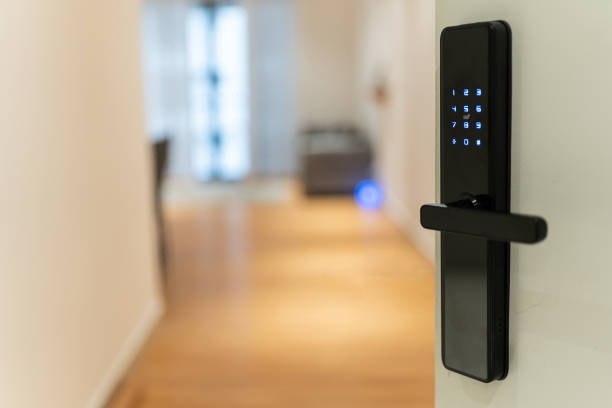
Keyless cam locks are convenient alternatives that operate via thumb turns, combination codes, or electronic access. They eliminate the need for physical keys while maintaining adequate security for moderate-risk applications. Typical uses include:
Office cabinets and lockers
Gym lockers
School storage units
Access panels requiring frequent entry
Keyless systems often incorporate digital coding mechanisms, allowing for temporary access codes and remote management.
Tubular cam locks feature a round key design, offering a higher level of security than standard flat keys. The tubular key engages pins arranged in a circular pattern, making it significantly harder to pick. Common applications include:
Vending machines
Gaming machines
Cash boxes
Secure enclosures in commercial environments
These locks are renowned for both their durability and tamper-resistant design.
Selecting the right cam lock requires careful consideration of security, durability, functionality, and compatibility. Here are the key factors to evaluate:
The primary purpose of any lock is to prevent unauthorized access. A lock’s security depends on its internal mechanism, including:
Pin or wafer arrangement
Spring tension and action
Lock cylinder complexity
For high-security applications such as server racks or medical cabinets, a pin tumbler or tubular cam lock may be the best choice.
Firmness refers to the lock’s resistance to external forces, such as tampering, prying, or impact. The material used in the lock’s construction (steel, brass, or zinc alloy) significantly affects firmness. Heavy-duty cam locks are recommended for industrial settings where exposure to physical stress is higher.
The function length of a cam is the distance it travels to engage or disengage. Choosing a cam with the correct function length ensures proper compatibility with your door, drawer, or panel. Too short or too long a cam may result in ineffective locking or difficulty in operation.
A lock’s service life depends on its construction materials and surface treatment. Stainless steel or brass locks with corrosion-resistant finishes are ideal for outdoor or high-moisture environments. Durability is also enhanced by quality manufacturing that prevents wear and tear on internal components.
The mutual opening rate measures the probability that one key can open multiple locks of the same type. Lower mutual opening rates indicate higher uniqueness and security. For applications requiring strict access control, selecting cam locks with low mutual opening rates is critical.
While “cam lock” and “cam latch” are sometimes used interchangeably, they are distinct hardware elements with different functions.
A cam lock is primarily a security device. It requires a key to operate, and only the correct key can rotate the cam to lock or unlock the enclosure. This makes cam locks suitable for applications where access control and protection are priorities, such as:
Electrical enclosures
Server cabinets
Medical storage units
Financial or sensitive filing cabinets
The key advantage of a cam lock is its controlled access, making it ideal for safeguarding valuable or confidential items.
A cam latch, also called a quarter-turn latch, is a fastening device designed to keep panels or doors closed rather than secure them against unauthorized access. Cam latches are often operated by hand or with simple tools (slotted or square drives) and may provide compression to create a tight seal against gaskets. Typical uses include:
Industrial enclosures
Machinery panels
HVAC access panels
Electrical panels requiring frequent inspection
Unlike cam locks, cam latches do not rely on a key and are not designed to prevent unauthorized access. They prioritize convenience, speed, and panel sealing rather than security.
Cam locks are versatile and appear in a wide range of settings:
Office Furniture – Desks, filing cabinets, and storage units often use cam locks to secure sensitive documents and personal items.
Vending Machines – Tubular cam locks prevent unauthorized access to cash compartments and product storage areas.
Electrical Cabinets – Pin tumbler cam locks ensure only authorized personnel can access electrical panels, protecting against accidental contact or tampering.
Medical Cabinets – Key-controlled cam locks help safeguard medicines, patient records, and sensitive instruments.
Retail and Commercial Applications – Display cases and kiosks use cam locks to secure merchandise without hindering visibility.
Outdoor Storage – Disc tumbler cam locks resist weathering and tampering, making them ideal for outdoor tool sheds, utility boxes, and gate locks.
Proper installation is essential to maximize the security and longevity of cam locks:
Select the Correct Hole Size – Ensure the lock body fits snugly into the pre-drilled hole.
Align the Cam – Adjust the cam length and angle to match the enclosure or panel’s strike plate.
Secure the Lock Nut – Tighten the retaining nut to prevent movement or loosening.
Test the Operation – Verify smooth rotation of the cam and proper engagement with the catch before putting the lock into service.
Regular maintenance prolongs the life of cam locks and ensures reliable operation:
Lubrication – Use graphite powder or silicone-based lubricant to keep the internal mechanism smooth.
Cleaning – Remove dust and debris from the cam and lock cylinder.
Inspection – Periodically check for wear, corrosion, or tampering.
Replacement – Replace worn or damaged locks promptly to maintain security.
Cam locks are a small yet vital component of security across a variety of applications. From office furniture to vending machines, medical cabinets, and industrial enclosures, these locks combine simplicity, reliability, and effectiveness. Understanding the different types of cam locks, key features, and proper selection criteria allows users to choose the right lock for their specific needs.
Whether you prioritize high security with a pin tumbler or tubular cam lock, convenience with a keyless system, or weather resistance with a disc tumbler lock, there’s a cam lock suited for your application. Distinguishing between cam locks and cam latches further ensures that you select the correct mechanism for security or access convenience.
By paying attention to material quality, cam function length, durability, and mutual opening rates, you can ensure that your cam locks provide long-lasting performance and peace of mind. With proper installation and maintenance, cam locks will remain reliable, safe, and effective for years to come.