Cam Lock Cylinders: A Reliable and Versatile Solution for Modern Security Needs
In an increasingly interconnected and equipment-driven world, the need for reliable, compact, and cost-effective locking solutions has never been greater. From office furniture and industrial enclosures to vending machines, data cabinets, and electrical panels, countless applications rely on simple yet dependable security mechanisms to protect assets and control access. Among the most widely used solutions is the cam lock cylinder—a small component with an outsized role in everyday security.
Cam lock cylinders have become a staple across industries due to their straightforward design, ease of installation, and adaptability to a wide range of use cases. Unlike complex multi-point locking systems, cam locks offer a balance between convenience and protection, making them ideal for applications where frequent access is required without compromising basic security standards. As materials, manufacturing techniques, and locking technologies continue to evolve, modern cam lock cylinders are now more durable, corrosion-resistant, and customizable than ever before.
This article explores what a cam lock cylinder is, how it works, the different types available, its key components, and the advantages that make it a preferred choice for both commercial and industrial applications.
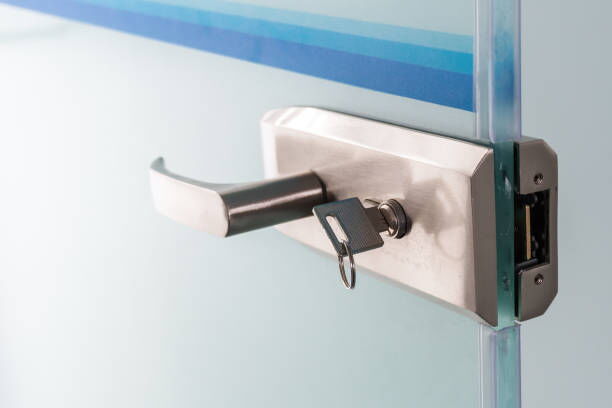
A cam lock cylinder is a compact mechanical locking device designed to secure doors, drawers, panels, and enclosures. It consists primarily of a cylindrical lock body and a cam—a flat or curved metal tailpiece attached to the rear of the cylinder. When the correct key is inserted and turned, the cam rotates, engaging or disengaging with a strike plate or locking surface to either secure or release the door or panel.
Despite its simple construction, the cam lock cylinder is remarkably versatile. It can be installed in metal, wood, or plastic surfaces and is suitable for both indoor and outdoor applications. This adaptability has led to its widespread use in furniture, lockers, mailboxes, vending machines, toolboxes, server racks, and electrical cabinets.
Cam lock cylinders are typically mounted through a pre-drilled hole and secured with a nut or clip from the rear, allowing for quick installation and replacement. Their compact size makes them ideal for space-constrained environments, while their mechanical reliability ensures consistent performance over long periods of use.
The operating principle of a cam lock cylinder is straightforward yet highly effective. When a key is inserted into the cylinder, it aligns the internal tumblers or pins, allowing the cylinder core to rotate. This rotation transfers motion to the cam attached at the back of the cylinder.
As the cam turns—usually by 90 or 180 degrees—it either moves into a locking position behind a frame or disengages to allow the door or drawer to open. The cam’s shape, length, and orientation determine how it interacts with the locking surface, making cam selection a critical factor in lock performance.
Because of their mechanical simplicity, cam lock cylinders are known for smooth operation, minimal maintenance requirements, and long service life. This makes them especially suitable for high-traffic applications where locks are frequently engaged and disengaged.
Cam lock cylinders are available in several configurations, each designed to meet specific functional and environmental requirements. Selecting the right type depends on factors such as access frequency, vibration exposure, and ease-of-use preferences.
Compression tubular cam locks are engineered for applications where vibration resistance and secure sealing are essential. In addition to rotating the cam, these locks apply a compressive force that pulls the door or panel tightly against its frame. This compression improves sealing performance and reduces movement, making these locks ideal for outdoor enclosures, industrial cabinets, and transportation equipment.
The compression action also helps absorb shocks and minimize rattling, which is particularly important in environments subject to constant vibration, such as machinery housings or mobile equipment. These locks often feature integrated gaskets or seals to enhance dust and moisture resistance.
Quarter-turn cam locks are designed for quick and convenient access. As the name suggests, the lock operates with a simple 90-degree turn of the key, allowing for fast opening and closing. This design is especially useful in applications requiring frequent access, such as service panels, inspection doors, and electrical enclosures.
Quarter-turn locks strike a balance between security and efficiency, providing sufficient protection while minimizing the time required for authorized users to gain access. Their intuitive operation also reduces wear on internal components, contributing to longer service life.
Tubular push locks offer an alternative locking method that emphasizes simplicity and ease of use. Instead of requiring a key turn to lock, these mechanisms engage automatically when the lock is pushed into place. Unlocking typically requires a key or release action, depending on the design.
Push locks are commonly used in office furniture, storage cabinets, and consumer products where quick, user-friendly operation is a priority. While they may not offer the same level of security as keyed cam locks, they are well-suited for low- to medium-security applications.
Understanding the core components of a cam lock cylinder helps explain why it is both reliable and adaptable across many industries.
The cam is the functional locking element attached to the rear of the cylinder. Typically made from steel or stainless steel, the cam rotates when the key is turned, engaging with a fixed surface to secure the door or panel.
Cams are available in various shapes, lengths, and offsets to accommodate different door thicknesses and mounting configurations. Some cams are straight, while others are bent or offset to achieve the desired locking geometry. The ability to customize the cam makes cam lock cylinders suitable for a wide range of applications.
The cylinder is the central housing of the lock, containing the internal locking mechanism. Inside the cylinder are pins or tumblers, springs, and the core, which interact with the key to control rotation.
Cylinders can be manufactured in different diameters and lengths to fit specific mounting requirements. They are also available in various materials, including zinc alloy, brass, and stainless steel, depending on the desired level of strength and corrosion resistance.
The key is a precision-cut metal component designed to match the internal configuration of the cylinder. Each key profile corresponds to a specific pin arrangement, ensuring that only authorized keys can operate the lock.
Cam lock cylinders can be supplied with unique keys, keyed-alike systems, or master key configurations. This flexibility allows organizations to manage access efficiently across multiple cabinets or enclosures.
Material selection plays a crucial role in the performance and longevity of cam lock cylinders. For standard indoor applications, zinc alloy or brass cylinders offer a cost-effective balance of strength and durability. For more demanding environments, stainless steel—such as SUS304 or SUS316—is often preferred.
Stainless steel cam lock cylinders provide excellent corrosion resistance, making them suitable for outdoor, marine, and industrial environments exposed to moisture, chemicals, or salt spray. Surface finishes such as chrome plating, black powder coating, or brushed stainless steel further enhance durability and aesthetics.
Cam lock cylinders offer several advantages that contribute to their widespread adoption across industries.
Modern cam lock cylinders can offer thousands of unique key combinations, significantly reducing the risk of unauthorized access. Many designs are compatible with padlocks or secondary locking mechanisms, further enhancing security where needed.
While cam locks are generally used for light to medium security applications, advances in cylinder design and key technology have improved resistance to picking and tampering.
High-quality cam lock cylinders are built to withstand repeated use over long periods. Stainless steel models, in particular, excel in harsh environments where corrosion, temperature fluctuations, and exposure to chemicals are common.
This durability reduces maintenance costs and extends service life, making cam locks a cost-effective security solution.
Compression-type cam locks often incorporate seals or gaskets that absorb vibration and reduce noise. This feature is especially valuable in industrial and transportation applications, where constant movement can lead to wear or rattling.
By maintaining a tight seal, these locks also help protect internal components from dust and moisture.
One of the greatest strengths of cam lock cylinders is their versatility. They are available in a wide range of sizes, materials, cam styles, and keying options, allowing them to be tailored to specific requirements.
Whether securing a small drawer or a large electrical cabinet, cam lock cylinders can be configured to meet both functional and aesthetic needs.
Cam lock cylinders are used in numerous industries due to their adaptability and reliability. Common applications include office furniture, filing cabinets, lockers, mailboxes, vending machines, server racks, electrical enclosures, control panels, and tool storage systems.
In industrial settings, they play a vital role in securing equipment housings and ensuring safe access to electrical and mechanical components. In commercial environments, they provide a practical solution for managing access to shared resources.
Cam lock cylinders remain one of the most practical and widely used locking solutions in today’s security landscape. Their simple design, ease of installation, and broad adaptability make them an ideal choice for a wide range of applications, from everyday furniture to demanding industrial enclosures.
As materials and manufacturing technologies continue to advance, cam lock cylinders are becoming more durable, secure, and versatile than ever before. By offering a reliable balance between convenience and protection, they continue to meet the evolving needs of modern infrastructure, equipment, and facilities—proving that even the simplest mechanisms can play a crucial role in effective security solutions.