Complete Guide to Combination Locks: How They Work and How to Choose
May 06, 2026 / Industry News / 127 views
As security needs continue to evolve across residential, commercial, and industrial sectors, the demand for reliable, user-friendly, and cost-effective locking solutions has grown significantly. Among the many options available, combination locks have established themselves as a versatile and practical choice for safeguarding assets without relying on traditional keys.
From school lockers and gym facilities to warehouses, tool cabinets, and transportation systems, combination locks are widely used due to their simplicity, flexibility, and dependable performance. Their keyless design eliminates common issues associated with physical keys, such as loss, duplication, and management complexity, making them particularly appealing in shared-access environments.
With continuous advancements in materials, engineering, and digital technologies, combination locks are no longer basic mechanical devices—they are evolving into sophisticated security solutions capable of meeting modern demands for convenience, durability, and enhanced protection.
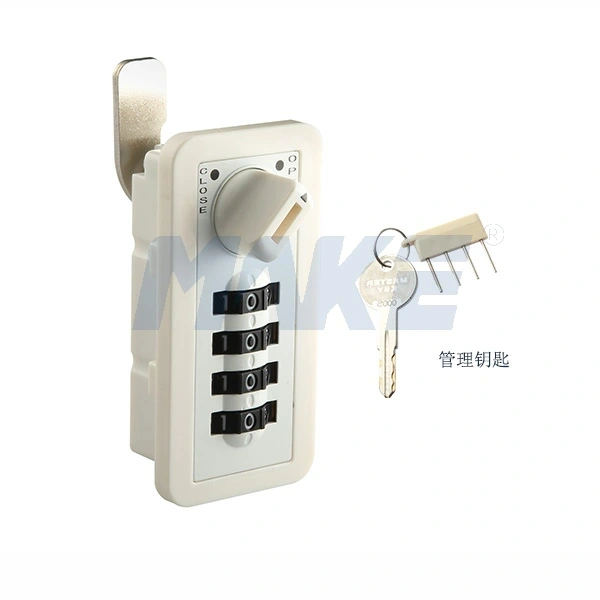
Combination locks are locking devices that operate using a predefined sequence of numbers, symbols, or inputs rather than a physical key. This sequence, known as a "combination," must be entered correctly to release the locking mechanism.
The appeal of combination locks lies in their simplicity and practicality. Users only need to remember a code, eliminating the need to carry or manage keys. This is especially beneficial in environments where multiple individuals require access to the same lock, such as shared workspaces, schools, and industrial facilities.
In addition to convenience, combination locks provide a strong level of security. Because there is no keyhole, they are less vulnerable to certain types of tampering, such as lock picking. At the same time, their internal mechanisms are designed to resist unauthorized manipulation, offering reliable protection for both personal and business assets.
The operation of combination locks is based on precise mechanical or electronic alignment systems that respond to user input.
Traditional combination locks use a system of internal components such as:
Each number in the combination corresponds to a specific position of these components. When the correct sequence is entered, all internal parts align simultaneously, allowing the lock to open.
The process typically involves:
This mechanism ensures that only the correct combination can unlock the device, providing a dependable level of security.
Modern electronic locks replace mechanical alignment with digital verification systems. These locks use:
When a user enters the correct code, the system verifies the input and triggers the unlocking mechanism electronically.
Electronic locks often include advanced features such as:
Combination locks are available in a variety of designs to suit different applications and user preferences.
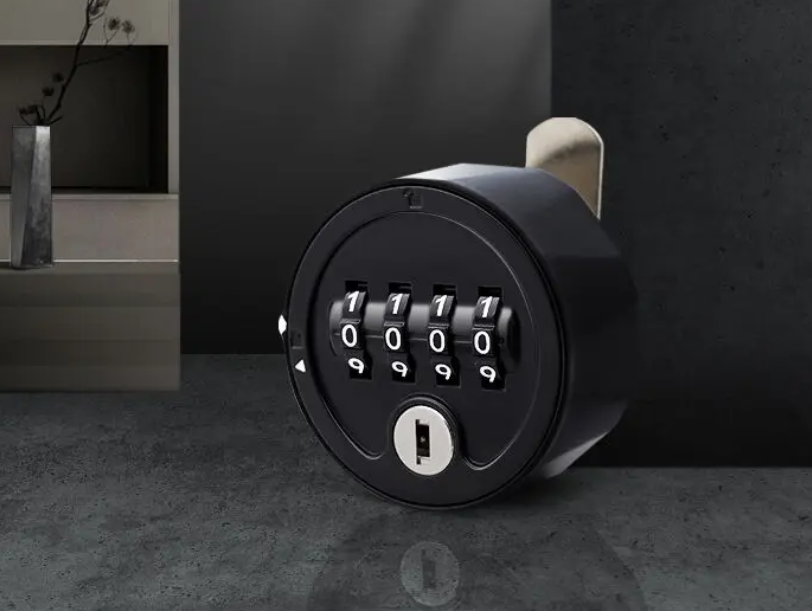
These locks feature a rotating dial and are commonly used in lockers and safes.
Characteristics:
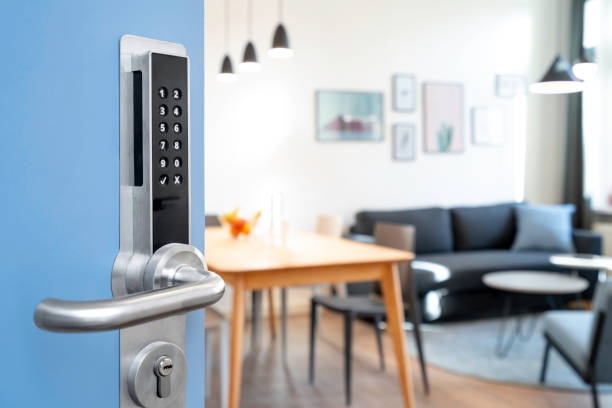
Push-button locks use a keypad interface for faster input.
Characteristics:
These locks allow users to change the combination as needed.
Characteristics:
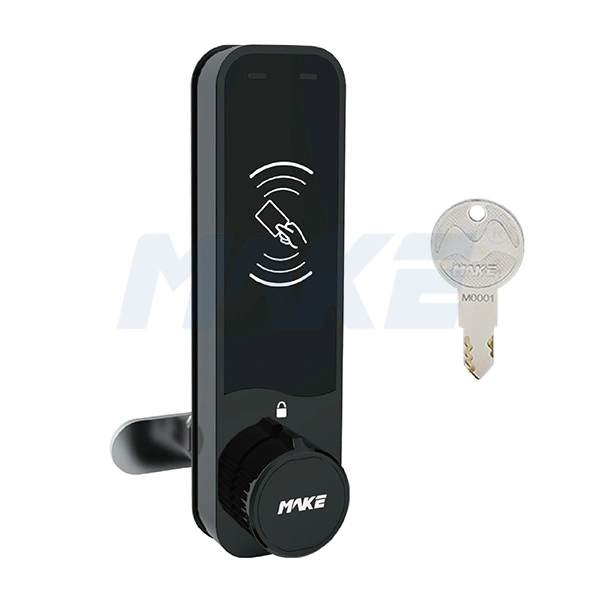
Advanced locks integrate digital technology for enhanced functionality.
Characteristics:
Combination locks offer a range of practical benefits that make them a preferred choice for both personal and professional security applications.
One of the most important advantages is keyless operation. Since no physical key is required, users eliminate common issues such as lost, stolen, or duplicated keys. This significantly improves security management and reduces the need for key tracking or replacement.
Another major benefit is convenience and accessibility. Users can quickly unlock secured items by entering a code, saving time and improving efficiency in daily use. This is especially valuable in busy environments where frequent access is required.
From a financial perspective, combination locks also provide cost savings. They reduce expenses related to key duplication, rekeying services, and replacement of lost keys, making them a cost-effective long-term security solution.
In addition, they support multi-user capability, allowing multiple individuals to access the same lock using a shared combination. This feature is particularly useful in workplaces, schools, and shared storage facilities where group access is necessary.
Finally, combination locks are highly versatile, making them suitable for a wide variety of applications such as lockers and cabinets, gates and fences, toolboxes and equipment storage, and luggage or travel security.
Selecting the appropriate combination lock requires careful consideration of specific needs and environmental conditions.
Choose locks with enhanced security features such as:
High-security locks are essential for protecting valuable or sensitive items.
The lock should be user-friendly, especially in environments with frequent access. Consider:
For outdoor applications, weather-resistant features are crucial. Look for:
Resettable locks provide flexibility, allowing users to update combinations for improved security or shared access.
The durability and reliability of combination locks depend heavily on material selection and manufacturing quality.
Common Materials
Surface Treatments
Protective finishes enhance:
Combination locks are widely used across multiple industries due to their adaptability.
Homeowners use combination locks for:
Businesses rely on combination locks for:
In industrial settings, combination locks secure:
Schools and gyms commonly use combination locks for lockers, providing convenient and secure storage.
Combination locks are used to secure cargo, containers, and delivery equipment, ensuring safe handling and transport.
To maximize the effectiveness of combination locks, users should follow best practices:
Avoid predictable patterns such as:
Periodic updates reduce the risk of unauthorized access.
Keep the code confidential and avoid sharing it unnecessarily.
Routine checks help identify wear or potential security issues.
The combination lock industry continues to evolve with advancements in technology.
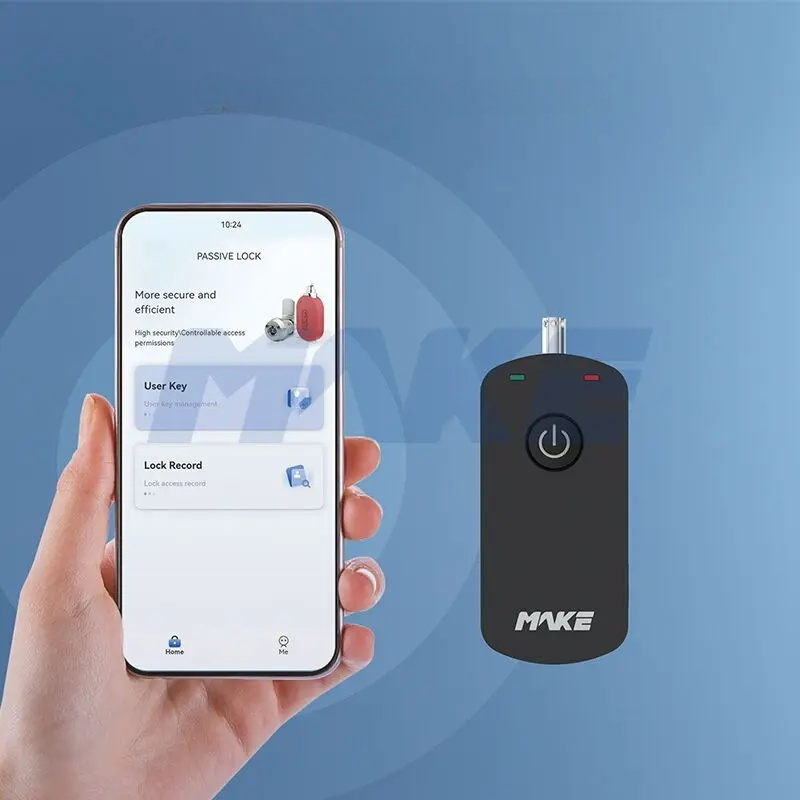
Modern locks can connect to mobile devices, allowing:
Some advanced systems combine combination codes with:
Internet-connected locks provide:
The global demand for combination locks is expanding due to several factors:
Manufacturers are responding with innovative designs, improved materials, and enhanced functionality.
Despite their advantages, combination locks face certain challenges:
Wear and Tear
Frequent use can lead to mechanical wear, affecting long-term performance.
Forgotten Combinations
Users may forget codes, requiring reset or replacement.
Inferior locks may be vulnerable to manipulation or forced entry.
Proper maintenance ensures optimal performance and longevity:
Keep locks clean and free of debris
Apply lubrication to moving parts when necessary
Avoid excessive force during operation
Store in dry environments when possible
Combination locks have become a cornerstone of modern access control, offering a practical blend of convenience, flexibility, and security. Their keyless design simplifies user experience while reducing the logistical challenges associated with traditional locking systems.
With continuous improvements in materials, engineering, and digital integration, combination locks are evolving to meet the demands of an increasingly security-conscious world. From simple mechanical devices to advanced smart systems, they provide scalable solutions for a wide range of applications.
As industries continue to prioritize efficient and reliable security solutions, combination locks will remain an essential tool for protecting assets and managing access in both everyday and specialized environments.