Furniture Drawer Locks Drive Innovation in Smart Furniture Security Solutions
In today's increasingly security-conscious world, the demand for reliable, compact, and efficient locking solutions for furniture has grown significantly across residential, commercial, and institutional sectors. Among these essential security components, the furniture drawer lock plays a critical role in safeguarding personal belongings, confidential documents, and valuable assets stored in everyday furniture systems.
Although small in size, furniture drawer locks provide a powerful layer of protection against unauthorized access. They are widely installed in office desks, filing cabinets, home storage units, hospital furniture, school lockers, and retail counters. As modern lifestyles continue to emphasize privacy, organization, and security, these locking systems have evolved from simple mechanical devices into more advanced, durable, and even smart-enabled solutions.
The global furniture hardware industry is witnessing steady growth, and drawer lock technology is advancing alongside trends in smart homes, digital offices, and modular furniture design. Manufacturers are now focusing on improving durability, precision engineering, aesthetic integration, and enhanced security performance.

Furniture drawer locks have become an indispensable part of modern storage solutions due to the increasing need for privacy and controlled access. In both personal and professional environments, they serve as the first layer of protection for sensitive and valuable items.
In offices, drawer locks are used to secure:
- Confidential documents and legal papers
- Employee records and HR files
- Financial statements and accounting materials
- Digital storage devices such as USB drives and external disks
In homes, they help protect:
- Jewelry, cash, and personal valuables
- Private documents such as passports and certificates
- Medication and sensitive household items
In healthcare environments, drawer locks are essential for:
- Medical supplies and controlled substances
- Patient records and confidential files
- Emergency equipment storage
In educational and public facilities, they ensure:
- Student personal belongings
- Examination materials
- Institutional documents and supplies
As shared spaces become more common, especially in coworking offices and multi-user environments, the need for secure and accessible storage has made furniture drawer locks a standard requirement rather than an optional feature.
The furniture drawer lock industry offers a wide range of locking mechanisms designed to meet different levels of security, functionality, and furniture design requirements. Each type of lock provides specific advantages depending on usage conditions.
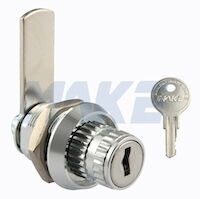
Cam locks remain one of the most popular solutions in furniture locking applications due to their simplicity, affordability, and reliability. They operate through a rotating metal cam attached to the lock cylinder, which secures the drawer when turned.
Key Characteristics:
- Compact and easy-to-install design
- Suitable for wood, metal, and composite furniture
- Available in keyed-alike or keyed-different systems
- Low maintenance and cost-effective
Applications:
Cam locks are commonly used in:
- Office desks and filing cabinets
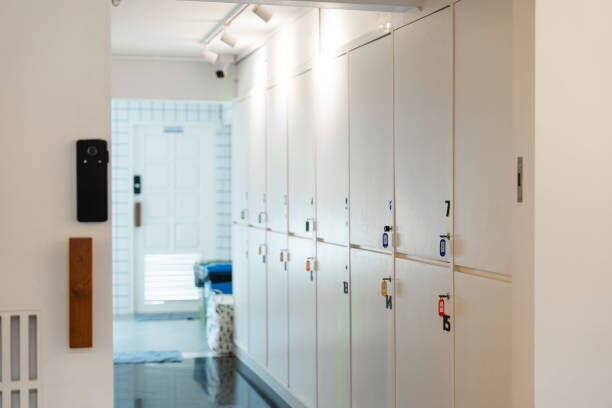
- Mailboxes and lockers
- Retail furniture displays
- Light commercial storage units
Their versatility and ease of integration make them a standard choice for furniture manufacturers worldwide.
Slide bolt locks provide a stronger mechanical locking structure compared to cam locks. They operate by physically sliding a bolt into a locked position, preventing drawer movement.
Key Characteristics:
- High mechanical strength and durability
- Resistant to forced opening and tampering
- Suitable for thicker and heavier drawers
- Long service life under frequent use
Applications:
- Industrial storage furniture
- Workshop cabinets
- Warehouse drawers
- Utility and maintenance storage systems
Slide bolt locks are often chosen in environments where physical security strength is prioritized over convenience.
Key locks are traditional but highly effective locking systems widely used in environments requiring controlled access and higher security levels.
Key Characteristics:
- Strong access control system
- Supports master key and sub-key systems
- Compatible with various furniture materials
- Reliable for long-term usage
Applications:
- Corporate office storage systems
- Government and administrative furniture
- Healthcare and laboratory storage units
- Educational institution cabinets
Key locks remain a preferred choice where accountability and restricted access are essential.
In addition to traditional mechanical systems, newer lock types are gaining popularity:
- Combination locks (password-based access)
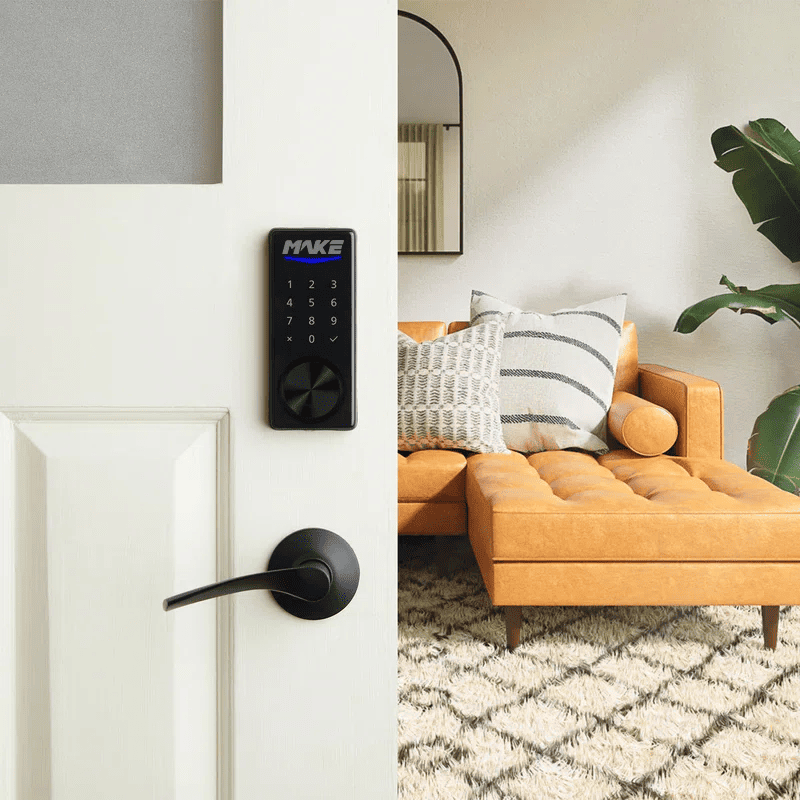
- Electronic keypad locks
- RFID-based drawer locks
- Bluetooth and mobile app-controlled locks
These systems are increasingly used in modern office furniture and smart home environments, offering enhanced convenience and eliminating the need for physical keys.
The performance, reliability, and lifespan of furniture drawer locks depend heavily on the materials and manufacturing precision used in production.
Common materials include:
- Zinc Alloy: Widely used for lock bodies due to corrosion resistance and cost efficiency
- Stainless Steel: Provides superior strength and long-term durability
- Brass Components: Ensures smooth mechanical operation and precision fitting
- Hardened Steel Parts: Used in high-security applications for anti-tampering protection
Surface finishing technologies also play an important role in improving product performance and appearance:
- Nickel plating for corrosion resistance
- Chrome coating for aesthetic enhancement
- Powder coating for durability and scratch resistance
High-quality manufacturing requires precise machining tolerances. Even minor deviations can affect lock alignment, smooth operation, and overall security performance. Therefore, modern production lines rely heavily on automated CNC machining and strict quality inspection systems.
Proper installation is one of the most important factors influencing the effectiveness of furniture drawer locks. Even high-quality locks may underperform if installed incorrectly.
Before installation, it is essential to match the lock type with the application:
- Cam locks for light-duty office furniture
- Slide bolt locks for heavy-duty storage
- Key locks for controlled access environments
Other factors include drawer thickness, material type, and frequency of use.
Precision is critical during installation. Incorrect alignment can lead to operational failure or reduced lifespan.
Recommended practices:
- Measure installation points carefully
- Mark drilling locations before cutting
- Ensure alignment with strike plates or locking points
During installation:
- Use appropriate drill sizes for lock cylinders
- Avoid over-tightening screws that may deform materials
- Ensure lock body sits flush with furniture surface
A secure fit ensures smooth operation and prevents long-term loosening.
After installation, testing is essential:
- Rotate key or cam multiple times
- Check smooth locking and unlocking
- Ensure no resistance or misalignment
- Verify secure engagement of locking mechanism
This step ensures reliability before daily use.
Although furniture drawer locks are generally low-maintenance, periodic care significantly improves performance and longevity.
Recommended maintenance practices include:
- Applying light lubricant to internal mechanisms
- Cleaning dust and debris from keyholes and cams
- Checking screws and fittings for loosening
- Replacing worn keys or damaged components promptly
In high-use environments such as offices or hotels, scheduled maintenance helps prevent unexpected lock failures and ensures continuous security.
Furniture drawer locks are used across a wide range of industries due to their adaptability and functionality.
Used in desks, cabinets, and storage units for document security and personal item protection.
Installed in home furniture to secure valuables, private documents, and medications.
Used for medical storage, patient records, and controlled access areas.
Essential for lockers, desks, and administrative storage systems.
Used in hotel furniture for guest security and staff storage systems.
Protect cash drawers, inventory records, and display cabinets.
The furniture lock industry is undergoing rapid transformation driven by smart technology, digitalization, and user demand for enhanced convenience.
Modern furniture locks increasingly incorporate:
- RFID access cards
- Bluetooth-enabled unlocking systems
- Mobile app-based control
- Password and biometric authentication
These innovations eliminate traditional key dependency and improve access management.
Manufacturers are developing smaller, more aesthetically integrated lock systems that blend seamlessly with modern furniture designs without affecting appearance.
Advanced anti-tampering technologies include:
- Anti-drill lock cylinders
- Reinforced locking bolts
- Hidden mounting structures
- Pick-resistant key systems
These improvements significantly increase security performance.
Sustainable production practices are becoming more important, including:
- Recyclable metal materials
- Reduced waste manufacturing processes
- Energy-efficient production lines
CNC machining, robotic assembly, and automated testing systems are improving consistency, reducing defects, and increasing production efficiency.
Despite strong growth, the furniture drawer lock industry faces several challenges:
- Price competition from low-cost manufacturers
- Counterfeit and low-quality products in global markets
- Compatibility issues with modern modular furniture
- Balancing cost efficiency with advanced security features
Manufacturers must continuously innovate to maintain competitiveness and meet evolving customer expectations.
The future of furniture drawer locks is closely linked to smart home ecosystems and digital security systems. As furniture becomes more intelligent and connected, locking systems will evolve into integrated security components.
Future developments are expected to include:
- Fully biometric furniture access systems
- AI-based user behavior recognition for security
- Cloud-connected access control systems
- Integration with smart home platforms and IoT networks
These innovations will transform drawer locks from simple mechanical devices into intelligent security solutions capable of real-time monitoring and control.
Furniture drawer locks remain a fundamental component of modern furniture security systems, providing essential protection for personal, professional, and institutional environments. From traditional cam locks and slide bolt systems to emerging smart locking technologies, the industry continues to evolve rapidly in response to global security demands.
As technology advances, furniture drawer locks will become more intelligent, durable, and integrated into digital ecosystems, ensuring higher levels of convenience and protection. Their role in safeguarding everyday life will continue to grow, making them an indispensable element of modern furniture design and security infrastructure.