Passive NFC Smart Lock Systems Explained: A Complete Industry Guide
In an increasingly connected world, the way we secure spaces is rapidly evolving. From traditional mechanical keys and PIN codes to Bluetooth, Wi-Fi, and biometric systems, modern access control has gone digital. Among these innovations, Passive NFC Smart Locks are emerging as one of the most compelling technologies for residential, commercial, and hospitality applications. They combine convenience, affordability, robust security, and seamless user experience — without the need for batteries, Bluetooth pairing, or complex setup.
As the smart lock market expands, passive NFC technology stands out as a powerful solution that simplifies access while heightening reliability. This article explores what passive NFC smart locks are, how they work, key advantages, real-world applications, challenges, and why they are poised to transform the future of secure access.
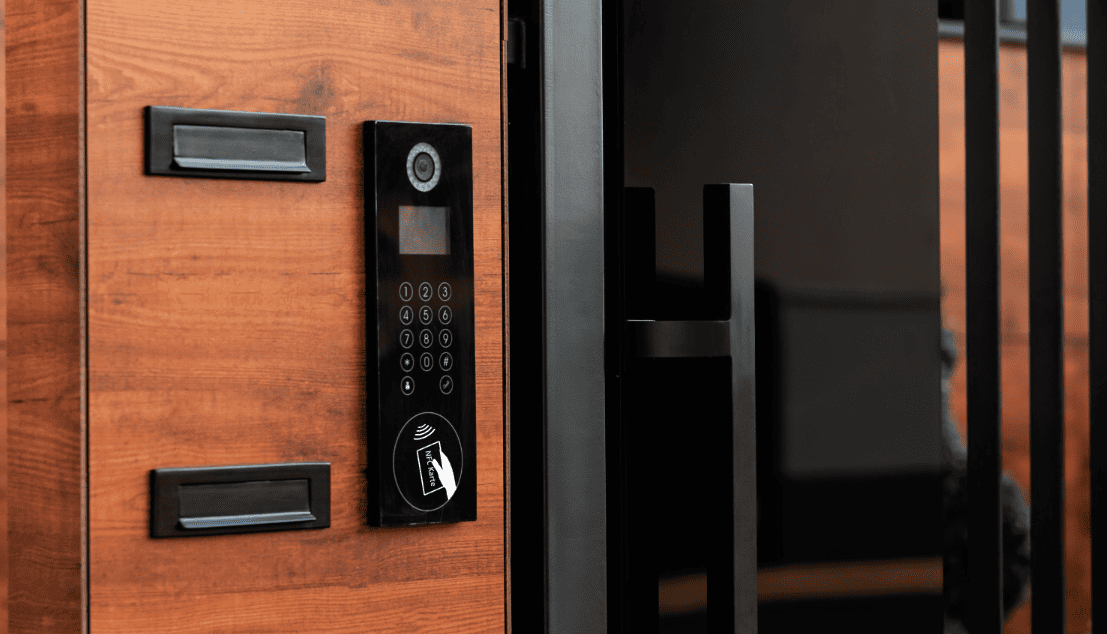
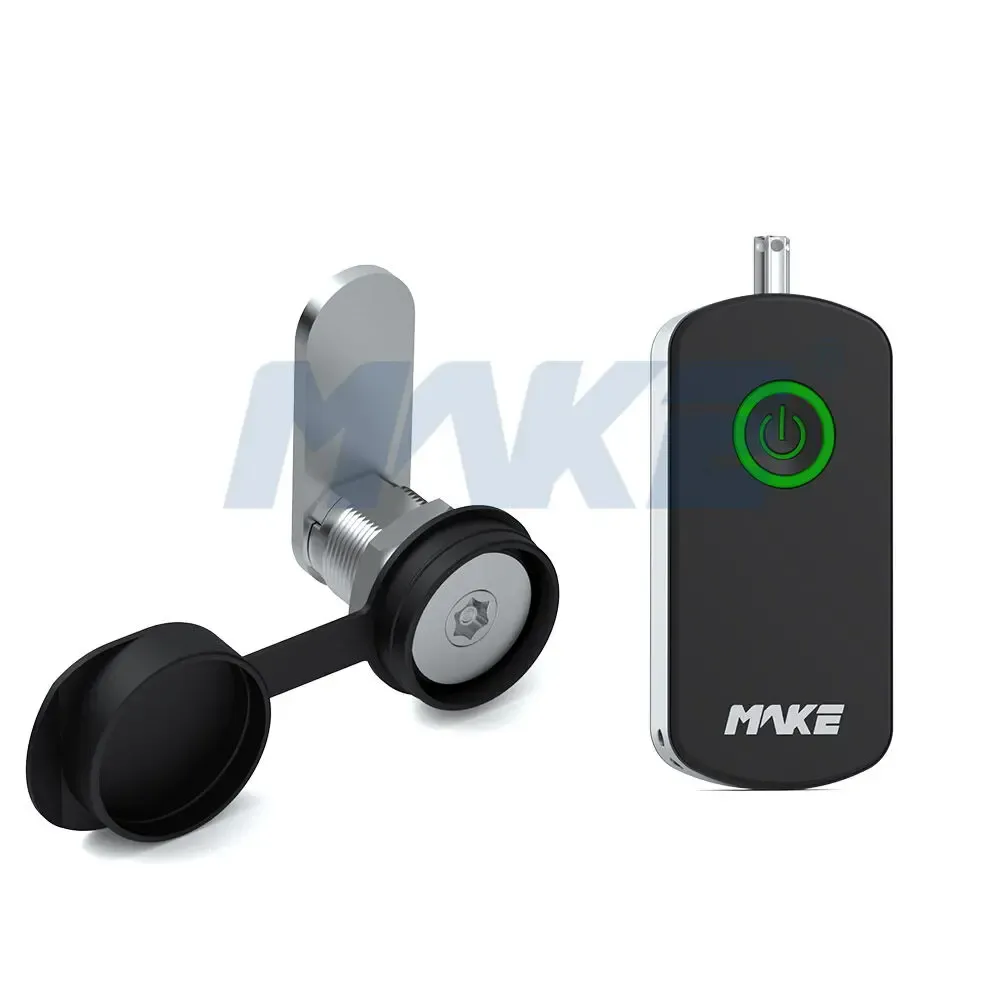
Passive NFC Smart Locks are electronic locking systems that use Near Field Communication (NFC) technology to grant access. Unlike active NFC or Bluetooth systems that rely on battery-powered devices, passive NFC locks are energized by the NFC reader in the lock itself. When an NFC-enabled device (such as a smartphone, NFC card, or key fob) comes near the lock, radio waves emitted by the lock power the tag in the credential and enable communication. If the credential is authorized, the lock opens.
Because passive NFC tags don't need their own power source — and because the locks can operate without complicated wireless connections — passive NFC smart locks are highly efficient, reliable, and cost-effective.
To fully understand the impact of passive NFC smart locks, it helps to look at how this technology functions:
The NFC reader embedded in the lock emits a low-power radio frequency field. This field can both detect nearby NFC tags and send power to them.
The credential — whether an NFC card, key fob, or smartphone with NFC support — does not contain a power source. Instead, it uses the energy from the lock’s NFC field to activate and transmit data.
Once the passive NFC credential is energized, it communicates with the lock using standardized protocols (such as ISO/IEC 14443). The lock receives the credential’s unique ID or encrypted data.
The lock compares the received credential to authorized profiles stored in its internal memory or on a connected access management system. If there’s a match, the lock actuates and permits entry.
Smart locks typically provide visual (LED) or audio feedback to confirm successful authentication or denial of access.
This process happens in a matter of milliseconds, making passive NFC access nearly instantaneous for users.
Passive NFC smart locks require minimal energy because they do not depend on continuous wireless communication like Wi-Fi or Bluetooth. This translates to longer lifespan, low maintenance, and compatibility with battery-free hardware designs.
NFC communication occurs at very close range (usually under 4 cm), making it extremely difficult for unauthorized parties to intercept signals. Many passive NFC systems also support encryption standards and secure credential formats, reducing the risk of cloning or spoofing.
Users simply tap or hold their credential near the lock. There’s no need to open an app, pair a device, enter a PIN, or connect to a network. This convenience is especially valuable in high-traffic environments such as hotels, offices, or shared residential spaces.
Passive NFC smart locks can often work with widely used credential formats like MIFARE, NTAG, or even smartphone wallets with NFC emulation. This flexibility reduces the need to issue proprietary keys.
Because passive NFC systems avoid complex wireless modules, cloud subscriptions, and frequent battery replacements, they tend to be more affordable — both upfront and over the long term.
From a single residential door to enterprise-wide deployments, passive NFC smart lock systems can scale easily. Access permissions can be updated centrally, and credentials can be managed efficiently.
To better understand the technology, it’s useful to break down the key components that make up a passive NFC smart lock system:
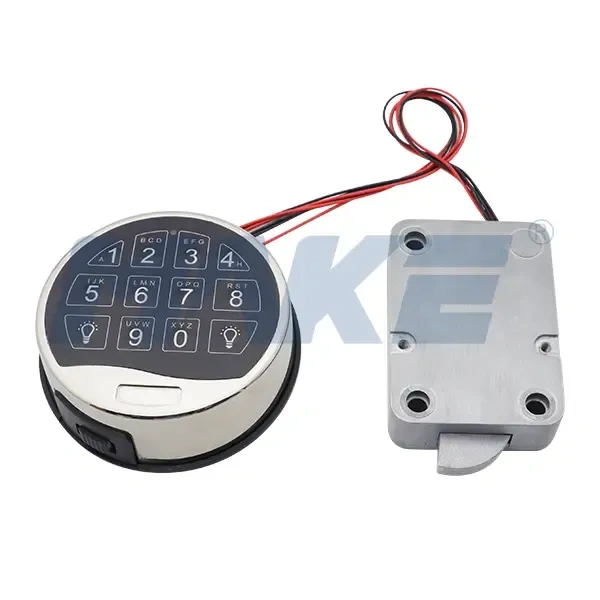
This is the heart of the system. The reader emits radio frequency signals, detects credentials, and communicates with the lock’s control board.
Responsible for physically engaging or disengaging the lock. Most systems use electronic strikes, motorized deadbolts, or solenoids.
The brain of the lock, it processes NFC data, checks access credentials, and triggers the appropriate response (open/reject).
These include NFC cards, key fobs, wristbands, or mobile devices with NFC capability. Each credential carries unique identification data used for authentication.
Especially in commercial settings, administrators use software to assign credentials, set access schedules, and control permissions.
Passive NFC locks require minimal power. Some run off standard low-voltage power, while others may leverage energy harvesting solutions or very low-power microcontrollers.
Passive NFC smart locks can serve a wide range of environments — each with unique advantages and implementation considerations.
In apartments, condos, and single-family homes, passive NFC locks provide keyless entry without the hassle of mechanical keys. Homeowners can grant access to family members, guests, or service providers simply by issuing an NFC credential.
Hotels and resorts have been early adopters of NFC technology for guest room access. Passive NFC smart locks enable seamless check-in experiences and reduce the need for physical keys, increasing security and guest satisfaction.
In offices and shared workspaces, passive NFC access allows employers to manage entry for employees, contractors, and visitors. With centralized credential control, access rights can be updated immediately when roles change.
Dormitories and student apartment complexes benefit from robust NFC access control. Lost keys can be quickly deactivated, and administrators can customize permissions by room, building, or floor.
Clinics and hospitals require strong access control for patient areas, pharmacies, and staff-only zones. Passive NFC locks provide secure, auditable access without complex network requirements.
From stores to warehouses, passive NFC smart locks support simplified entry for employees while protecting sensitive areas.
Multi-Tenant and Co-Living Spaces
In co-living developments where tenants rotate or change frequently, passive NFC systems allow administrators to manage credentials dynamically without rekeying physical locks.
Security is at the core of any access control system, and passive NFC smart locks offer multiple layers of protection:
Because NFC only works at very short distances, the risk of remote signal interception is minimal.
Many passive NFC implementations support standard encryption protocols, making it difficult for unauthorized users to duplicate credentials.
Each NFC credential has a unique ID, which can be tied to user profiles, access rights, and usage logs.
Smart lock hardware often includes tamper sensors or alerts that notify administrators if the device is being manipulated.
With integrated access management software, every entry attempt (successful or denied) can be logged, providing accountability and traceability.
One of the strongest selling points of passive NFC smart locks is the user experience:
- No Pairing or Setup: Users don't need to pair devices or configure apps.
- Instant Access: A tap or hold of the credential is enough.
- Familiar Interface: NFC-enabled smartphones or cards feel natural to users.
- No Battery Anxiety: Because the credential doesn't rely on its own power source, users avoid dead keys or unexpected lockouts.
This simplicity drives higher adoption rates and fewer support requests from end users.
Installing a passive NFC smart lock is generally simpler than complex wireless systems, but there are several considerations:
Smart locks must fit the existing door hardware. Some systems are retrofits that replace existing deadbolts, while others are integrated into new installations.
Although passive NFC systems are low-power, they still require a power source. This may involve low-voltage wiring or integration with building electrical systems.
Credentials must be registered in the system and linked to user profiles. This process is usually done through desktop or mobile management software.
Administrators need to set permissions, schedules, and zones (e.g., who can access which doors and when).
In enterprise contexts, NFC locks may integrate with elevator access, time attendance systems, or visitor management platforms.
While passive NFC smart locks offer significant advantages, there are also challenges to consider:
Not all NFC standards are universally compatible. It’s important to choose a system that supports widely accepted formats or offers flexibility.
Though secure electronically, the mechanical strength of the lock hardware still matters. High-security installations should pair NFC access with robust physical lock mechanisms.
Some users may initially be unfamiliar with passive NFC tap-to-open behavior, especially older users or those accustomed to keys.
In large deployments, credential and policy management requires planning and potentially dedicated administrative resources.
Legacy systems or custom building management platforms may require careful integration planning.
The evolution of passive NFC technology is driving exciting developments in access control:
More smartphones now support NFC credential emulation in secure elements — meaning users can store access keys in mobile wallets for tap-to-open access without physical cards.
Passive NFC can be combined with biometric confirmation or PIN codes for enhanced security in sensitive environments.
Cloud platforms allow centralized control, remote credential provisioning, and real-time analytics for facility managers.
As buildings become smarter, passive NFC locks can integrate with lighting, HVAC, and security systems to create responsive environments.
New hardware designs are exploring energy harvesting to make locks even more power-neutral, reducing environmental impact and maintenance.
Hospitality Sector
Hotels that adopt passive NFC smart locks eliminate the need for magnetic stripe key cards, reduce replacements, and provide guests with intuitive tap-to-open experiences.
Corporate Campuses
Offices using NFC access have fewer help desk requests for lost keys and enjoy granular control over employee access zones based on schedules and roles.
Student Housing
Campus residences using passive NFC achieve rapid onboarding each semester and reduce security risks associated with physical keys.
Co-Living Urban Developments
In shared living spaces, NFC credentials allow residents to access multiple buildings and common areas through a single credential, simplifying life while improving community security.
Passive NFC smart locks represent a powerful convergence of simplicity, security, and scalability in access control. By leveraging short-range communication, low power requirements, and intuitive user interaction, they outperform traditional mechanisms and many competing digital technologies — especially in environments where reliability and ease of use matter most.
From homes to hotels, from offices to student residences, passive NFC smart locks are redefining how people interact with the spaces they inhabit. As the technology continues to evolve, supported by mobile integration, cloud management, and IoT connectivity, NFC access solutions are becoming a cornerstone of modern access control strategy.
For businesses, property managers, and tech innovators, the opportunity is clear: embrace passive NFC smart locks not just as a security upgrade, but as a pathway to smarter, more user-centric environments.