How to Choose the Best Locker Lock for Your Needs: Types, Tips, and Best Practices
Locker locks play an essential role in keeping personal items secure in various settings, from schools and gyms to workplaces and manufacturing plants. They are designed to provide a secure barrier against unauthorized access while remaining convenient for everyday use. This article delves into the importance of locker locks, the various types available, how to select the right one for your needs, and the best practices for ensuring security.
A locker lock serves one primary function: to ensure the locker remains securely closed until the authorized individual opens it. Locker locks are designed to fit compact spaces, typically installed on thin metal or laminate locker doors, and are often found in places with high foot traffic such as schools, gyms, public lockers, and factory floors.
Unlike regular door locks, locker locks are built to withstand constant use, offering durability and ease of management. Whether the lock can be opened with a key, code, card, or even a personal padlock, the core goal is to balance security with convenience. Most locker locks are simple to maintain, allowing quick fixes, easy replacement of cores, or resetting of codes without replacing the entire lock.
While locker locks need to be strong enough to prevent casual theft, they also need to be simple enough for daily use. Whether the lock resists rust, resists damage, or allows a user to quickly change a battery, their design ensures that lockers remain secure but accessible.
There are several types of locker locks, each suited for different environments and levels of security. Here's a rundown of the most common types:
Padlocks are the most traditional and widely used type of locker lock. They come in various sizes and are often used in settings where the locker will be opened and closed by different individuals. Padlocks are either key-operated or combination-based.
- Combination Padlocks: These locks are convenient for use in places like schools or gyms, where lockers are shared among multiple people. However, they require regular resetting to maintain security and ensure the combination isn’t easily guessed.
- Key Padlocks: These locks are ideal for private or secure locker systems. The key can be assigned to an individual or a group of authorized users.
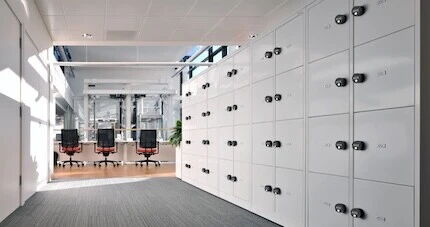
Built-in locks are commonly found in lockers in gyms, schools, and workplaces. These locks come pre-installed into the locker's structure and are operated either by a key or a code.
- Key-Based Built-In Locks: These locks are easy to manage and can be opened by authorized personnel with the proper key.
- Combination-Based Built-In Locks: Some lockers come with combination locks that are easy to operate and can be reset when needed.
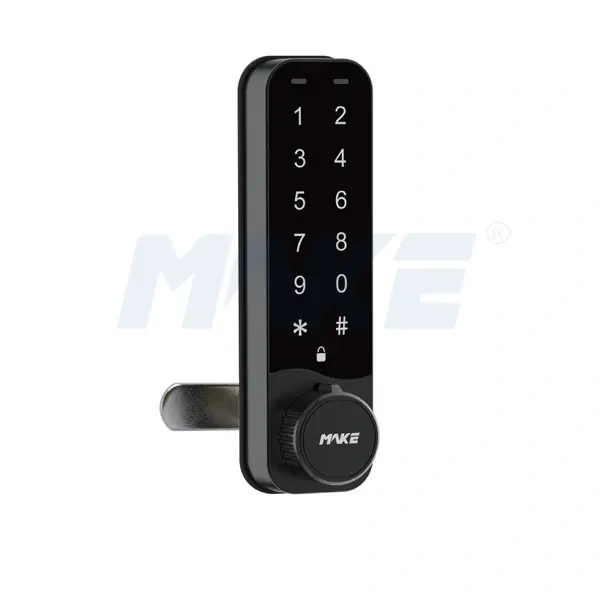
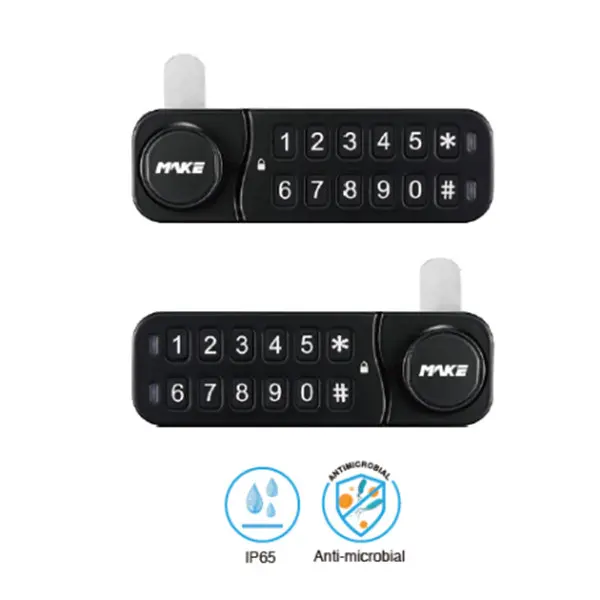
Digital or electronic locks have been gaining popularity due to their keyless entry features. These locks use codes, PINs, or even biometric scans for access.
- PIN Code Locks: Users can unlock lockers by entering a secure PIN code.
- Biometric Locks: Some high-security lockers use fingerprint scans or facial recognition for access.
Digital locks offer the benefit of eliminating the need for physical keys, making them more convenient for places with high user turnover, such as gyms or shared offices. Additionally, they often come with features like tracking access logs and automatic locking after a set period.
When choosing a locker lock, several factors should be considered to ensure you select the right one for your needs. From the environment to the security level, here are key considerations to help guide your decision.
The first step in choosing the right locker lock is understanding your security requirements. The environment in which the locker is located can significantly impact your choice.
- Schools and Gyms: These environments require locks that offer both durability and convenience. Often, combination or digital locks are preferred due to ease of use and the ability to quickly change the codes.
- Workplaces and Industrial Settings: In these locations, the focus is typically on durability and security. Built-in or electronic locks might be more suitable depending on the value of the items stored in the lockers.
Assess your environment carefully and decide on the type of lock that best suits your daily needs.
The materials and construction of the locker lock are crucial factors in its longevity. Look for locks made from hardened steel or brass for superior resistance to tampering, cutting, and rust.
- Stainless Steel Locks: Ideal for outdoor or weather-prone environments due to their corrosion resistance.
- Brass Locks: Great for indoor use, as they provide a sturdy construction and long-lasting performance.
The lock should be able to withstand constant usage, environmental factors, and potential wear-and-tear.
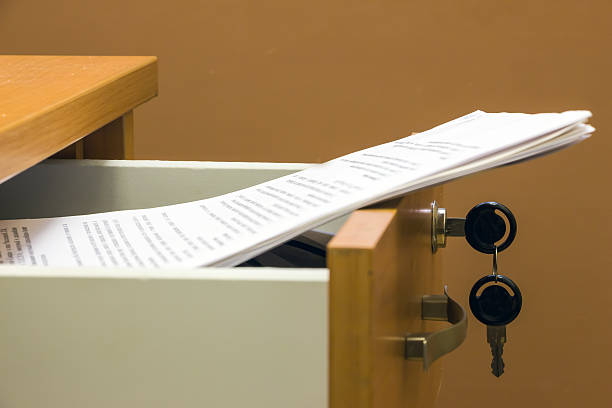
For key-operated locks, ensure that you have a spare key readily available in case the original one is lost. Some locker systems, particularly in public facilities, provide master keys to staff for emergencies.
- Spare Keys: Always keep a backup key in a safe location.
- Key Duplication: Ensure keys are distributed only to authorized personnel to maintain security.
If you're opting for a combination lock, consider the following:
- Regular Code Changes: Change the combination periodically to enhance security.
- Code Management: Ensure that the combination is not shared with unauthorized individuals and is kept secure.
When choosing a digital lock, make sure the PIN code is unique and difficult to guess. Regularly changing the code will further enhance security. Additionally, it's essential that the lock has a backup access method (such as a mechanical key) in case the digital lock's battery dies or malfunctions.
To further enhance locker security and ensure that your belongings stay safe, follow these key tips:
Lockers placed in poorly lit areas are more likely to be targeted by thieves. Whenever possible, select a locker located in a well-lit area to deter criminals.
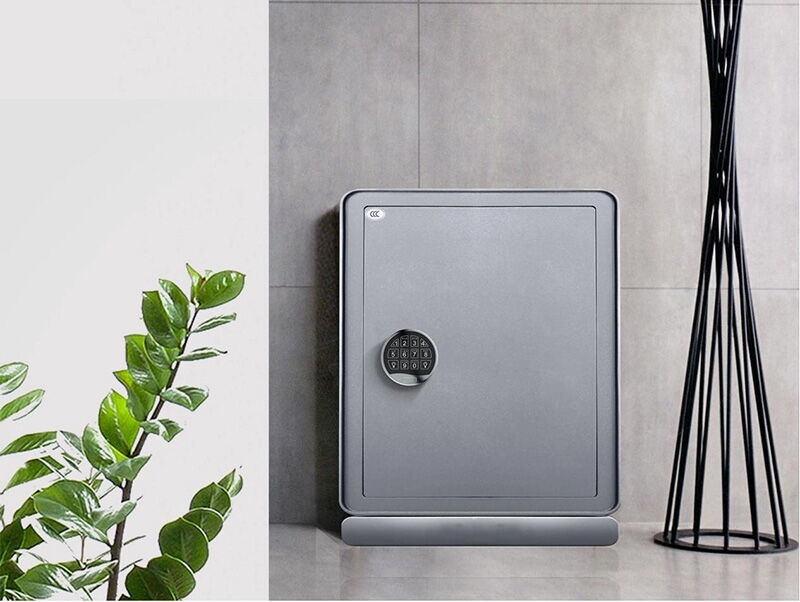
For high-value items like electronics, jewelry, or important documents, always use a secure locker or safe deposit box. High-security locker locks can be paired with additional features such as surveillance cameras or alarm systems for added protection.
Make sure your locker is always securely locked when not in use. Periodically check the condition of your lock to ensure it hasn’t been tampered with.
If you notice any malfunctioning locks or damage to your locker, report the issue immediately to the relevant authorities or building maintenance. Prompt repairs prevent security breaches.
Never share your combination or PIN code with anyone you don’t fully trust. Also, avoid using easily guessed combinations such as birthdates, names, or simple numeric sequences.
Locker locks are essential in many environments. Here's a breakdown of where different types of locks are most effective:
Manufacturing facilities, with constant shifts and high activity levels, need strong and easily swappable locks. Cam locks or PIN locks are ideal for these environments, as they allow quick access and high security.
Warehouses often require flexibility in access management. Electronic locks with PIN codes or RFID cards allow easy resetting when staff changes. For general storage, a basic cam lock is sufficient.
Lockers at critical infrastructure sites like power plants and water stations must be weather-resistant. Stainless steel locks or weather-rated locks are essential in such conditions to handle extreme elements like rain, dust, and high humidity. Electronic locks may also provide valuable access logs.
In sensitive environments like labs or pharmaceutical storage, it's crucial to control access. Key cards or biometric locks are the best options, as they reduce the risk of unauthorized access and prevent key sharing. Additionally, smooth, sealed finishes are ideal for easy cleaning and maintenance.
Airports, stations, and other transit facilities require fast and easy locker access for the public. Coin-return, PIN-based, or card-operated systems are the preferred options, allowing users to access lockers without staff involvement while simplifying maintenance.
Choosing the right locker lock is crucial for maintaining the security of your valuables in various environments. Whether you opt for traditional padlocks, built-in locks, or more modern digital locks, the key is selecting a lock that meets your specific security needs while offering convenience and ease of use. Ensure your locker lock is durable, tamper-resistant, and easy to manage, and follow the best practices for regular maintenance and security checks.
By selecting the right locker lock and following these tips, you can significantly reduce the risk of theft and ensure that your belongings remain safe and secure for years to come.