Commercial Safe Locks as a Key Component in Enterprise Security Strategies
As businesses confront rising security threats, increasing regulatory pressures, and the growing value of physical and digital assets, the role of commercial safe locks has never been more critical. From banks and retail chains to hospitals, hotels, manufacturing plants, and logistics hubs, organizations depend on advanced locking systems to protect cash, sensitive documents, pharmaceuticals, firearms, data storage devices, and intellectual property. No longer limited to mechanical dials and simple keys, modern commercial safe locks now integrate electronics, biometrics, access control software, and real-time monitoring.
The global security industry is undergoing a technological shift, and commercial safe locks stand at the intersection of physical protection and digital intelligence. As threats become more sophisticated and business operations more complex, organizations are demanding solutions that offer not only strength and reliability but also accountability, compliance, and operational efficiency.
This news report explores the evolving landscape of commercial safe locks, examining the technologies behind them, the drivers of market growth, installation and compliance requirements, industry challenges, and the innovations shaping the future of asset protection.
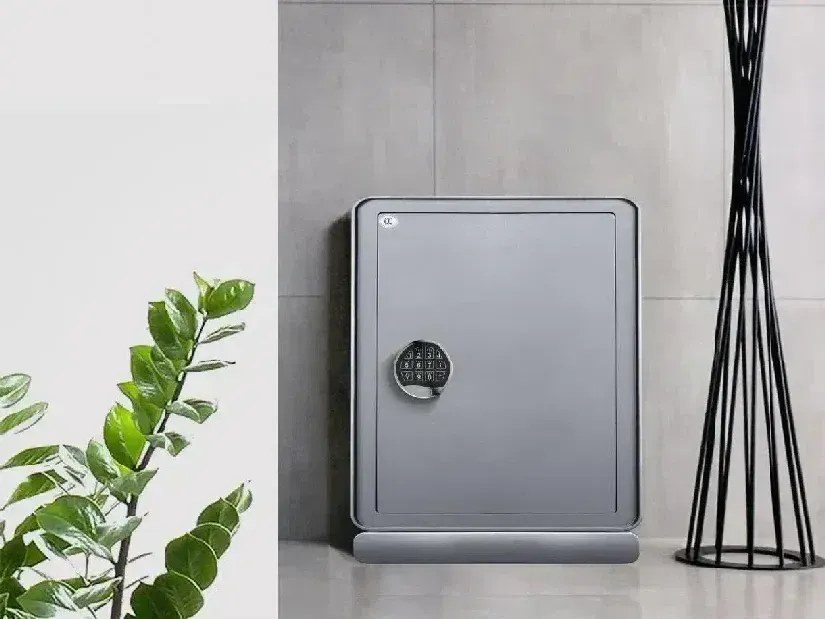
Across industries, the value of assets stored on-site has increased dramatically. Retailers handle higher cash volumes during peak seasons, healthcare facilities manage controlled substances and patient records, financial institutions safeguard documents and data storage devices, and manufacturers protect proprietary designs and tooling. At the same time, organized theft, internal fraud, and regulatory scrutiny have intensified.
These trends have pushed businesses to move beyond traditional locking methods. Commercial safe locks are now expected to provide layered security: physical resistance against forced entry, advanced authentication to prevent unauthorized access, and digital records for auditing and compliance.
Insurance providers, regulatory bodies, and corporate governance standards are also influencing adoption. Many policies and regulations now require certified safes and high-security locks for storing cash, weapons, narcotics, and confidential records. In this environment, commercial safe locks are no longer optional accessories—they are essential infrastructure.
A commercial safe lock is a high-security locking system designed specifically for business and institutional environments. Unlike residential locks, which prioritize convenience, commercial locks are engineered for durability, resistance to tampering, multi-user management, and compliance with industry standards.
Key performance attributes include:
High Resistance to Manipulation and Forced Entry: Designed to withstand drilling, prying, punching, and electronic hacking.
Access Control Management: Support for multiple users, hierarchical permissions, and time-based access.
Audit and Accountability: Logging of access events for monitoring and investigations.
Integration Capability: Compatibility with building security systems, alarms, and centralized management platforms.
Compliance Readiness: Certification to meet industry and insurance requirements.
Commercial safe locks are deployed across sectors such as banking, retail, hospitality, healthcare, government, education, manufacturing, and logistics.
The market for commercial safe locks can be broadly divided into several categories, each offering distinct advantages depending on the application.
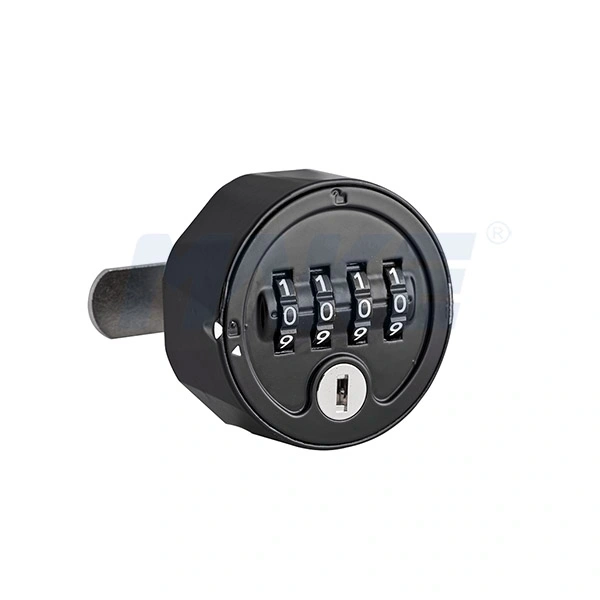
Mechanical combination locks remain widely used due to their simplicity, reliability, and independence from power sources. These locks operate through precise internal mechanisms that align when the correct sequence is dialed.
Advantages:
No batteries or electronics required
High durability and long service life
Resistant to electronic tampering
Limitations:
No audit trail or access records
Time-consuming code changes
Limited multi-user capability
Mechanical locks are still favored in environments where reliability and low maintenance are paramount, such as archival storage or remote facilities.
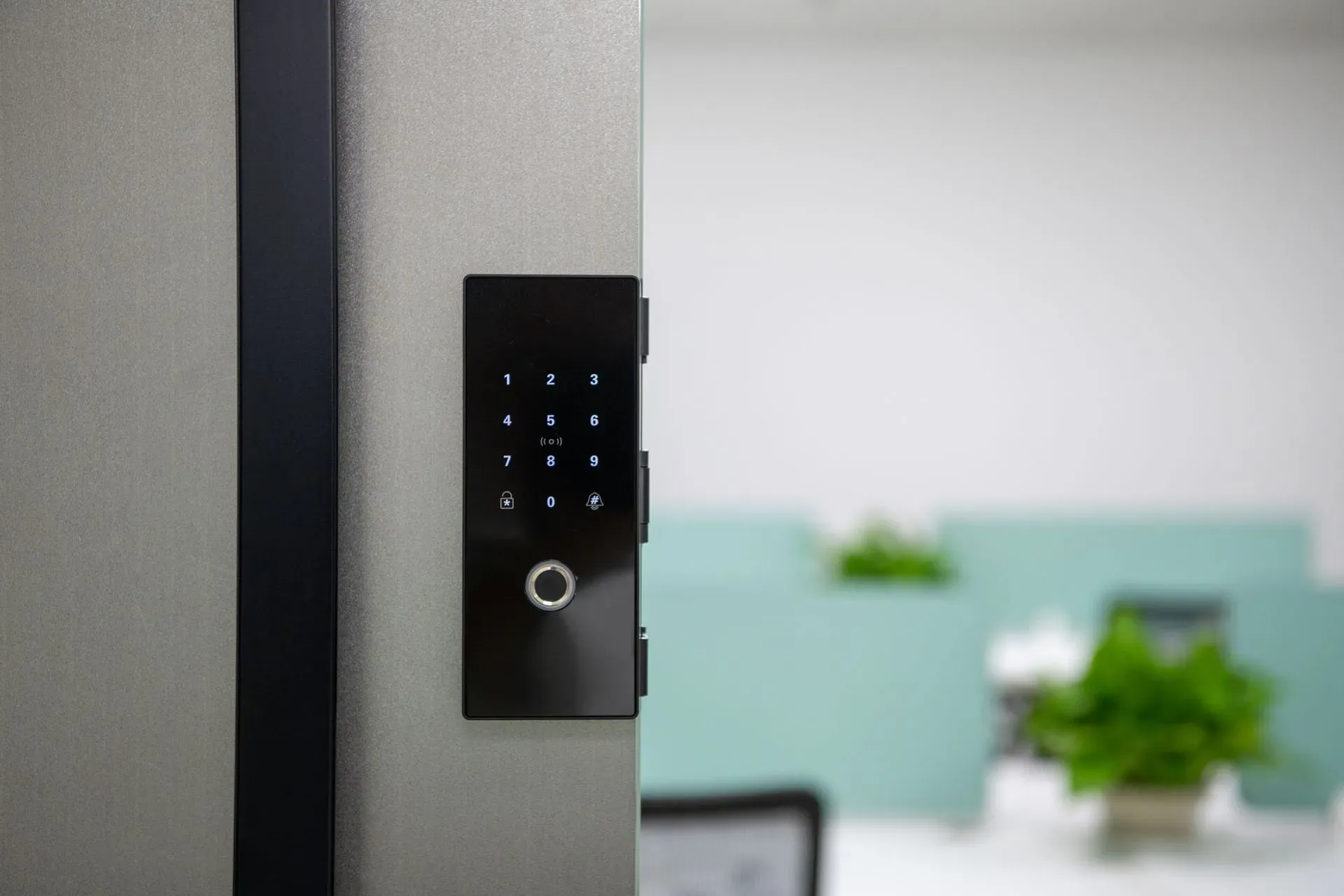
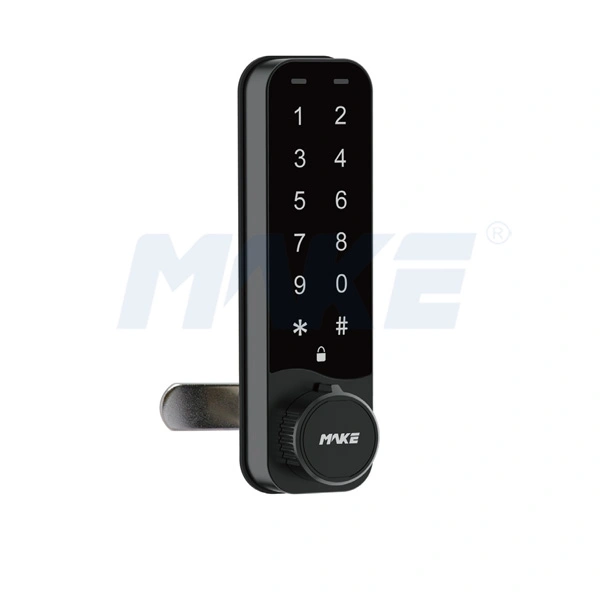
Electronic locks use PIN codes entered via a keypad to control access. They offer faster operation, easier code changes, and more flexible access management.
Advantages:
Quick and simple access
Multiple user codes
Easy reprogramming
Some models offer audit functions
Limitations:
Dependence on batteries or external power
Vulnerability to electronic failure if poorly designed
These locks are common in retail cash management, hotel operations, and office environments.
Biometric locks authenticate users through fingerprints, facial recognition, or other physiological identifiers. They provide a high level of security by tying access to a specific individual.
Advantages:
Eliminates code sharing
Fast authentication
High accountability
Limitations:
Higher cost
Requires proper environmental conditions for accurate scanning
May need backup access methods
Biometric locks are increasingly adopted in healthcare, laboratories, and government facilities where strict access control is essential.
Dual-control locks require two separate credentials or users to open a safe, while time-delay locks introduce a programmed delay before access is granted.
Advantages:
Strong deterrent against robbery and internal theft
Often required by insurance policies
Enhances procedural security
Limitations:
Reduced operational speed
Requires staff training and coordination
These systems are widely used in banking, armored transport operations, and high-risk retail environments.
Several powerful forces are accelerating the adoption of advanced commercial safe locks.
The rise of organized retail crime, insider theft, and data breaches has forced organizations to reassess physical security. Safes equipped with advanced locks provide a critical line of defense.
Healthcare regulations for pharmaceutical storage, financial industry rules for document security, and workplace safety standards for weapon storage all mandate secure locking systems.
Businesses increasingly seek integrated security ecosystems where safes, access control systems, alarms, and surveillance operate on shared platforms.
Insurance providers often require certified locks and safes to qualify for coverage or reduced premiums, making professional-grade solutions a financial necessity.
From data storage devices to luxury goods, the physical value of on-site assets has grown, justifying higher investment in protection.
Even the most advanced lock cannot deliver its full security potential without proper installation. Commercial safe lock installation involves more than simply mounting hardware—it requires strategic planning, site assessment, and professional execution.
Key considerations include:
- Safe Placement: Location within the facility must minimize exposure to theft, allow for structural anchoring, and comply with operational needs.
- Structural Anchoring: Many standards require safes to be bolted to floors or walls to prevent removal.
- Electrical Integration: Electronic and biometric locks may require secure wiring, backup power, and surge protection.
- Environmental Conditions: Temperature, humidity, and dust levels can affect electronic components and biometric sensors.
- User Training: Employees must understand proper operation, access protocols, and emergency procedures.
Professional installation ensures that the locking system meets both manufacturer specifications and regulatory requirements, reducing liability and enhancing reliability.
Commercial safe locks are governed by a wide range of national and international standards. Certification validates a product’s resistance to tampering, durability, and reliability under attack.
Common evaluation criteria include:
- Resistance to Drilling, Cutting, and Prying
- Protection Against Manipulation and Electronic Hacking
- Endurance Testing Under Repeated Use
- Fire and Environmental Resistance (when integrated into fire-rated safes)
For businesses in regulated sectors, certification is often mandatory. Financial institutions, for example, may require locks approved by recognized testing bodies, while healthcare facilities must meet strict standards for controlled substance storage.
Compliance not only ensures security but also supports audits, inspections, and insurance claims.
One of the most significant developments in commercial safe lock technology is integration with broader security infrastructure. Modern systems are designed to operate as part of a connected ecosystem rather than as isolated devices.
Integrated features include:
- Centralized Access Management: Administrators can manage user permissions across multiple safes from a single platform.
- Audit Trails: Detailed logs of every access event, including time, user identity, and duration.
- Alarm and Surveillance Linkage: Automatic alerts triggered by unauthorized attempts or forced entry.
- Remote Monitoring: Real-time status updates and diagnostic reporting for maintenance and security oversight.
This convergence of physical and digital security enhances visibility, accountability, and operational control.
The versatility of commercial safe locks makes them essential across a wide range of sectors.
Used for cash storage, deposit safes, and time-delay vaults, helping deter robbery and internal theft.
Critical for vaults, document storage, and secure data media protection, often with dual-control systems.
Required for controlled substances, patient records, and medical devices, often using biometric or audit-enabled locks.
Protect intellectual property, proprietary tooling, and sensitive materials.
Secure weapons, confidential files, and restricted equipment.
Safeguard high-value inventory, shipping documents, and electronic tracking devices.
Despite strong growth, the commercial safe lock market faces several challenges.
High-security systems represent a significant upfront investment, particularly for small and medium-sized businesses.
As locks become more connected, protecting them from hacking and unauthorized digital access becomes essential.
Advanced systems require proper training to avoid misuse, accidental lockouts, or security lapses.
Electronic components and biometric sensors require periodic updates, battery replacements, and calibration.
Manufacturers and service providers are addressing these challenges through modular designs, improved user interfaces, and enhanced cybersecurity protocols.
The future of commercial safe locks is being shaped by rapid technological advancement.
Cloud-based management platforms allow real-time monitoring, firmware updates, and remote diagnostics.
AI-driven systems can detect unusual access patterns, identify potential insider threats, and automate compliance reporting.
Combining biometrics, PIN codes, and access cards for layered security.
Energy-efficient electronics, recyclable materials, and long-life components support corporate sustainability goals.
Businesses can tailor lock systems to specific operational needs, integrating only the features required.
These innovations are transforming commercial safe locks from static security devices into intelligent, adaptable security assets.
The commercial safe lock sector is an integral part of the broader physical security industry, which continues to expand alongside urbanization, digitalization, and regulatory growth. Manufacturers, installers, software developers, and service providers all contribute to a growing ecosystem.
Investments in infrastructure, retail expansion, healthcare modernization, and industrial automation are expected to sustain long-term demand. As businesses increasingly prioritize risk management and compliance, the role of advanced safe locking systems will continue to strengthen.
For organizations, the return on investment extends beyond theft prevention. Reduced insurance premiums, improved operational efficiency, and enhanced regulatory compliance all contribute to measurable financial and reputational benefits.
Commercial safe locks have evolved far beyond simple mechanical devices. They are now integral components of enterprise security strategies, combining physical strength with digital intelligence, compliance, and operational control.
In an era where assets are more valuable, regulations more demanding, and threats more complex, businesses cannot afford to treat security as an afterthought. The selection, installation, and management of commercial safe locks directly impact not only loss prevention but also trust, governance, and long-term sustainability.
As technology continues to advance, commercial safe locks will become even more connected, intelligent, and adaptable. The companies that invest today in high-quality, professionally installed locking systems are not just protecting their assets—they are building resilience into the very foundation of their operations.