Push-in Cabinet Locks Drive a New Standard in Cabinet Security
In an era where security, convenience, and design efficiency are increasingly intertwined, even the smallest hardware components are undergoing significant innovation. Among these, the push-in cabinet lock has emerged as a practical and widely adopted solution across residential, commercial, and industrial environments. From office furniture and retail displays to server cabinets, medical equipment, and self-service terminals, push-in cabinet locks provide a balance of accessibility, aesthetics, and dependable security.
As global demand grows for compact, user-friendly locking mechanisms, manufacturers are investing heavily in the design, materials, and smart features of push-in cabinet locks. What was once a simple mechanical fastener is now a sophisticated access solution tailored for modern furniture systems, electronic enclosures, and modular storage.
This article explores the fundamentals of push-in cabinet locks, their advantages over traditional locking systems, key application sectors, manufacturing trends, and the evolving market landscape that is shaping the future of cabinet security.
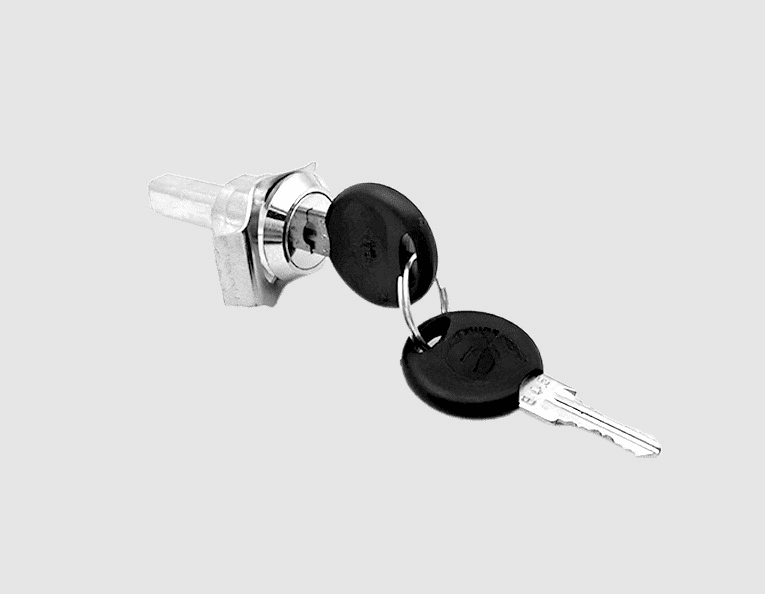
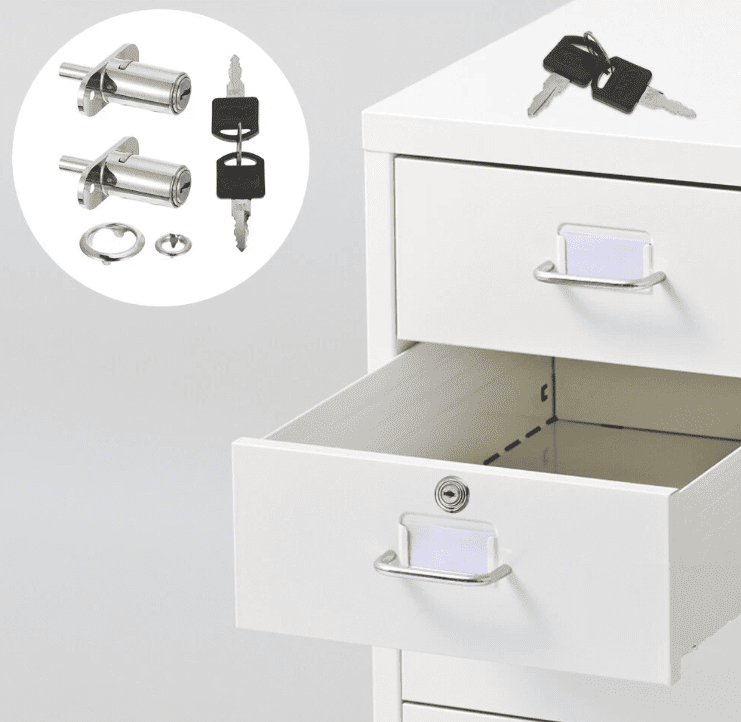
A push-in cabinet lock is a type of locking mechanism designed to secure doors, drawers, panels, or access compartments by means of a simple push-to-lock action. Unlike conventional locks that require a turning key or latch operation, a push-in lock allows the user to close and secure a cabinet with a single motion—simply pushing the door or button activates the locking mechanism.
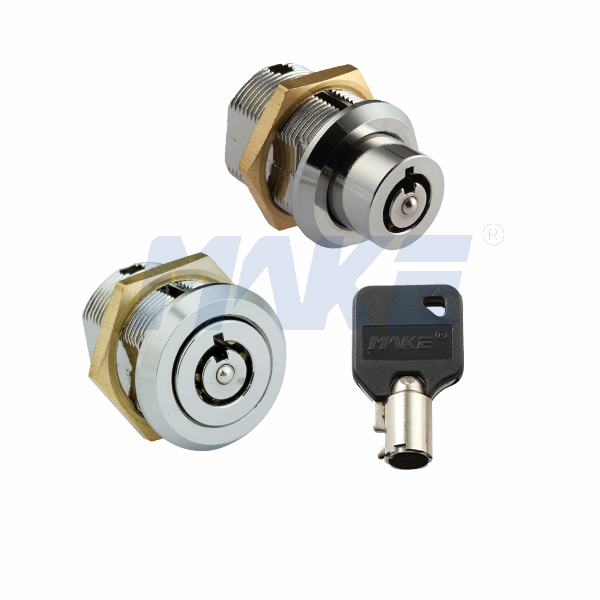
Structurally, the lock is typically mounted through a pre-drilled hole in the cabinet door or panel. Inside the housing, a spring-loaded or cam-based mechanism engages with a strike plate or frame. When the door is pushed closed, the locking pin or cam automatically moves into position, holding the door securely shut. Unlocking is usually performed with a key, combination input, or release mechanism, depending on the design.
Push-in cabinet locks are valued for their:
- Ease of use: One-handed operation and minimal user effort
- Compact design: Suitable for modern, space-efficient furniture
- Clean appearance: No protruding handles or hardware
- Versatility: Compatible with wood, metal, glass, and composite panels
These attributes make them an ideal choice for environments where frequent access, streamlined design, and basic security are all required.
The widespread adoption of push-in cabinet locks is driven by several market trends:
Modern workplaces, healthcare facilities, and public spaces emphasize accessibility and convenience. Hardware that reduces operational steps—such as eliminating the need to turn a key just to close a door—improves user experience and efficiency.
Office systems, data centers, retail fixtures, and industrial cabinets are increasingly modular. Push-in locks integrate easily into standardized panel designs, allowing manufacturers to streamline production while offering secure access.
Minimalist design trends favor clean lines and concealed hardware. Push-in cabinet locks blend seamlessly into surfaces, supporting both functional and visual requirements.
From vending machines to charging lockers and automated kiosks, modern equipment requires fast, reliable, and compact locking mechanisms. Push-in locks provide a dependable solution that is simple for both operators and users.
While both systems aim to secure compartments, their operating principles and use cases differ.
Traditional cabinet locks generally require the user to turn a key or rotate a latch to lock the door after closing. They often feature cam-based or pin-tumbler mechanisms and are suitable for a wide range of security levels. However, they can be less convenient for frequent access and may require two-handed operation.
Push-in locks, by contrast, allow the cabinet to lock automatically when the door is closed. This eliminates the extra step of turning a key or knob to secure the compartment. They are especially useful in:
Office storage units with frequent use
- Medical carts and cabinets
- Retail display cases
- Electrical and communication enclosures
- Personal lockers and mailboxes
Although push-in locks are generally intended for low-to-medium security, advancements in materials and locking mechanisms have significantly improved their durability and tamper resistance.
Modern push-in cabinet locks are engineered with multiple features to meet diverse operational requirements:
Most push-in locks are designed to fit standard mounting holes, allowing for quick installation without extensive modifications. Their low-profile design ensures compatibility with thin panels and modern furniture systems.
The internal spring mechanism enables automatic engagement when the door is pushed closed. This ensures consistent locking without manual adjustment.
Depending on the design, push-in locks may use a cam, pin, or latch to secure the door against a strike plate or frame. This provides reliable holding force while allowing smooth unlocking.
Push-in locks are available in various formats, including:
Keyed versions (flat key, tubular key, or disc tumbler)
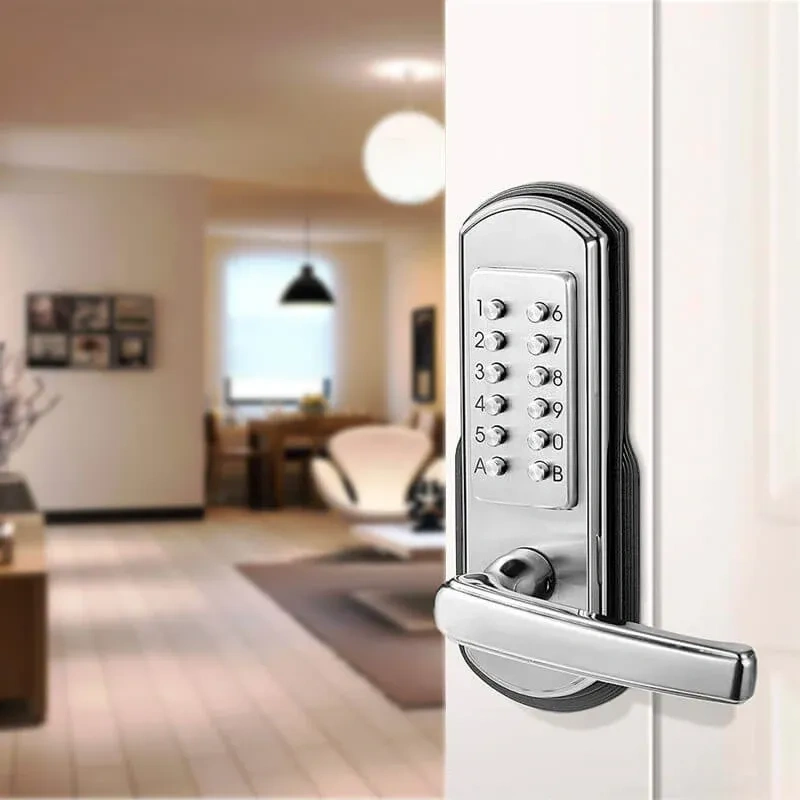
Combination locks (mechanical or digital)
Tool-operated or release-button designs
This versatility allows manufacturers to match lock types to specific security and access requirements.
High-quality push-in locks are manufactured using materials such as:
- Zinc alloy for strength and corrosion resistance
- Brass for durability and smooth operation
- Stainless steel for harsh or outdoor environments
- Engineering plastics for lightweight and insulated applications
Surface treatments such as nickel plating, chrome finishing, or powder coating further enhance durability and appearance.
The adaptability of push-in cabinet locks has led to their widespread use across multiple industries:
Push-in locks are commonly installed in filing cabinets, personal storage units, desk drawers, and lockers. Their ease of use is particularly beneficial in shared office environments where employees access storage frequently.
Medical carts, supply cabinets, and laboratory storage require fast yet secure access. Push-in locks help ensure controlled entry while allowing healthcare professionals to operate efficiently during critical tasks.
Server racks, network cabinets, and electrical control boxes benefit from push-in locks that provide secure closure without complex handling. Their compact design is ideal for space-constrained installations.
Retailers use push-in locks in display cases, point-of-sale terminals, and vending machines. These locks protect merchandise while maintaining a clean, customer-friendly appearance.
Industrial equipment often requires protective enclosures for electrical components and control systems. Push-in locks allow maintenance staff to access panels quickly while keeping unauthorized users out.
The global push-in cabinet lock market is evolving rapidly, driven by advancements in materials, automation, and customization.
Modern manufacturers rely on precision die-casting, CNC machining, and automated assembly to ensure consistent dimensions and smooth operation. Tighter tolerances improve product reliability and compatibility with standardized mounting systems.
Many manufacturers offer OEM (Original Equipment Manufacturing) and ODM (Original Design Manufacturing) services, enabling customers to customize:
- Lock dimensions
- Mounting configurations
- Keying systems
- Branding and surface finishes
This flexibility is particularly valuable for furniture makers, equipment manufacturers, and infrastructure developers seeking proprietary hardware solutions.
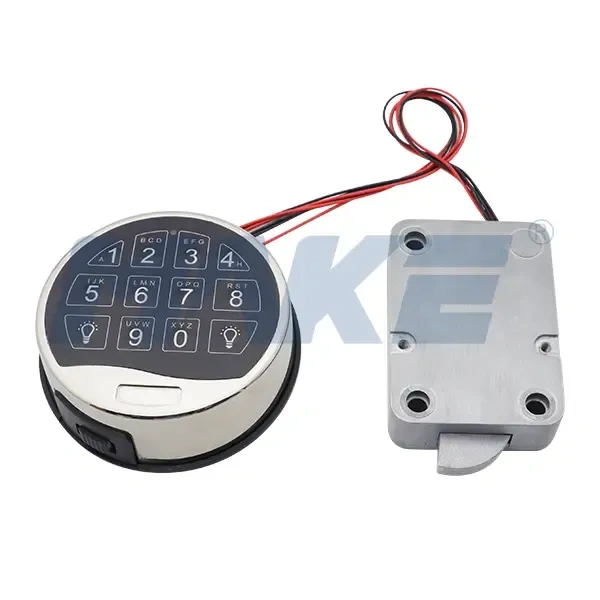
Although traditionally mechanical, push-in locks are increasingly being integrated into digital access systems. Electronic push-in locks with keypad, RFID, or Bluetooth functionality are becoming popular in smart offices, shared storage facilities, and automated locker systems.
Environmental responsibility is influencing design choices. Manufacturers are exploring recyclable materials, eco-friendly coatings, and energy-efficient production methods to meet global sustainability standards.
Quality assurance is a critical factor in cabinet lock manufacturing. Reputable suppliers implement comprehensive quality management systems that include:
- Raw material inspection
- In-process quality checks
- Functional testing of locking mechanisms
- Durability and corrosion resistance testing
International certifications such as ISO 9001 demonstrate that a manufacturer adheres to standardized quality management practices. For buyers, selecting certified suppliers reduces the risk of inconsistent quality and ensures long-term product reliability.
The push-in cabinet lock sector is experiencing steady growth, fueled by expanding industries such as office furniture, healthcare infrastructure, retail automation, and data center development.
Urbanization, digital transformation, and the rise of modular construction are driving demand for compact and efficient hardware solutions. Push-in cabinet locks meet these needs by offering simplicity, reliability, and design compatibility.
From material processing and manufacturing to logistics and distribution, the cabinet lock industry supports a wide range of employment opportunities. Investment in automation and R&D is further strengthening the sector’s economic contribution.
Despite strong growth, the industry faces several challenges:
While push-in locks provide reliable basic security, they are not intended for high-security applications. In environments requiring advanced access control, manufacturers must integrate stronger mechanisms or electronic systems.
Variations in panel thickness, mounting hole sizes, and cabinet designs can create compatibility challenges. Greater standardization across furniture and equipment manufacturing would simplify installation and replacement.
As push-in locks are often used in large quantities, buyers are highly price-sensitive. Manufacturers must balance cost efficiency with quality and durability to remain competitive.
The next generation of push-in cabinet locks will be shaped by innovation and digital integration:
Electronic push-in locks with PIN codes, RFID cards, and mobile app access will become increasingly common in offices, co-working spaces, gyms, and shared storage facilities.
Advances in materials and surface treatments will improve resistance to wear, corrosion, and tampering, extending product life in demanding environments.
Future designs will focus on modular components that allow manufacturers and end users to easily swap cores, cams, or access modules without replacing the entire lock.
Push-in cabinet locks will increasingly connect to centralized monitoring platforms, enabling administrators to track access, manage permissions, and enhance security across facilities.
For buyers, choosing a reliable supplier is essential. Key factors to consider include:
- Product Range: Availability of different sizes, materials, and access options
- Quality Certifications: Compliance with international standards such as ISO 9001
- Customization Capabilities: OEM/ODM services for tailored solutions
- Production Capacity: Ability to meet large-volume and time-sensitive orders
- Logistics Support: Efficient shipping and export experience
- After-Sales Service: Technical support and warranty coverage
A supplier that excels in these areas can provide long-term value beyond the initial purchase.
The push-in cabinet lock has evolved from a simple mechanical fastener into a versatile, modern access solution that meets the demands of today’s furniture systems, electronic enclosures, and automated equipment. Its combination of convenience, compact design, and dependable performance makes it an essential component across a wide range of industries.
As manufacturing technologies advance and smart access solutions become more prevalent, push-in cabinet locks will continue to adapt—offering greater functionality, enhanced security, and improved integration with digital ecosystems. For businesses seeking efficient, reliable, and aesthetically pleasing locking solutions, the push-in cabinet lock represents not just a practical choice, but a forward-looking investment in modern design and operational efficiency.