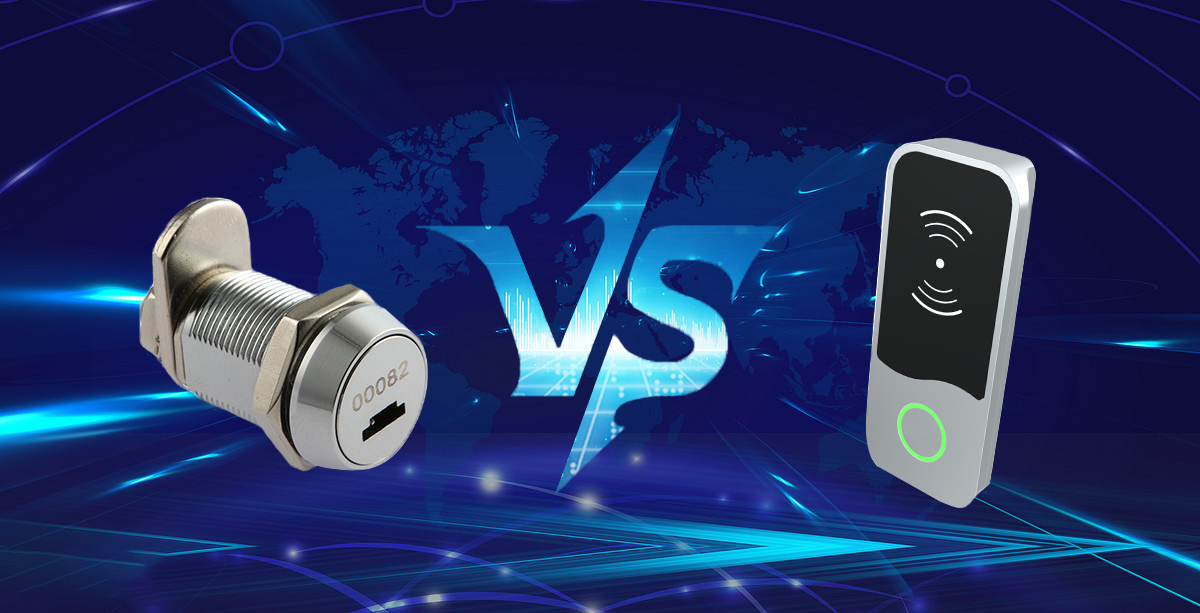
Why RFID Locker Locks Are Replacing Traditional Locker Systems
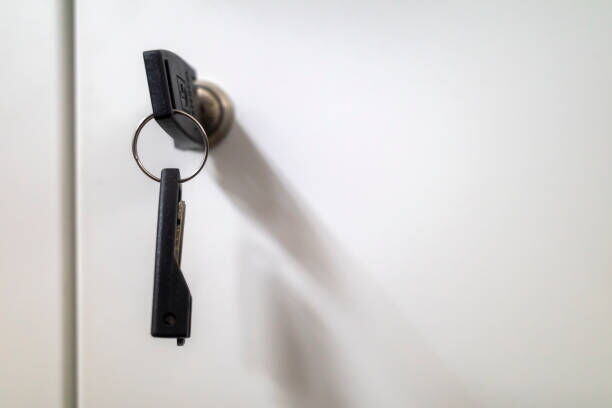
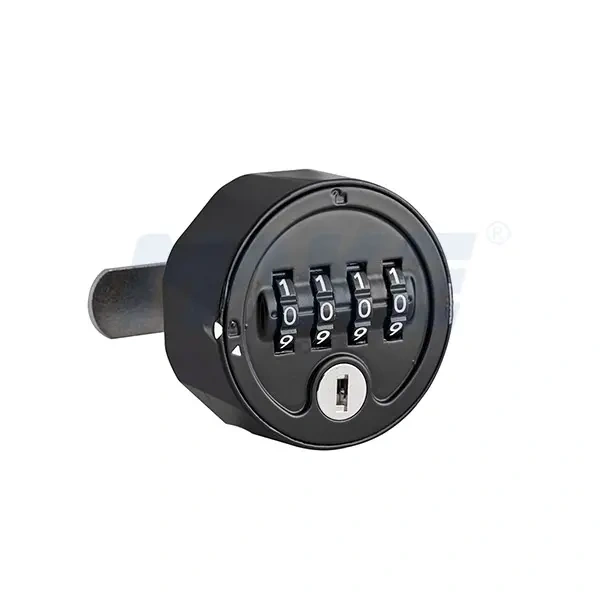
As digital transformation continues to reshape commercial, institutional, and public environments, traditional mechanical locking systems are rapidly giving way to smarter, more secure alternatives. From gyms and schools to offices, hospitals, factories, and public facilities, lockers play a vital role in safeguarding personal belongings, work equipment, and sensitive items. However, conventional key-based or combination locks often fall short in meeting modern demands for security, convenience, and operational efficiency.
RFID locker locks have emerged as a leading solution to address these challenges. By leveraging Radio Frequency Identification (RFID) technology, these locks offer contactless access, enhanced security, and flexible management capabilities. They eliminate the need for physical keys, reduce administrative burdens, and integrate seamlessly into smart access control ecosystems.
With growing adoption across industries, RFID locker locks are becoming a cornerstone of intelligent facility management, supporting safer, more efficient, and user-friendly locker systems worldwide.
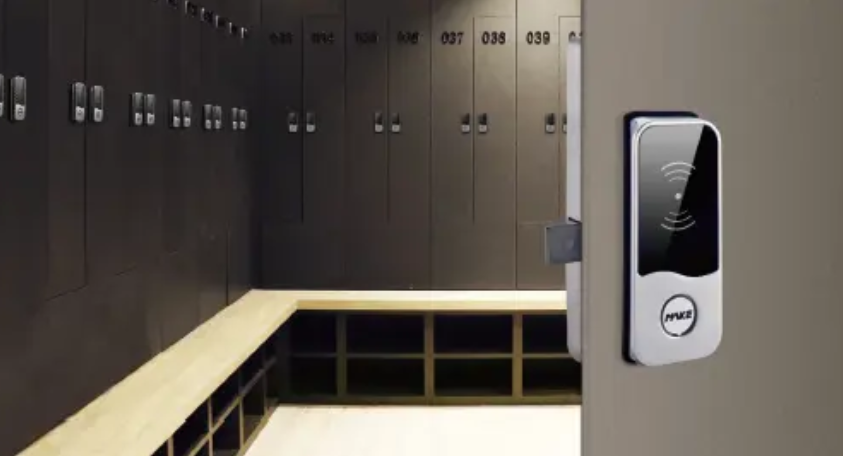
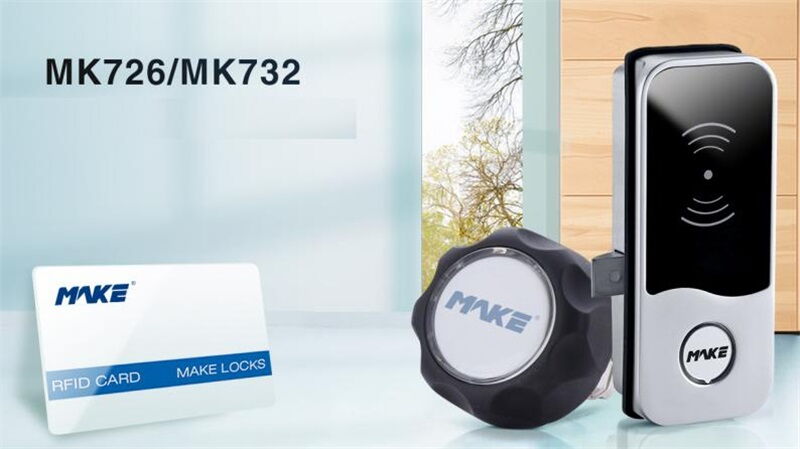
RFID locker locks are electronic locking devices that use RFID credentials—such as cards, key fobs, wristbands, or mobile-enabled tags—to authenticate users and grant access to lockers. Unlike mechanical locks that rely on physical keys or numeric codes, RFID locks operate through wireless communication between the credential and the lock reader.
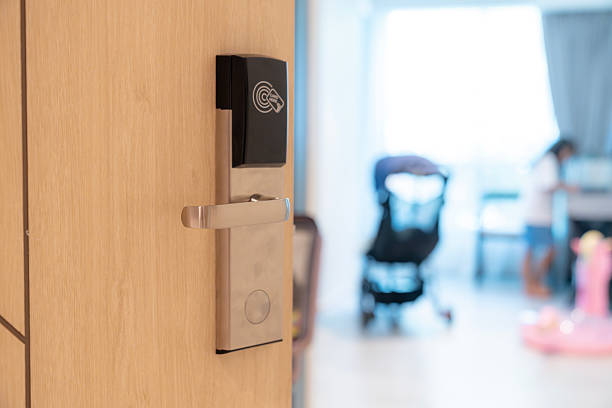
When an authorized RFID credential is presented near the lock, the system verifies the data and unlocks the locker within seconds. This contactless interaction improves user convenience while enhancing security and reducing wear and tear on locking components.
RFID locker locks can operate as standalone units or as part of a centralized access management system, depending on the application and facility requirements.
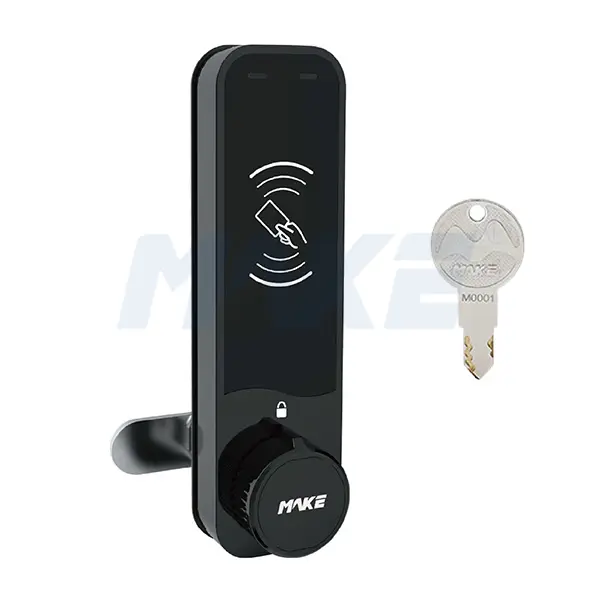
RFID technology is based on electromagnetic fields that enable data exchange between a reader and an RFID tag. In locker lock applications, the lock contains an RFID reader and a control unit, while the user carries an RFID credential.
- RFID Reader: Detects and reads data from RFID credentials.
- Control Module: Processes authentication and manages locking logic.
- Electronic Locking Mechanism: Physically secures or releases the locker door.
- Power Supply: Typically battery-powered, ensuring flexible installation.
- RFID Credential: Card, wristband, key fob, or mobile device used for access.
When a credential is presented, the reader captures the data, the control module verifies authorization, and the locking mechanism responds accordingly.
RFID locker locks are available in various configurations to suit different usage scenarios. Understanding these types helps facility managers choose the most appropriate solution.
Standalone locks operate independently without network connectivity. Each lock stores authorized credentials locally and is ideal for facilities with simpler access requirements.
Common applications:
- Gyms and fitness centers
- Schools and universities
- Swimming pools and sports facilities
Networked locks connect to a central management system, allowing administrators to monitor, configure, and control access remotely. These systems are commonly used in large or high-security facilities.
Common applications:
- Corporate offices
- Hospitals and healthcare facilities
- Industrial plants
Some RFID locker lock solutions support offline operation with periodic data synchronization. This offers flexibility in environments where continuous network access is not feasible.
RFID locker locks significantly reduce security risks associated with lost keys or shared combinations. Credentials can be easily issued, revoked, or reprogrammed without replacing hardware, ensuring rapid response to security incidents.
Contactless access minimizes physical contact with surfaces, making RFID locks especially valuable in healthcare, hospitality, and public environments where hygiene is a priority.
Users can access lockers quickly with a simple tap of a card or wristband, eliminating the frustration of forgotten keys or codes. This improves user satisfaction and reduces staff intervention.
RFID locker locks support multiple credential types, including cards, bracelets, key tags, and even smartphone-based credentials, accommodating diverse user preferences.
By eliminating physical keys and simplifying access management, RFID locker locks reduce long-term maintenance and administrative costs.
Gyms are among the most common users of RFID locker locks. Members receive RFID wristbands or cards that grant locker access during their visit. Temporary or dynamic locker assignment improves space utilization and user convenience.
Schools and universities use RFID locker locks to secure student lockers while simplifying access management. Lost cards can be replaced easily without changing locks, and access rights can be adjusted by academic term.
Hospitals and clinics rely on RFID locker locks to protect staff belongings, medical equipment, and controlled items. Contactless access enhances hygiene, while audit capabilities support compliance requirements.
Modern offices implement RFID locker locks as part of smart workplace strategies. Employees can store personal items securely, and lockers can be dynamically assigned based on daily attendance or desk-sharing policies.
Factories and warehouses use RFID locker locks to control access to safety equipment, tools, and uniforms. Integration with employee ID systems ensures accountability and controlled access.
Hotels, resorts, airports, and entertainment venues deploy RFID locker locks to provide secure storage for guests, enhancing overall service quality and operational efficiency.
RFID locker locks are increasingly integrated into broader smart facility ecosystems. They can work alongside access control systems, time and attendance platforms, and building management systems.
- Employee ID systems
- Membership management software
- Mobile access platforms
- Centralized security management
This integration enables data-driven decision-making, improves security oversight, and supports automation across facilities.
Modern RFID locker locks are designed with robust security mechanisms to protect both physical assets and digital data.
Advanced RFID systems use encrypted communication to prevent unauthorized credential cloning or interception.
Networked systems can record access events, providing valuable insights for security audits and incident investigations.
Many RFID locker locks include tamper alerts and forced-entry detection, enhancing protection against unauthorized access attempts.
RFID locker locks are engineered to simplify installation while offering flexibility across a wide range of locker configurations. They can be easily mounted on lockers made from metal, wood, plastic, laminate, or composite materials, making them suitable for both new projects and retrofit upgrades. Because most RFID locker locks are battery-powered, they eliminate the need for complex wiring or external power supplies. This significantly reduces installation time, labor costs, and disruption to existing facilities, particularly in large locker rooms or public environments.
For retrofit applications, RFID locker locks can be installed on existing lockers with minimal modification, allowing facilities to modernize security systems without replacing entire locker units. Clear installation templates and standardized mounting dimensions further streamline the process.
Maintenance requirements are straightforward and cost-effective. Routine tasks typically include periodic battery replacement, which can be scheduled based on usage levels and low-battery alerts. For networked or smart systems, occasional software or firmware updates ensure optimal performance, security enhancements, and compatibility with management platforms. Credential management, such as issuing, updating, or revoking RFID cards or wristbands, is handled easily through centralized systems.
With proper installation practices and regular maintenance, RFID locker locks deliver long-term reliability, consistent performance, and a durable solution for modern access control needs.
RFID locker locks support sustainability goals by reducing the need for metal keys and minimizing material waste. Long-lasting batteries and energy-efficient electronics further reduce environmental impact.
In shared-use environments, dynamic locker assignment improves utilization efficiency, reducing the total number of lockers required.
The global market for RFID locker locks continues to grow, driven by increasing demand for smart security solutions and contactless technologies.
Emerging Trends Include:
- Mobile phone-based RFID and NFC access
- Cloud-based locker management platforms
- Integration with biometric authentication
- Enhanced analytics and usage reporting
As technology advances, RFID locker locks are expected to become even more intelligent, secure, and adaptable to evolving user needs.
Selecting the most suitable RFID locker lock solution requires careful evaluation of both operational needs and long-term objectives. One of the first factors to consider is the usage environment and expected user volume. High-traffic locations such as gyms, schools, or transportation hubs may require durable locks with fast response times, while offices or specialized facilities may prioritize advanced access control and monitoring features.
Organizations should also determine whether a standalone or networked system is more appropriate. Standalone RFID locker locks are ideal for simpler installations with basic access needs, while networked systems provide centralized management, real-time monitoring, and detailed access records. Credential type preferences are another key consideration, as RFID locker locks can support cards, key fobs, wristbands, or mobile credentials, depending on user convenience and operational workflows.
Security and compliance requirements must also be evaluated, especially in healthcare, industrial, or regulated environments where access control and auditability are critical. Additionally, scalability is essential for future growth, allowing the system to expand as facilities increase in size or usage patterns change.
Partnering with experienced manufacturers and solution providers helps ensure proper system design, smooth implementation, and reliable long-term performance.
RFID locker locks represent a significant advancement in access control technology, offering a secure, convenient, and intelligent alternative to traditional locking systems. By combining contactless operation, flexible credential management, and integration capabilities, they meet the demands of modern facilities across diverse industries.
As organizations continue to prioritize security, efficiency, and user experience, RFID locker locks will play an increasingly important role in shaping the future of smart storage and access management. Their adoption not only enhances physical security but also supports digital transformation and sustainable facility operations worldwide.