Lock Plunger Explained: Uses, Types, and Applications in Modern Security
Security and convenience are essential considerations in both residential and commercial environments. Whether protecting retail merchandise, securing office cabinets, safeguarding personal belongings, or preventing unauthorized access to sliding doors, locking systems play a critical role in modern life. Among the many locking mechanisms available today, the lock plunger remains one of the most practical, reliable, and widely used components in various applications.
A lock plunger is a compact mechanical locking device designed to secure doors, drawers, cabinets, showcases, and other movable structures. The mechanism works through a spring-loaded or manually operated plunger that extends into a receiving slot or strike plate, preventing movement until released. Despite its relatively simple structure, the lock plunger provides dependable security, ease of operation, and long-lasting durability.
Lock plungers are commonly found in retail display cases, glass sliding doors, furniture systems, industrial equipment, storage cabinets, and commercial enclosures. Their versatility, compact size, and efficient locking action make them suitable for numerous industries, ranging from home furnishings and retail security to industrial manufacturing and transportation equipment.
As modern security demands continue evolving, lock plungers have also advanced in terms of materials, designs, corrosion resistance, and installation flexibility. Today's lock plungers are engineered to provide smooth operation, enhanced safety, and compatibility with both traditional and modern locking systems.
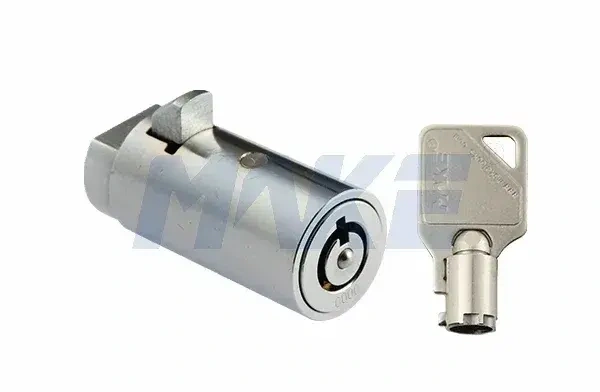
At its core, a lock plunger operates using a movable pin or bolt mechanism. When activated, the plunger extends into a designated slot or hole, mechanically restricting movement and securing the object in place. When released, the plunger retracts, allowing the door, drawer, or panel to open freely.
The operation may be:
- Spring-loaded
- Push-to-lock
- Key-operated
- Manual pull-release
- Automatic locking
- Push-button activated
The simplicity of the mechanism contributes greatly to its reliability. Unlike more complex electronic systems, traditional lock plungers require minimal maintenance while delivering consistent performance.
Although designs vary depending on application and manufacturer, most lock plungers include several essential components.
The plunger pin is the main moving part of the mechanism. It extends and retracts to lock or unlock the device.
The pin is typically manufactured from:
- Stainless steel
- Brass
- Zinc alloy
- Hardened steel
- Aluminum alloy
The housing supports and protects the internal components of the lock plunger. It is designed for durability and secure mounting.
Common housing materials include:
- Stainless steel
- Die-cast zinc
- Plastic composites
- Aluminum
Many lock plungers use an internal spring to provide automatic extension or retraction of the plunger pin.
The spring ensures:
- Smooth operation
- Automatic locking action
- Consistent engagement pressure
Some lock plungers include a key cylinder for enhanced security, while others rely on push-button or manual release systems.
The strike plate receives the plunger pin when the lock is engaged. Proper alignment between the plunger and receiver is essential for reliable operation.
Different applications require different lock plunger designs. Manufacturers offer a wide range of configurations to suit varying security and installation needs.
Spring-loaded plungers automatically engage when the door or drawer closes. They are widely used in cabinets, sliding doors, and industrial equipment.
Advantages include:
- Fast locking action
- Easy operation
- Minimal user effort
- Reliable engagement
Key-operated lock plungers provide higher security by requiring a key for unlocking.
They are commonly used in:
- Retail showcases
- Jewelry displays
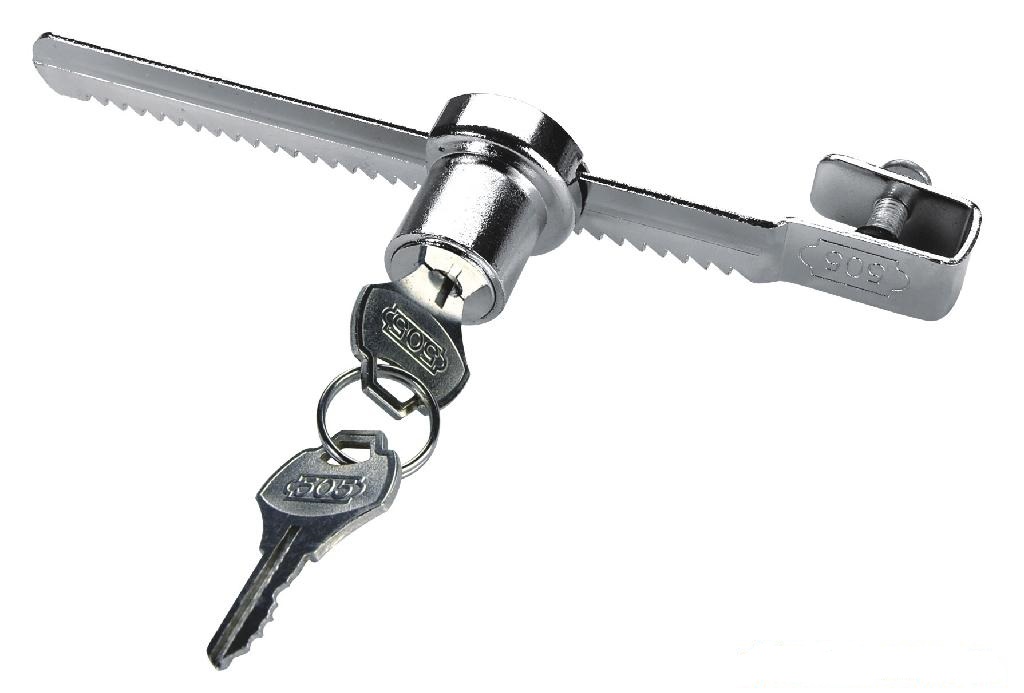
- Glass cabinets
- Secure storage systems
Push-button lock plungers operate by pressing the plunger into position.
These systems are often found in:
- Office furniture
- Toolboxes
- Utility compartments
- RV storage systems
Pull ring designs allow users to manually retract the plunger using a ring handle.
These are frequently used in:
- Industrial machinery
- Equipment enclosures
- Vehicle systems
Some modern systems combine magnetic technology with mechanical plungers to improve convenience and security.
Lock plungers are used across numerous industries and environments because of their versatility and dependable performance.
Retail stores commonly use lock plungers to secure:
- Jewelry showcases
- Electronics cabinets
- Glass display counters
- Luxury product displays
Their compact design maintains a clean appearance while protecting valuable merchandise.
Sliding doors often rely on lock plungers to prevent forced entry and unauthorized opening.
Applications include:
- Residential patio doors
- Commercial office partitions
- Balcony doors
- Glass conference rooms
Lock plungers are widely installed in:
- Office desks
- Filing cabinets
- Kitchen cabinets
- Wardrobes
- Storage drawers
They provide both security and smooth daily operation.
Industrial applications often require rugged lock plungers capable of handling vibration, heavy use, and harsh environments.
Examples include:
- Machinery access panels
- Electrical enclosures
- Equipment housings
- Safety guards
Vehicle manufacturers use lock plungers in:
- RV compartments
- Truck storage boxes
- Bus access panels
- Marine compartments
Healthcare facilities use lock plungers to secure:
- Medical cabinets
- Equipment drawers
- Laboratory storage systems
- Pharmaceutical compartments
Material selection greatly affects the durability, appearance, and performance of lock plungers.
Stainless steel is highly popular because of its:
- Corrosion resistance
- Strength
- Long service life
- Attractive appearance
It is ideal for:
- Outdoor installations
- Marine environments
- High-humidity areas
Brass lock plungers offer:
- Good corrosion resistance
- Smooth operation
- Decorative appearance
They are commonly used in residential furniture and decorative applications.
Zinc alloy components provide:
- Cost efficiency
- Good mechanical properties
- Easy manufacturing
Aluminum lock plungers are lightweight and corrosion-resistant, making them suitable for transportation and aerospace applications.
Plastic lock plungers are often used in lightweight or low-security applications.
Advantages include:
- Low cost
- Non-corrosive properties
- Electrical insulation
Lock plungers remain highly popular because they provide numerous practical benefits.
Compact Design
Their small size allows installation in confined spaces without affecting aesthetics.
Easy Installation
Most lock plungers require minimal tools and straightforward mounting procedures.
Reliable Security
Despite their simplicity, lock plungers provide effective protection against unauthorized access.
Smooth Operation
High-quality lock plungers offer consistent locking and unlocking performance over long service periods.
Low Maintenance
Mechanical lock plungers generally require little maintenance compared to electronic systems.
Versatile Applications
They can be adapted for residential, commercial, industrial, and transportation environments.
Selecting the appropriate lock plunger depends on several important factors.
Consider whether the installation environment involves:
- Moisture
- Dust
- Chemicals
- Outdoor exposure
- Heavy vibration
Corrosion-resistant materials may be necessary for harsh environments.
Higher-security applications may require:
- Key-operated systems
- Hardened materials
- Tamper-resistant designs
Lock plungers are available in:
- Surface-mount designs
- Flush-mount designs
- Concealed installations
Applications involving frequent use require durable materials and high-cycle designs.
Retail and furniture applications often prioritize attractive finishes and discreet installation.
Proper installation is essential for reliable operation and long service life.
Alignment
The plunger pin and strike plate must align precisely to ensure smooth engagement.
Secure Mounting
Loose mounting hardware can reduce locking performance and cause premature wear.
Correct Positioning
Installers should position the lock plunger to minimize stress and ensure convenient access.
Testing
After installation, the mechanism should be tested repeatedly to confirm reliable locking and unlocking.
Although lock plungers are generally low-maintenance devices, periodic inspection can improve longevity.
Lubrication
Applying suitable lubricant helps maintain smooth movement and reduce friction.
Cleaning
Dust and debris should be removed regularly, especially in industrial or outdoor environments.
Corrosion Inspection
Outdoor installations should be checked for signs of corrosion or material degradation.
Component Replacement
Damaged springs, pins, or cylinders should be replaced promptly to maintain security.
Even durable lock plungers may occasionally encounter operational issues.
Misalignment
Poor alignment can prevent the plunger from engaging properly.
Spring Failure
Worn springs may reduce locking force or prevent automatic operation.
Corrosion
Rust or corrosion can interfere with smooth movement.
Debris Accumulation
Dust and dirt may obstruct the mechanism.
Key Cylinder Wear
Frequent use can gradually wear internal key components.
Routine maintenance significantly reduces these problems.
Modern lock plunger technology continues evolving to meet changing security requirements.
Improved Corrosion Resistance
Advanced coatings and stainless alloys improve performance in harsh environments.
Enhanced Tamper Resistance
Manufacturers now offer anti-pry and anti-drill designs for improved security.
Soft-Close Integration
Furniture systems increasingly combine lock plungers with soft-close mechanisms.
Smart Lock Compatibility
Some lock plungers can integrate with electronic access systems and smart security platforms.
Lightweight Engineering
Modern materials reduce weight while maintaining strength and durability.
The expanding global demand for secure storage and access systems continues driving the lock plunger market.
Growth sectors include:
- Retail security
- Smart furniture
- Industrial automation
- Transportation equipment
- Residential construction
- Commercial architecture
The increasing use of glass partitions, modular furniture, and compact storage solutions has further boosted demand for reliable locking components.
Retail theft prevention has become increasingly important worldwide. Lock plungers play a key role in protecting valuable merchandise without compromising product visibility.
Common retail applications include:
- Jewelry stores
- Electronics retailers
- Luxury boutiques
- Museums
- Exhibition showcases
Their compact appearance allows retailers to maintain attractive displays while improving security.
In industrial environments, lock plungers are often used to secure protective guards and access panels.
These systems help:
- Prevent accidental equipment access
- Improve workplace safety
- Support regulatory compliance
- Protect sensitive machinery
Heavy-duty lock plungers are designed to withstand:
- Vibration
- Mechanical impact
- Dust exposure
- Temperature fluctuations
Modern architectural trends increasingly favor clean lines, minimalist interiors, and concealed hardware systems.
Lock plungers support these trends by offering:
- Hidden installation
- Compact form factors
- Smooth functionality
- Minimal visual impact
They are commonly integrated into:
- Frameless glass doors
- Luxury cabinetry
- High-end office furniture
- Custom interior systems
Manufacturers are also focusing on sustainable production methods for lock plungers.
Current trends include:
- Recyclable materials
- Energy-efficient manufacturing
- Reduced waste production
- Eco-friendly coatings
- Long-life product engineering
Durable lock plungers contribute to sustainability by reducing replacement frequency and extending product lifecycles.
The future of lock plunger technology will likely involve further integration with modern security systems and smart infrastructure.
Potential advancements include:
- Electronic locking integration
- Remote access control
- Biometric compatibility
- Wireless monitoring
- Automated locking systems
At the same time, traditional mechanical lock plungers will continue serving applications where simplicity, reliability, and cost-effectiveness remain priorities.
A lock plunger may appear to be a small and simple mechanical component, but its role in modern security systems is highly significant. From retail showcases and sliding glass doors to industrial machinery and residential furniture, lock plungers provide dependable locking performance across a wide range of applications.
Their compact design, ease of installation, low maintenance requirements, and versatile functionality make them an essential part of countless security and access control systems. With advancements in materials, corrosion resistance, tamper protection, and smart technology integration, lock plungers continue evolving to meet the growing demands of modern industries and consumers.
As security, convenience, and design requirements continue advancing worldwide, lock plungers will remain an important and reliable solution for protecting property, improving safety, and supporting efficient access control in residential, commercial, industrial, and transportation environments.