Key Code Door Lock Systems: Secure Keyless Access For Homes, Offices, And Industries
Home News Industry News Key Code Door Lock Systems: Secure Keyless Access For Homes, Offices, And Industries
May 11, 2026 / Industry News / 70 views
As security technology continues to evolve, traditional mechanical locking systems are gradually being replaced by smarter and more convenient access solutions. Among the most popular innovations in the security industry is the key code door lock, a digital locking system that uses numeric passwords or PIN codes instead of conventional keys. These locks provide enhanced convenience, improved security management, and flexible access control for homes, offices, hotels, schools, hospitals, and industrial facilities.
The growing demand for smart homes, intelligent buildings, and contactless access systems has accelerated the adoption of key code door locks worldwide. Consumers and businesses are increasingly seeking secure and efficient entry solutions that eliminate the inconvenience of carrying physical keys while offering advanced features such as remote management, temporary access codes, audit trails, and smartphone integration.
Modern key code door locks combine electronic technology, durable mechanical structures, encryption systems, and intelligent software to create reliable and user-friendly security products. With continuous advancements in wireless connectivity, biometric integration, and IoT ecosystems, key code door locks are becoming an essential component of modern building security infrastructure.
This article explores the working principles, types, advantages, applications, installation requirements, market trends, and future developments of key code door locks while examining why they have become a preferred access control solution in both residential and commercial sectors.
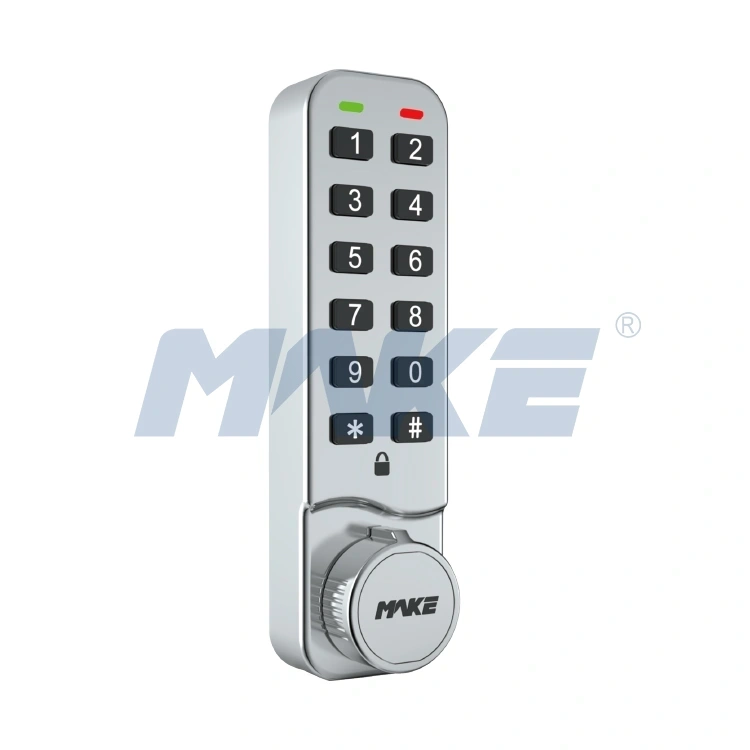
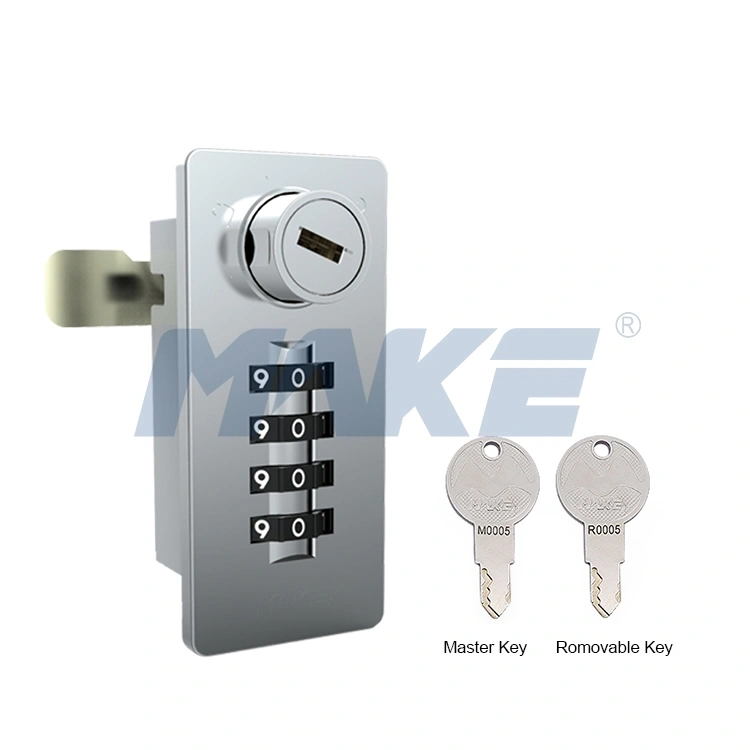
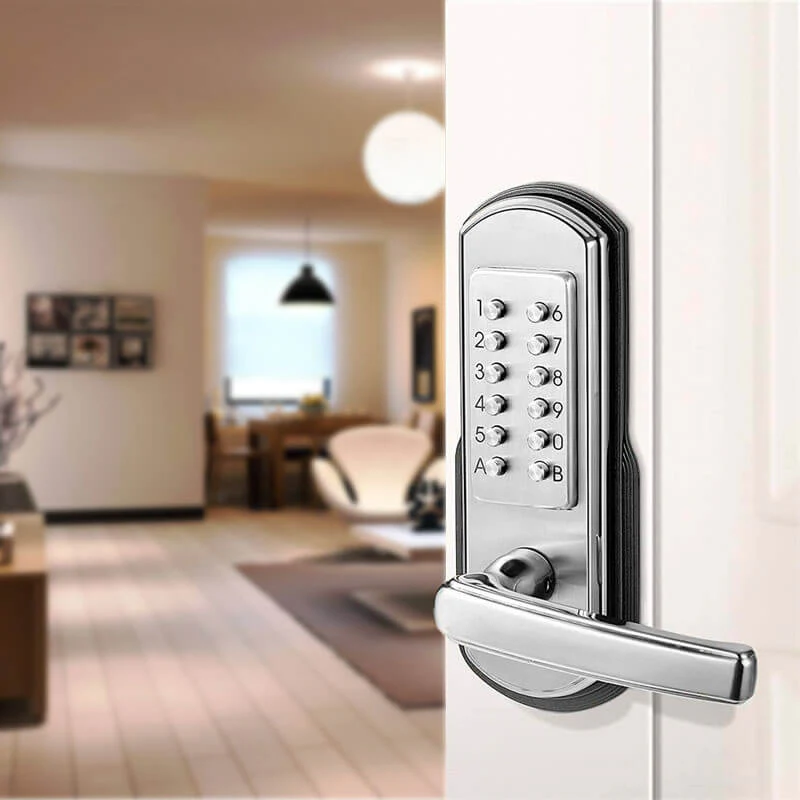
A key code door lock is an electronic locking device that grants access through a numerical code entered via a keypad or touchscreen. Unlike traditional locks that rely solely on metal keys, key code locks use electronic authentication systems to verify authorized users before unlocking the door.
These locks may operate independently or as part of a larger smart access control system. Many modern models support multiple unlocking methods, including:
Key code door locks are designed to provide higher convenience, flexible access permissions, and improved security monitoring compared to traditional mechanical locks.
The operating mechanism of a key code door lock combines electronic authentication with mechanical locking components.
User Authentication
The user enters a PIN code on the keypad or touchscreen panel. The lock’s internal microcontroller compares the entered code with stored authorized passwords.
If the code matches:
The system may trigger an alarm after multiple failed attempts
Locking Mechanism
Most key code locks use one of the following mechanical systems:
Deadbolt Mechanism
A motorized deadbolt extends or retracts based on electronic commands.
Mortise Lock System
Common in commercial buildings, providing higher security and durability.
Latch Lock System
Typically used in residential applications for convenient daily operation.
Power Supply
Most electronic key code locks are battery-powered. Common battery types include:
Smart Connectivity
Advanced smart locks may connect through:
This allows remote access management, mobile notifications, and integration with smart home ecosystems.
Different environments require different lock designs and security levels.
These are designed primarily for homes and apartments. Features often include:
Residential smart locks focus heavily on convenience and aesthetics.
Commercial-grade locks provide stronger security and more advanced access management capabilities.
Features may include:
These locks are commonly installed in offices, warehouses, and retail facilities.
Standalone locks operate independently without requiring a central management system.
Advantages include:
Network-connected systems allow centralized control and remote monitoring.
Capabilities include:
These systems are widely used in smart buildings and hospitality industries.
Some advanced models combine PIN code access with biometric authentication such as:
This multi-factor authentication significantly enhances security.
The popularity of key code door locks continues to grow due to their numerous benefits.
Users no longer need to carry physical keys. This eliminates:
Access can be granted instantly through a simple code entry.
Modern electronic locks provide advanced protection features such as:
Many smart locks also send alerts when unauthorized access attempts occur.
Key code locks allow administrators to:
This flexibility is especially valuable for:
Businesses benefit from reduced expenses associated with:
Electronic access control improves operational efficiency.
The global emphasis on hygiene and touchless technologies has accelerated demand for contactless smart locking systems.
Many modern locks support:
Manufacturers continue to develop advanced security technologies to protect against unauthorized access.
Anti-Peeping Password Protection
Some locks allow users to enter random digits before or after the actual password to prevent code theft.
Automatic Locking
Doors automatically lock after closing, reducing the risk of accidental unsecured entry.
Intrusion Alarm
Locks may trigger alarms when:
Encryption Technology
Secure encryption protocols protect communication between the lock and connected devices.
Common encryption methods include:
Remote Monitoring
Smart locks can send notifications regarding:
Materials and Construction
Durability is essential for long-term lock performance.
Zinc Alloy
Widely used for:
Stainless Steel
Preferred for commercial and industrial applications due to:
Aluminum Alloy
Offers:
Hardened Steel Components
Critical internal parts often use hardened steel for:
Key code door locks are used across numerous industries and environments.
Homeowners appreciate:
Property managers use electronic locks for:
Hotels increasingly deploy smart locks that support:
This improves customer convenience and operational efficiency.
Commercial offices use key code systems for:
Schools and universities require secure access systems for:
Electronic locks help improve campus security.
Hospitals use smart locks to secure:
Access logs improve accountability and compliance.
Factories and warehouses rely on robust electronic locks for:
Proper installation ensures reliable lock operation and long-term durability.
Users should verify:
Battery life depends on:
Some systems include backup power options.
Outdoor installations require:
IP-rated locks provide improved environmental durability.
Smart locks may require:
Reliable connectivity ensures smooth operation.
Key code door locks are increasingly integrated into smart home ecosystems.
Voice Assistant Compatibility
Many locks support:
Users can control access through voice commands.
Mobile App Control
Dedicated applications allow users to:
Smart Automation
Locks can integrate with:
Automation improves both security and convenience.
Despite rapid growth, the key code door lock industry faces several challenges.
Cybersecurity Risks
Internet-connected locks may become vulnerable to:
Manufacturers continue enhancing encryption and firmware security.
Battery Dependency
Electronic locks rely heavily on stable power supply systems.
Users must monitor:
Initial Cost
Smart locks are typically more expensive than conventional mechanical locks.
However, long-term benefits often justify the investment.
User Privacy Concerns
Connected devices collect user access data, raising concerns about:
Manufacturers must comply with evolving cybersecurity regulations.
Technological innovation continues transforming the smart lock industry.
Artificial Intelligence
This enhances predictive security capabilities.
Facial Recognition
Advanced biometric systems now support highly accurate facial authentication.
Benefits include:
Cloud-Based Access Management
Cloud technology enables:
Blockchain Security
Some developers are exploring blockchain technology for:
Energy-Efficient Design
Manufacturers are improving battery efficiency through:
The global smart lock market continues expanding rapidly.
Several factors drive industry growth:
Asia-Pacific remains a major manufacturing hub due to:
North America and Europe continue seeing strong demand for premium smart security products.
Commercial buildings, hotels, and residential developments are increasingly adopting digital access control systems as part of broader smart infrastructure initiatives.
Selecting the proper lock depends on multiple factors.
Security Level
Users should evaluate:
Application Environment
Different environments require different protection levels.
For example:
Connectivity Needs
Some users prefer:
The choice depends on convenience and cybersecurity preferences.
Ease of Installation
DIY-friendly models are ideal for residential consumers, while commercial systems often require professional installation.
Brand Reputation and Support
Reliable manufacturers typically offer:
The future of key code door locks appears highly promising as smart building technology continues advancing worldwide.
Several trends are expected to shape the market:
As consumers continue embracing digital lifestyles, demand for intelligent access control solutions will likely accelerate across residential, commercial, industrial, and institutional sectors.
The transition from traditional keys to digital credentials represents a major shift in how people manage security and building access.
Key code door locks have become an important part of modern security systems by combining convenience, flexibility, and intelligent access control. Their ability to eliminate physical keys, improve user management, and integrate with smart technologies makes them highly attractive for homes, offices, hotels, educational institutions, healthcare facilities, and industrial applications.
Advancements in wireless communication, biometric authentication, cloud computing, and AI-driven security are continuously expanding the capabilities of smart locking systems. Although challenges such as cybersecurity risks and battery dependency remain important considerations, ongoing technological improvements are making electronic locks more secure, reliable, and user-friendly.
As global demand for smart infrastructure and contactless access solutions continues growing, key code door locks are expected to play a central role in the future of intelligent building security systems worldwide.