Choosing the Right Furniture Locks for Safety, Durability, and Design
Furniture locks have evolved from simple mechanical fastening devices into essential components of modern security systems used across residential, commercial, and industrial environments. As global demand for safer storage solutions increases, furniture manufacturers and lock producers are innovating rapidly to deliver products that combine durability, convenience, aesthetics, and intelligent access control.
Today, furniture locks are widely used in office desks, filing cabinets, wardrobes, lockers, hospital storage units, retail displays, and industrial furniture systems. Their role is no longer limited to preventing unauthorized access; they now contribute to organizational efficiency, asset protection, and even digital access management in smart environments.
With the rise of modular furniture design, smart offices, and shared workspaces, the furniture lock industry has entered a new phase of transformation driven by material innovation, electronic integration, and user-centric engineering.
This article provides an in-depth industry overview of furniture locks, including selection criteria, types, applications, material technologies, security considerations, and future development trends.
As global urbanization accelerates, the need for secure personal and professional storage solutions has increased significantly. Offices are becoming more digitized, homes are integrating multifunctional furniture, and public spaces require secure shared storage systems.
Furniture locks play a key role in this ecosystem by providing:
- Protection of personal belongings
- Security for confidential documents
- Controlled access in shared environments
- Asset protection in industrial and commercial settings
- Organizational structure in workplaces and institutions
In many industries, furniture locks are now considered a standard requirement rather than an optional accessory.
The increasing adoption of hybrid work models and shared office environments has further strengthened the demand for secure, flexible, and user-friendly locking systems.
Selecting the appropriate furniture lock requires careful evaluation of several technical and functional factors. The right choice ensures long-term durability, security efficiency, and compatibility with furniture design.
Different furniture categories require different locking mechanisms due to variations in material, thickness, and usage frequency. Common furniture types include:
- Wooden furniture such as wardrobes, desks, and cabinets
- Metal furniture such as steel lockers and almirahs
- Modular office furniture systems
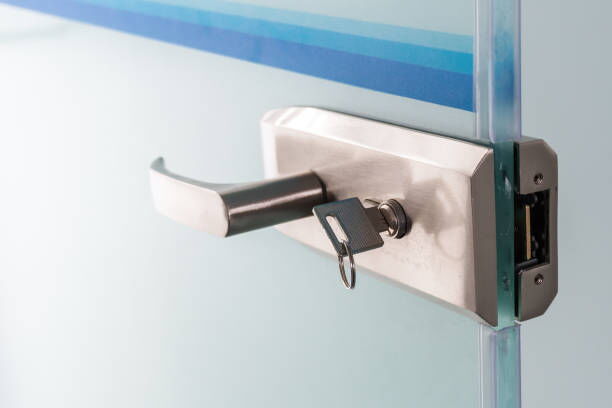
- Glass display cabinets and retail furniture
- Industrial storage units and tool cabinets
Each category requires specific lock configurations to ensure proper alignment, secure fastening, and long-term operational stability.
For example, wooden furniture typically supports cam locks and latch systems, while steel furniture often requires reinforced locking mechanisms with higher resistance to force and wear.
Security level is one of the most critical factors in selecting furniture locks. Different environments require different levels of protection.
Low-security applications include:
- Home furniture
- Temporary storage units
- Shared office desks
- Medium-security applications include:
- Corporate offices
- Educational institutions
- Retail storage areas
High-security applications include:
- Financial institutions
- Government facilities
- Data-sensitive environments
- Industrial storage systems
For high-security applications, advanced locking solutions such as digital locks, RFID systems, or combination locks are preferred due to their enhanced control and traceability features.
The frequency of lock usage significantly influences product selection.
High-frequency use environments require smooth, durable mechanisms with minimal wear resistance issues
Low-frequency use environments can utilize standard mechanical locks with basic security features
For example, office drawers used multiple times daily require high-cycle durability locks, while storage cabinets accessed occasionally can use standard cam locks.
Material selection is a critical factor affecting lock lifespan and performance. High-quality furniture locks are typically manufactured using:
Brass
Brass is widely used due to its corrosion resistance, smooth mechanical performance, and long service life. It is ideal for indoor environments where consistent performance is required.
Stainless Steel
Stainless steel offers superior strength, corrosion resistance, and mechanical durability, making it suitable for industrial and high-moisture environments.
Zinc Alloy
Zinc alloy provides a cost-effective solution with good structural integrity and design flexibility, commonly used in mass-produced furniture locks.
Material selection must also consider environmental conditions such as humidity, temperature fluctuations, and exposure to chemicals.
Modern furniture design emphasizes visual harmony and minimalism. Furniture locks must therefore integrate seamlessly into furniture structures without compromising appearance.
Key design considerations include:
- Compact and concealed lock bodies
- Minimal visible hardware
- Smooth surface finishes
- Color and texture compatibility with furniture materials
- Ergonomic operation mechanisms
Manufacturers are increasingly developing low-profile and hidden locking systems to meet modern design expectations.
Furniture locks are available in a wide range of types, each designed for specific operational needs.
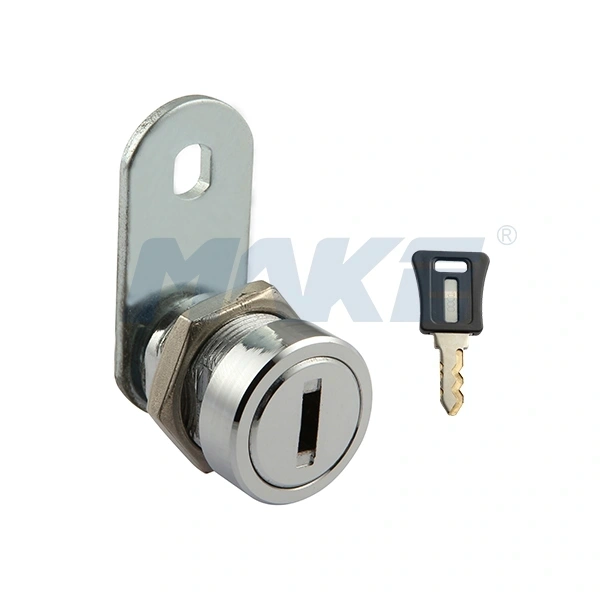
Cam locks are one of the most widely used furniture locking systems. They operate using a rotating metal cam that secures drawers or cabinet doors. Their simplicity, affordability, and reliability make them ideal for office furniture and cabinets.
Cabinet locks are designed specifically for storage units and provide moderate security. They are commonly used in homes, offices, and retail environments.
Latch locks utilize a mechanical latch mechanism to secure doors or panels. They are often used in wooden furniture where quick access is required.
Push locks offer convenience by allowing users to lock or unlock furniture with a simple push action. These locks are commonly used in modern modular furniture systems.
Switch locks provide multi-position control, allowing different locking states depending on user requirements. They are used in specialized furniture systems and technical storage units.
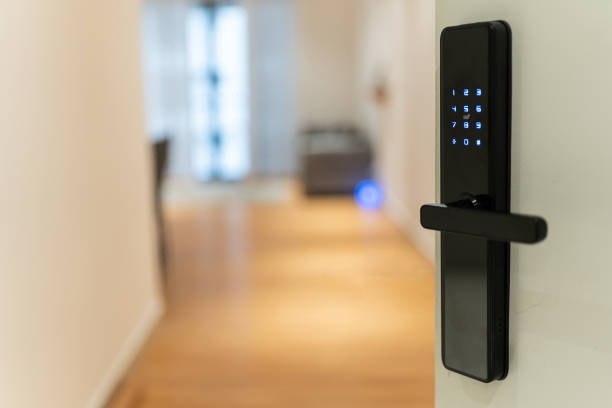
RFID furniture locks represent a major advancement in smart security systems. They allow access using RFID cards, tags, or mobile authentication. These locks are widely used in hotels, offices, and smart storage environments.
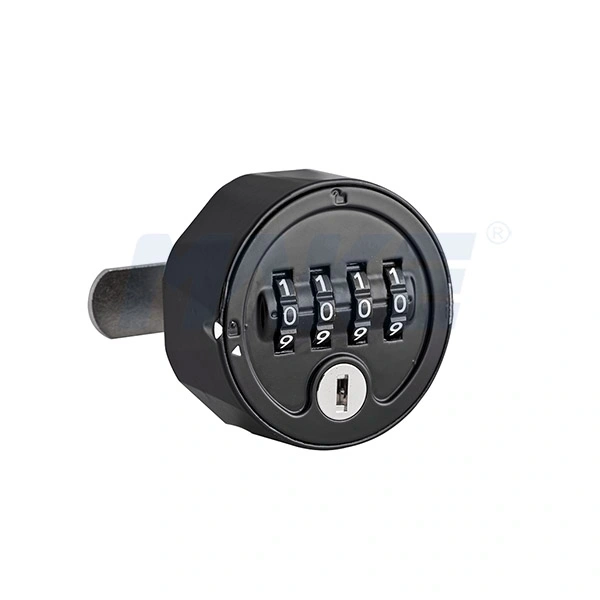
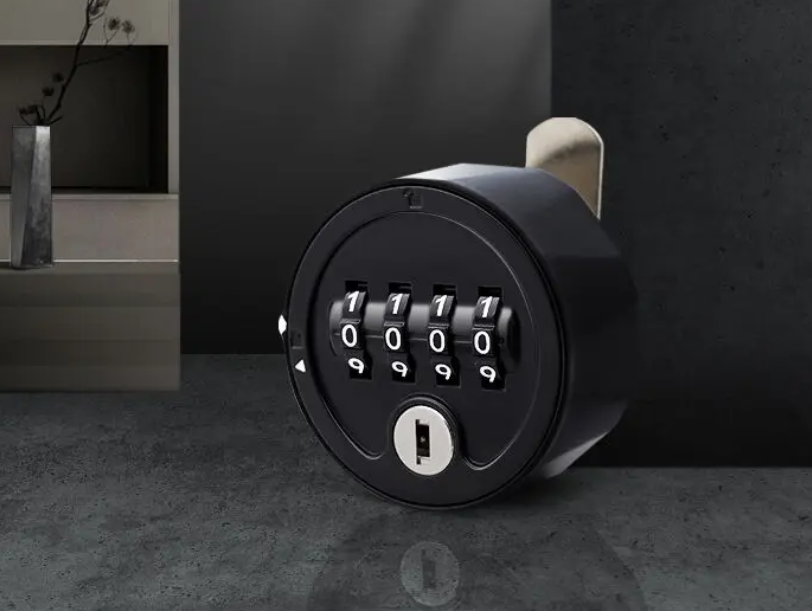
Combination locks eliminate the need for physical keys and rely on numeric or alphanumeric codes. They are ideal for shared environments such as gyms, schools, and coworking spaces.
Coin-operated locks are widely used in public spaces such as amusement parks, swimming pools, and transportation hubs. They provide temporary access in exchange for payment, making them suitable for high-turnover environments.
Furniture locks serve a wide range of industries, each with unique security and operational requirements.
Residential Sector
In homes, furniture locks are used in wardrobes, drawers, cabinets, and storage units to protect valuables, personal documents, and household items.
Corporate Offices
Office environments rely heavily on furniture locks to secure confidential files, employee belongings, and sensitive documents.
Educational Institutions
Schools and universities use furniture locks in lockers, laboratories, and administrative storage systems to maintain order and security.
Healthcare Facilities
Hospitals and clinics require secure storage systems for pharmaceuticals, medical records, and equipment, making furniture locks essential.
Hospitality Industry
Hotels increasingly use electronic and RFID furniture locks for guest storage, in-room safes, and service cabinets.
Retail and Commercial Spaces
Retail environments use furniture locks for display cabinets, cash storage units, and inventory control systems.
Industrial Applications
Industrial facilities require heavy-duty furniture locks for tool storage, equipment cabinets, and operational documentation security.
The furniture lock industry is undergoing significant technological transformation driven by digitalization and smart infrastructure development.
IoT-enabled furniture locks allow remote access control, monitoring, and management through mobile applications or centralized systems.
RFID and NFC-based locks are becoming increasingly popular due to their convenience, speed, and secure authentication capabilities.
Modern furniture locks are increasingly adopting keyless systems, reducing the risk of lost keys and improving operational efficiency.
Manufacturers are developing smaller, more compact locking systems that integrate seamlessly into minimalist furniture designs.
Advanced anti-drill, anti-pick, and anti-tamper technologies are being incorporated into modern lock designs to improve security levels.
MAKE is a leading manufacturer specializing in advanced furniture locking systems designed for global markets. The company provides a comprehensive product range suitable for diverse applications across commercial, industrial, and residential sectors.
MAKE's product portfolio includes:
- Cam locks
- Passive electronic locks
- Cabinet locks
- Latch locks
- Push locks
- Switch locks
- RFID smart locks
- Combination locks
- Coin-operated locker locks
MAKE focuses on delivering high-performance locking solutions that combine durability, security, and modern design integration. The company's engineering approach emphasizes precision manufacturing, material optimization, and continuous innovation to meet evolving global demand.
The future of furniture locks is shaped by technological advancement, sustainability concerns, and changing user behavior.
Smart Ecosystem Integration
Furniture locks will increasingly integrate with smart building systems and IoT platforms, enabling centralized control and automation.
Sustainability and Eco-Friendly Materials
Manufacturers are adopting recyclable materials and environmentally friendly production processes.
Increased Demand for Customization
Clients increasingly require customized locking solutions tailored to specific furniture designs and security needs.
Expansion of Digital Access Control
Digital authentication methods such as biometric verification, mobile unlocking, and cloud-based access management are expected to grow significantly.
Growth of Shared and Modular Spaces
The rise of coworking spaces, shared offices, and modular living environments will continue to drive demand for flexible locking systems.
Furniture locks have become an essential component of modern furniture systems, supporting security, organization, and operational efficiency across a wide range of industries. As technology continues to advance, furniture locks are evolving into intelligent access control systems that integrate mechanical strength with digital innovation.
From traditional cam locks to advanced RFID and smart locking systems, the industry is moving toward greater efficiency, security, and user convenience. Companies like MAKE are at the forefront of this transformation, providing innovative and reliable solutions that meet the growing global demand for secure furniture systems.
The continued development of furniture lock technology will play a vital role in shaping the future of residential, commercial, and industrial storage solutions worldwide.