Smart Security Solutions: Choosing the Best Electronic Keypad Lock for Your Property
In today's fast-paced world, the demand for reliable security solutions has grown exponentially. Traditional mechanical locks, while still widely used, have limitations that modern electronic systems overcome. Electronic keypad locks have emerged as a technological solution that blends convenience, security, and adaptability. These locks allow users to enter a secure area by inputting a digital code, eliminating the need for physical keys. Their versatility makes them suitable for residential homes, offices, hotels, healthcare facilities, warehouses, and high-security areas.
By integrating modern technology with access control, electronic keypad locks have redefined security standards. They not only provide convenience but also add layers of protection that traditional locks cannot match. With features such as temporary access codes, smartphone connectivity, and biometric options, these devices offer a future-proof solution for modern security needs.
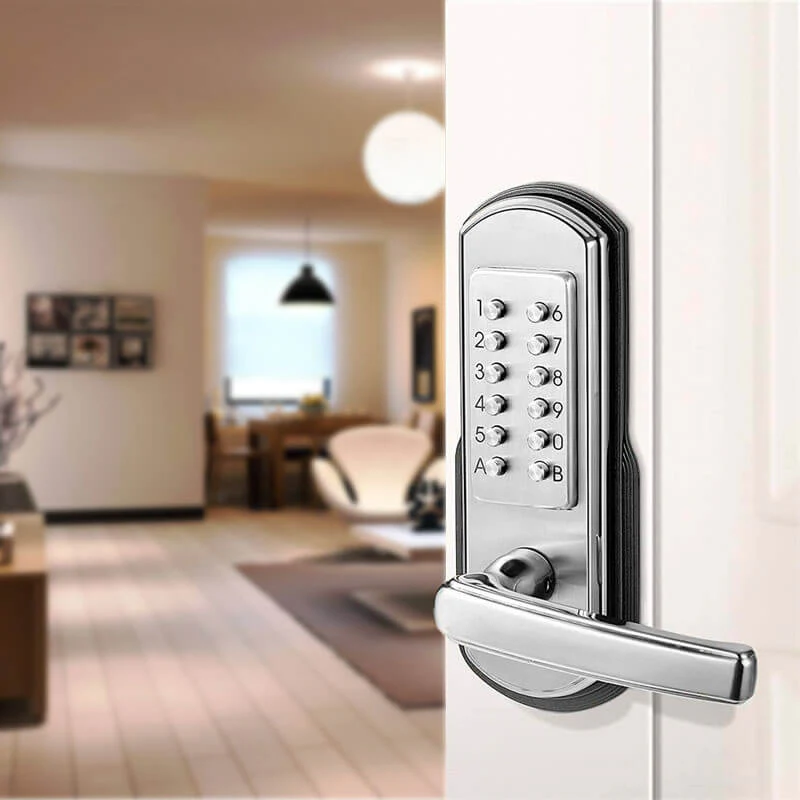
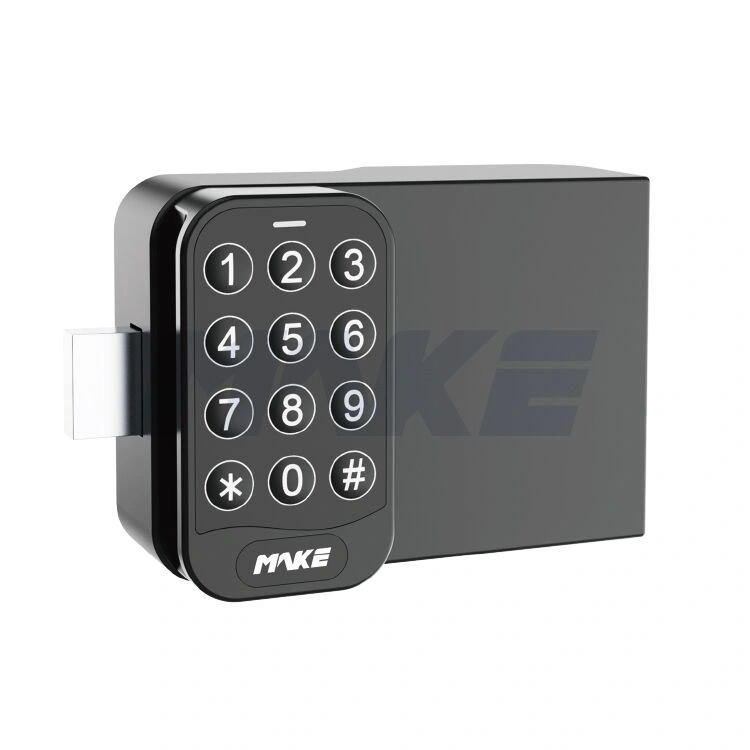
An electronic keypad lock is a smart locking device designed to control access through digital means. Unlike conventional locks that rely on keys, keypad locks use a combination of electronic components and user input codes. A user enters a personal identification number (PIN) or digital code into a keypad, which communicates with an internal circuit to release the locking mechanism.
Modern keypad locks come in multiple designs, including:
- Standalone Keypad Locks: Operate independently without integration into broader systems. Ideal for homes or small offices.
- Networked or Smart Keypad Locks: Connect to a local network or cloud-based system, allowing remote access, monitoring, and integration with smart home or office platforms.
- Biometric-Enhanced Keypad Locks: Combine PIN entry with fingerprint or facial recognition for higher security.
The flexibility of these devices allows them to be adapted to various access points, from simple residential doors to complex commercial security networks.
When considering electronic keypad locks, it is essential to understand their benefits fully.
One of the most compelling reasons to adopt keypad locks is convenience. Keys can be lost, stolen, or forgotten, creating both stress and security risks. Keypad locks eliminate these concerns. For households, this means that children, elderly family members, or guests can access the property without needing a physical key. For businesses, it simplifies employee access management, reducing administrative overhead and preventing unauthorized duplication of keys.
Moreover, many locks allow for multiple user codes, enabling different levels of access. Temporary codes can be issued for short-term guests, contractors, or maintenance personnel. This eliminates the need for key distribution and significantly streamlines security management.
Contrary to skepticism, keypad locks can offer superior security compared to traditional mechanical locks.
- Keyless Design: Without a physical keyhole, these locks are resistant to conventional tampering techniques such as picking or bumping.
- Customizable Codes: Users can create long, complex PINs that are difficult to guess. Codes can also be changed at any time, enhancing security flexibility.
- Access Logs: Some advanced models record entry attempts, providing property owners with a detailed audit trail.
- Intruder Alerts: Certain models can send alerts to a smartphone or central monitoring system if multiple failed attempts are detected, acting as an active deterrent against break-ins.
These features collectively provide a higher level of security, particularly in high-risk areas or where access control is essential.
While electronic locks may have a higher upfront cost than traditional locks, they provide long-term value. Properties equipped with modern access control systems often enjoy higher market appeal. Prospective tenants or buyers perceive these homes or offices as safer and more technologically advanced, potentially increasing property value.
Additionally, keypad locks reduce costs associated with key management, including lost keys, lock replacements, and locksmith services. Over time, this contributes to cost savings while maintaining high security standards.
Electronic keypad locks often integrate seamlessly with broader security or automation systems. Smart locks can connect with:
- Security Cameras: Allowing property owners to verify who is entering or exiting.
- Home Automation Platforms: Enabling scheduled locking/unlocking, voice assistant integration, and remote access.
- Alarms and Sensors: Triggering alerts if unauthorized access is attempted.
This integration offers a comprehensive security ecosystem that goes beyond basic lock-and-key functionality. Users can monitor and control access in real time, even from remote locations, enhancing both convenience and security.
High-quality electronic keypad locks are built to last. Many feature weatherproof housings for outdoor installations and are engineered to resist tampering. Mechanical components work in tandem with electronic circuits to ensure smooth operation. Batteries in these devices are designed to last for months, and low-battery warnings prevent lockouts. In addition, many models are designed for easy maintenance, reducing the need for frequent interventions.
Electronic keypad locks allow administrators to manage multiple users efficiently. Features include:
- Multiple Codes: Assign unique codes to each user.
- Temporary Access: Provide short-term codes for contractors, guests, or delivery personnel.
- Revocation of Access: Quickly revoke access without replacing locks or keys.
- Scheduled Access: Set time-specific codes for limited access windows.
This level of control is impossible with traditional locks and highly valuable for offices, hospitality, or healthcare settings where access must be carefully monitored.
Electronic keypad locks are versatile and can be used in a variety of settings:
- Residential Homes: Offers families a convenient and secure entry solution.
- Offices: Streamlines employee access management, reducing the risks associated with lost keys.
- Hotels: Facilitates temporary guest access without physical keys, enhancing guest convenience and staff efficiency.
- Healthcare Facilities: Controls access to restricted areas such as labs, pharmacies, or patient records.
- Industrial Sites and Warehouses: Secures sensitive equipment and inventory while tracking entry logs for compliance.
The adaptability of these locks makes them suitable for nearly any environment that requires reliable access control.
While the advantages of keypad locks are extensive, it is essential to be aware of potential limitations:
- Power Dependence: Most keypad locks rely on batteries or external power. While backup options are often included, power failure can temporarily restrict access.
- Technical Malfunctions: As with any electronic device, failures can occur, making it critical to choose reliable brands and maintain proper support.
- Cybersecurity Risks: Smart locks connected to networks may be vulnerable to hacking. Regular firmware updates and secure password practices are necessary to mitigate these risks.
Proper maintenance ensures that electronic keypad locks remain reliable, secure, and long-lasting. One of the most critical aspects of maintenance is monitoring the battery level. Most keypad locks run on AA or lithium batteries, and low battery warnings should never be ignored. Replacing batteries promptly prevents lockouts and ensures uninterrupted functionality.
Regular cleaning of the keypad and lock body is also important. Dust, dirt, and debris can accumulate on the keys or inside the mechanism, potentially affecting performance. Use a soft, dry cloth for the keypad, and avoid harsh chemicals that could damage the electronic components. For outdoor locks, check for signs of weather-related wear, such as corrosion or moisture ingress, and address them promptly to prevent malfunctions.
It is advisable to periodically test all access codes, including temporary and administrative codes, to ensure proper functionality. Additionally, updating firmware for smart locks helps maintain cybersecurity and system efficiency.
Finally, lubricating the mechanical components of the lock with a light, non-conductive lubricant can reduce friction and prevent wear. By following these simple maintenance practices, electronic keypad locks can deliver reliable, secure, and long-lasting performance, safeguarding properties and ensuring peace of mind.
The electronic keypad lock market has grown rapidly due to increased security awareness, technological advancements, and smart home adoption. Key trends include:
- Smart Integration: Consumers increasingly prefer locks that integrate with mobile apps, voice assistants, and security systems.
- Biometric Features: Fingerprint and facial recognition are becoming standard in high-security models.
- Eco-Friendly Designs: Energy-efficient locks with long-lasting batteries or solar-assisted designs are gaining popularity.
- Rising Demand in Commercial Spaces: Offices, hotels, and industrial sites increasingly adopt keypad locks to enhance operational efficiency and safety.
These trends indicate that electronic keypad locks are not just a convenience but an essential component of modern security systems.
The future of electronic keypad locks lies in innovation and integration. As IoT technology continues to advance, we can expect:
- Cloud-Based Access Control: Allowing real-time monitoring and management from any location.
- AI-Powered Security Features: Predictive analytics to identify suspicious activity before breaches occur.
- Seamless Multi-Layer Security: Combining biometric, PIN, and smartphone authentication for maximum protection.
- Sustainable Design: Eco-friendly materials and energy-efficient electronics becoming standard in next-generation locks.
The continued evolution of keypad locks will redefine security standards, offering smarter, safer, and more efficient solutions for both residential and commercial applications.
Electronic keypad locks have revolutionized the way we approach access control. Combining convenience, security, and adaptability, these smart devices address the limitations of traditional locks while offering advanced features tailored to modern lifestyles and business needs.
From homes to offices, hotels, healthcare facilities, and industrial sites, keypad locks enhance safety, simplify access management, and increase property value. Their integration with smart home systems, customizable user codes, and robust security features make them an essential investment in today's security-conscious world.
By embracing electronic keypad locks, property owners can achieve a balance between convenience and safety, ensuring peace of mind and long-term value. As technology advances, these devices will continue to set new standards for security and access control, shaping the future of how we secure our most valuable spaces.