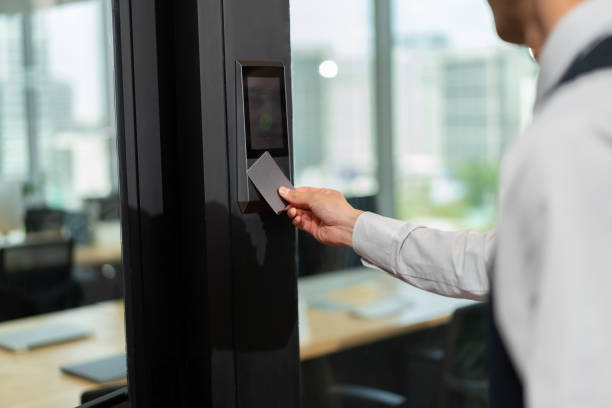
Keyless Door Locks: Modern Solutions for Home and Commercial Security
In today's world, convenience and security are no longer mutually exclusive. Keyless door locks—also known as smart locks or digital locks—have revolutionized the way people secure their homes, offices, and commercial spaces. Unlike traditional locks that rely on physical keys, keyless door locks offer alternative access methods, including key fobs, key cards, numeric codes, smartphones, and biometric credentials. This digital transformation eliminates the risks associated with lost or stolen keys and allows property owners to enjoy unprecedented control over who enters their premises.
Keyless door locks are now an integral part of smart home and smart building ecosystems. They provide not only enhanced security but also features like remote access, integration with home automation systems, and energy efficiency. As technology advances, these locks are becoming increasingly sophisticated, offering security solutions that were once unimaginable.
This article explores keyless door locks in depth, covering their types, security considerations, technological features, benefits, industry trends, and practical applications in residential, commercial, and institutional settings.
Keyless door locks are locking mechanisms that allow access without the use of a traditional physical key. Instead, these systems rely on digital authentication methods, including:
- Key fobs or cards – Similar to hotel room access cards, these devices communicate wirelessly with the lock.
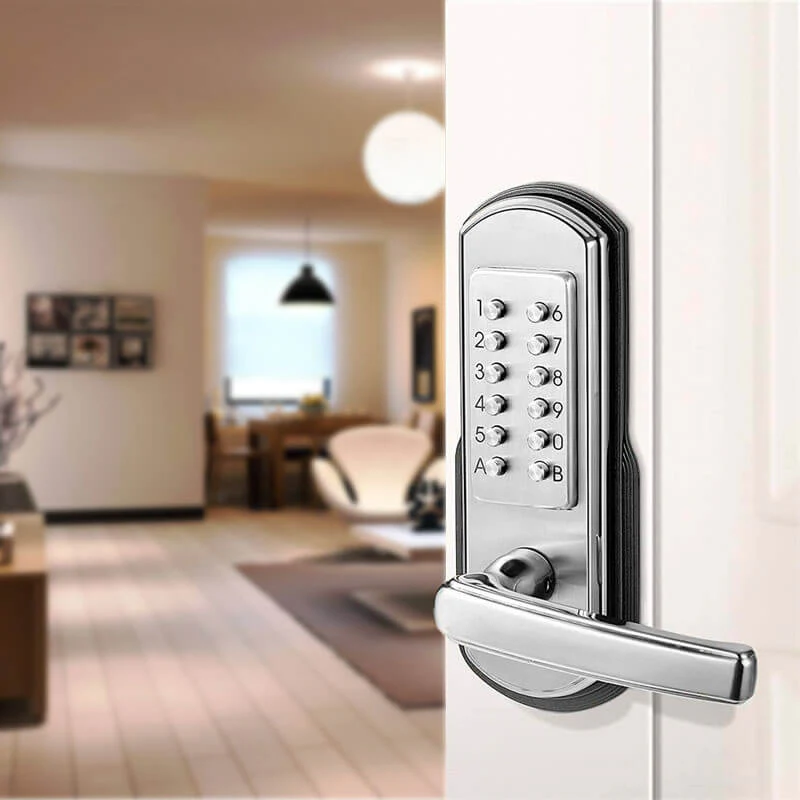
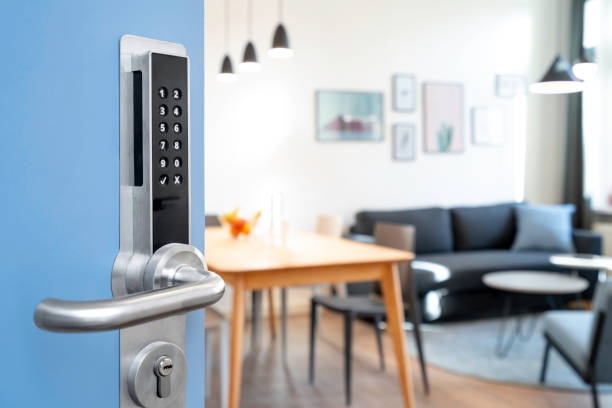
- Keypads – Users enter numeric codes to unlock the door.
- Smartphones – Many locks pair with mobile apps via Bluetooth, Wi-Fi, or NFC, allowing for remote unlocking.
- Biometric credentials – Fingerprint scanners, facial recognition, or retinal scans ensure only authorized individuals gain entry.
By removing the need for physical keys, keyless locks address a major vulnerability of traditional systems: stolen, lost, or copied keys. With modern encryption protocols and authentication methods, keyless locks make unauthorized entry increasingly difficult, even for determined intruders.
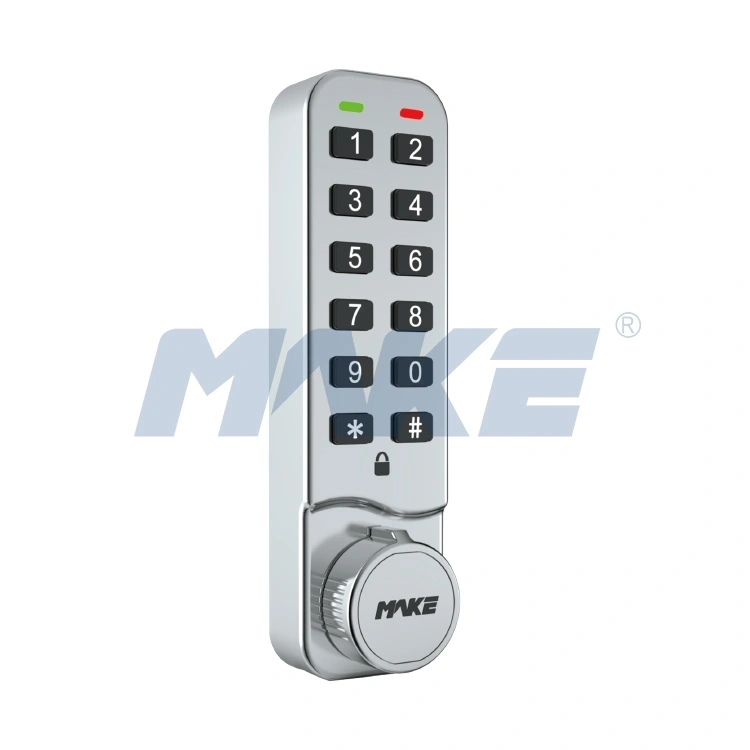
Safety is a major concern for consumers considering keyless door locks. The short answer is yes: keyless entry systems are generally safe, but their security level varies depending on the technology used.
Some keyless systems still rely on items that could be stolen or duplicated, such as key cards or fobs. If an unauthorized individual obtains the device, they can gain access to the property. This is why key fobs often come with encryption and limited authorization times, restricting access to certain periods.
Locks that use codes or biometrics are typically safer, as it is far harder for someone to guess a passcode or forge a fingerprint. Advanced systems incorporate multi-factor authentication, adding another layer of protection. For instance, a lock may require both a mobile app verification and a biometric scan to grant access.
Security also depends on network and software safety. Smart locks connected to home Wi-Fi networks or cloud services should be updated regularly to prevent hacking attempts. Choosing locks with robust encryption and reputable software support is crucial to maintaining security.
Smart locks are an evolution of keyless door locks, combining digital access with automation and connectivity. While all smart locks are keyless, not all keyless locks are smart. The "smart" designation indicates enhanced features such as remote access, integration with virtual assistants, or automated routines.
- Keypad Codes – Users can enter numeric passwords to unlock doors. Some systems allow temporary codes for guests or service personnel.
- Smartphone Connectivity – Bluetooth or Wi-Fi-enabled locks can be controlled via mobile apps. Users can lock or unlock doors remotely, receive activity alerts, and manage multiple access permissions.
- Voice Command – Integration with virtual assistants like Amazon Alexa, Google Assistant, or Apple HomeKit enables hands-free operation.
- Biometric Input – Fingerprint scanners or facial recognition ensure the lock only opens for authorized users. Some systems even log entry and exit times.
Smart locks provide a high level of convenience while enhancing security. By leveraging digital technologies, they allow homeowners and businesses to tailor access according to individual needs.
Keyless door locks offer a wide range of advantages over traditional locks, making them increasingly popular in both residential and commercial applications.
Forget about fumbling for keys in your purse or pocket. With keyless door locks, you can unlock your door using a code, fingerprint, smartphone, or key fob. This convenience is especially valuable for:
- Busy professionals
- Elderly or mobility-impaired individuals
- Families managing multiple access points
Some systems even offer auto-unlock features, detecting your presence and unlocking the door without manual input.
Modern keyless locks provide stronger protection than traditional locks. Biometric scans and unique codes are difficult to replicate, reducing the risk of unauthorized entry. Many locks feature:
- Tamper alerts
- Failed access notifications
- Anti-peep code features that allow you to enter decoy numbers alongside the correct code
These security enhancements offer peace of mind to homeowners and business owners alike.
Smart locks allow property owners to manage access from anywhere. This is particularly useful for:
- Granting temporary access to service personnel or delivery providers
- Monitoring who enters or exits your property
- Checking the lock status remotely to ensure doors are secure
Remote management also supports multi-location access control for commercial and institutional properties.
Keyless door locks can be connected to smart home systems to automate routines. Examples include:
- Turning on lights when the door unlocks
- Adjusting thermostats upon entry or exit
- Activating security cameras or alarms
Integration with virtual assistants allows voice-controlled access and real-time notifications.
Some smart locks contribute to energy management. By detecting occupancy, they can coordinate with heating or cooling systems to reduce energy consumption when a space is unoccupied. This feature is especially useful for:
- Commercial offices
- Vacation rentals
- Multi-family residential buildings
Understanding the different types of keyless locks helps property owners choose the best solution for their needs.
Keypad locks require a numeric code to gain entry. They are affordable, reliable, and easy to install. Some models allow multiple temporary codes, perfect for guests or service staff.
These locks use Bluetooth, Wi-Fi, or NFC connectivity. They allow remote access, status monitoring, and integration with mobile apps. Some even generate temporary access codes automatically.
Biometric locks offer superior security by using fingerprints, facial recognition, or retinal scans. They are highly resistant to unauthorized access but may be more expensive than other systems.
Common in commercial buildings or gated communities, these locks rely on RFID or NFC-enabled cards or fobs. Access permissions can be easily modified or revoked, making them ideal for businesses.
Keyless locks are versatile and used across many settings:
- Enhances home security
- Provides convenience for busy households
- Supports smart home automation
- Enables flexible access for tenants
- Reduces risk of lost keys
- Simplifies property management
- Offers access control for employees and contractors
- Logs entry and exit times for security compliance
- Integrates with surveillance and alarm systems
- Hotels use key cards for temporary guest access
- Hospitals use biometric or code-based systems for secure areas
- Vacation rentals benefit from temporary codes for short-term guests
The keyless lock market is rapidly expanding, driven by technology adoption, consumer demand, and smart home integration.
Biometric locks are gaining popularity in both homes and businesses, offering high security and reducing the risk of lost or copied keys.
Smart locks increasingly connect to home automation platforms, enabling personalized routines and remote monitoring.
Mobile apps are central to modern keyless systems, allowing homeowners and managers to control multiple properties from a single device.
Manufacturers are investing in encryption, secure cloud connectivity, and software updates to prevent hacking and unauthorized access.
Combining biometric, code, and mobile access improves security while maintaining convenience.
While keyless door locks offer many benefits, some challenges remain:
- Cost – High-end smart locks can be more expensive than traditional locks.
- Power Dependence – Most electronic locks rely on batteries or electricity. Backup solutions are essential.
- Cybersecurity Risks – Connected locks may be vulnerable to hacking if not properly updated.
- User Education – Users must understand how to manage codes, biometric profiles, and remote access securely.
Keyless door locks represent a significant evolution in security technology. By eliminating traditional keys and leveraging digital authentication, these locks offer convenience, enhanced security, and seamless integration with smart home and commercial systems. From residential properties to corporate offices, multi-family complexes, and hospitality environments, keyless door locks provide practical, modern solutions for access control.
As technology continues to evolve, the adoption of smart locks will only increase, with features like biometric authentication, remote access, energy management, and IoT integration shaping the future of secure, convenient, and intelligent door access.
For homeowners, property managers, and businesses, keyless door locks are more than a convenience—they are a necessary tool for modern security in an increasingly connected world.