How Keyless RFID Locks Are Transforming Workplace Security
Mar 23, 2026 / Industry News / 38 views
In an era where efficiency, security, and convenience are paramount, traditional lock-and-key mechanisms are rapidly giving way to more advanced, technology-driven solutions. Among these innovations, RFID (Radio Frequency Identification) technology has emerged as a cornerstone of modern access control systems. By using electromagnetic fields to enable wireless communication between a reader and a tag, RFID technology eliminates the need for physical contact, offering a seamless and highly secure method of authentication.
Originally developed for tracking and identification purposes, RFID technology has found widespread applications across numerous industries. Logistics companies rely on RFID systems to monitor the movement of goods, vehicles, and shipments in real time, improving supply chain visibility and operational efficiency. In aviation, RFID assists in baggage tracking and aircraft maintenance management. Even in agriculture, farmers use RFID tags to identify, monitor, and manage livestock with remarkable precision.
As industries increasingly adopt digital transformation strategies, access control providers have recognized the immense potential of RFID technology. Moving beyond conventional locks, they have integrated RFID into keyless locking systems that deliver enhanced security, flexibility, and user convenience. These keyless RFID locks are now redefining how organizations manage access to physical assets, from office furniture and storage units to secure facilities and sensitive workspaces.
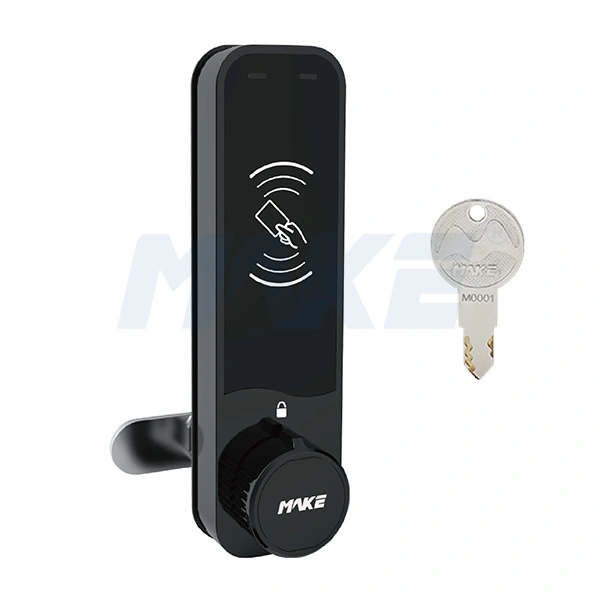
The modern workplace is evolving rapidly, driven by trends such as flexible working arrangements, hot desking, and the increasing need for secure yet adaptable infrastructure. In this context, RFID electronic locks have gained significant traction as organizations seek smarter ways to manage access control.
One of the primary reasons behind this surge in adoption is the advanced security offered by RFID-based systems. Unlike traditional keys, which can be easily duplicated or lost, RFID credentials—such as cards, badges, or fobs—are uniquely encoded and difficult to replicate. This significantly reduces the risk of unauthorized access and enhances overall workplace security.
Moreover, RFID locks provide a touchless experience, which has become increasingly important in the wake of global health concerns. Employees can unlock storage units or doors simply by tapping or bringing their RFID credential close to the reader, eliminating the need for physical contact with shared surfaces. This not only improves hygiene but also enhances user convenience.
Another key advantage is the versatility of RFID locks across various workplace applications. These locks can be installed on:
This flexibility allows organizations to implement a unified access control system across different types of storage and work environments.
Installation is another area where RFID locks excel. Many systems are designed to be wire-free, using battery-powered mechanisms that eliminate the need for complex wiring or infrastructure modifications. This makes them ideal for both new installations and retrofitting existing furniture or storage units. Businesses can upgrade their security systems with minimal disruption to daily operations, avoiding costly downtime and extensive renovations.
One of the most compelling benefits of RFID locks is the convenience they offer. Traditional keys, while familiar, come with a host of challenges. Employees frequently misplace them, forget them at home, or accidentally lock them inside drawers or cabinets. Replacing lost or stolen keys can be time-consuming and costly, particularly in large organizations where multiple locks may need to be rekeyed.
Keyless RFID systems eliminate these issues entirely. Instead of carrying a physical key, employees can use an RFID badge or fob to access authorized locks. A simple tap or wave is all it takes to unlock a cabinet or locker, streamlining daily routines and improving productivity.
For organizations that already use RFID-enabled employee identification cards, the transition to RFID locks is even more seamless. The same credential used for building access, time tracking, or parking can also be used to unlock storage units and office furniture. This consolidation of access credentials simplifies the user experience and reduces the need for multiple cards or keys.
From an administrative perspective, RFID systems also offer significant advantages. Access permissions can be easily managed and updated through centralized software. If an employee changes roles or leaves the organization, their access rights can be modified or revoked instantly, without the need to collect physical keys or replace locks. This level of control enhances security while reducing administrative overhead.
Security is a critical concern for any organization, particularly those handling sensitive information or valuable assets. RFID locks provide a higher level of security compared to traditional locking mechanisms, thanks to their digital and programmable nature.
Each RFID credential is uniquely encoded, making it extremely difficult to duplicate. Additionally, many RFID systems support encryption and authentication protocols that further protect against unauthorized access. This ensures that only authorized individuals can gain entry to secured areas or storage units.
Another important feature is auditability. Many RFID lock systems can record access events, including who accessed a lock and when. This creates a digital audit trail that can be invaluable for security investigations, compliance requirements, and operational monitoring. In the event of a security breach or discrepancy, administrators can quickly identify the source of the issue.
Furthermore, RFID locks can be integrated with broader access control systems, enabling organizations to implement multi-layered security strategies. For example, access to certain areas can be restricted based on time schedules, user roles, or security clearance levels. This level of customization allows businesses to tailor their security systems to their specific needs.
As organizations grow and evolve, their access control needs often change. RFID locks offer the flexibility and scalability required to adapt to these changes without significant investment or disruption.
New locks can be easily added to the system, and existing ones can be reconfigured to accommodate different access requirements. This is particularly beneficial for businesses that frequently reorganize their office layouts or expand their operations.
RFID systems also support a wide range of credential types, including cards, key fobs, wristbands, and even mobile devices. This allows organizations to choose the most suitable option for their workforce and operational environment.
In addition, many RFID lock solutions are compatible with cloud-based management platforms, enabling remote monitoring and control. Administrators can manage access permissions, track usage, and receive alerts from anywhere, providing greater visibility and control over the system.
While RFID locks are widely used in corporate offices, their applications extend far beyond the workplace. Various industries are leveraging this technology to enhance security and streamline operations.
In office environments, RFID locks are commonly used for employee lockers, desk drawers, and shared storage units. They support flexible work arrangements such as hot desking, where employees do not have assigned workspaces.
Hospitals and clinics use RFID locks to secure medical supplies, patient records, and controlled substances. The ability to track access is particularly important for compliance and accountability.
Schools and universities use RFID systems for student lockers, faculty offices, and laboratory storage. These systems improve security while simplifying access management for large populations.
Hotels and resorts use RFID technology for guest room access, as well as for securing staff areas and storage facilities. RFID-enabled key cards enhance the guest experience by providing quick and convenient access.
In industrial settings, RFID locks are used to secure tools, equipment, and sensitive materials. They help prevent unauthorized access and improve inventory control.
Although the initial investment in RFID lock systems may be higher than traditional locks, the long-term benefits often outweigh the costs. Businesses can achieve significant savings by eliminating expenses associated with key replacement, lock rekeying, and security breaches.
The durability and reliability of RFID systems also contribute to their cost-effectiveness. With fewer mechanical components, these locks are less prone to wear and tear, resulting in lower maintenance requirements.
Additionally, the efficiency gains from streamlined access control and reduced administrative workload can lead to improved productivity and operational performance.
Despite their many advantages, RFID locks are not without challenges. Organizations should carefully consider factors such as system compatibility, data security, and user training when implementing RFID solutions.
Data security is a particularly important concern, as RFID systems rely on digital communication. Proper encryption and security protocols must be in place to protect against hacking or unauthorized access.
Battery life is another consideration for wireless RFID locks. Regular maintenance and monitoring are necessary to ensure that locks remain operational.
Finally, user adoption is critical to the success of any new technology. Employees should be properly trained on how to use RFID systems and understand the benefits they offer.
As technology continues to advance, RFID lock systems are expected to become even more sophisticated. Integration with the Internet of Things (IoT) will enable smarter and more connected environments, where access control systems can interact with other devices and systems.
Mobile credentials are also gaining popularity, allowing users to access locks באמצעות smartphones instead of physical cards or fobs. This further enhances convenience and reduces the need for additional hardware.
Artificial intelligence and data analytics may also play a role in the future of RFID systems, providing insights into usage patterns and helping organizations optimize their security strategies.
Keyless RFID locks represent a significant advancement in access control technology, offering a powerful combination of security, convenience, and flexibility. By eliminating the need for physical keys and enabling seamless, touchless access, these systems address many of the challenges associated with traditional locking mechanisms.
From corporate offices to healthcare facilities and industrial environments, RFID locks are transforming the way organizations manage access to their assets and spaces. As businesses continue to prioritize efficiency and security, the adoption of RFID technology is set to grow even further.
Ultimately, the shift toward keyless solutions is not just a technological upgrade—it is a strategic investment in smarter, safer, and more efficient operations.