The Victory Was No Accident: MAKE Has Built a Moat with Its Patents!
The victory was no accident—MAKE has built a strong competitive moat through patents.
What should a company do when its patented technology is infringed? This case shows how MAKE took decisive legal action to protect its innovation and uphold its intellectual property rights.
In October 2025, Xiamen MAKE Technology Co., Ltd. (hereinafter referred to as “MAKE”) filed a patent infringement lawsuit against Ningbo XX Lock Industry Co., Ltd. (“Ningbo XX”) and Cixi XX Industrial Co., Ltd. (“Cixi XX”).
MAKE alleged that a password lock manufactured and sold by Ningbo XX infringed upon a utility model patent owned by MAKE. Given that Ningbo XX and Cixi XX share the same sole shareholder and are closely related in business operations, MAKE requested that both companies bear joint liability for economic losses resulting from the infringement.
On February 5, 2015, MAKE applied to the State Intellectual Property Office for a utility model patent entitled "A Password Lock Structure That Allows for Easy Password Recovery," which was officially granted on September 2, 2015, under patent number ZL201520081730.9.
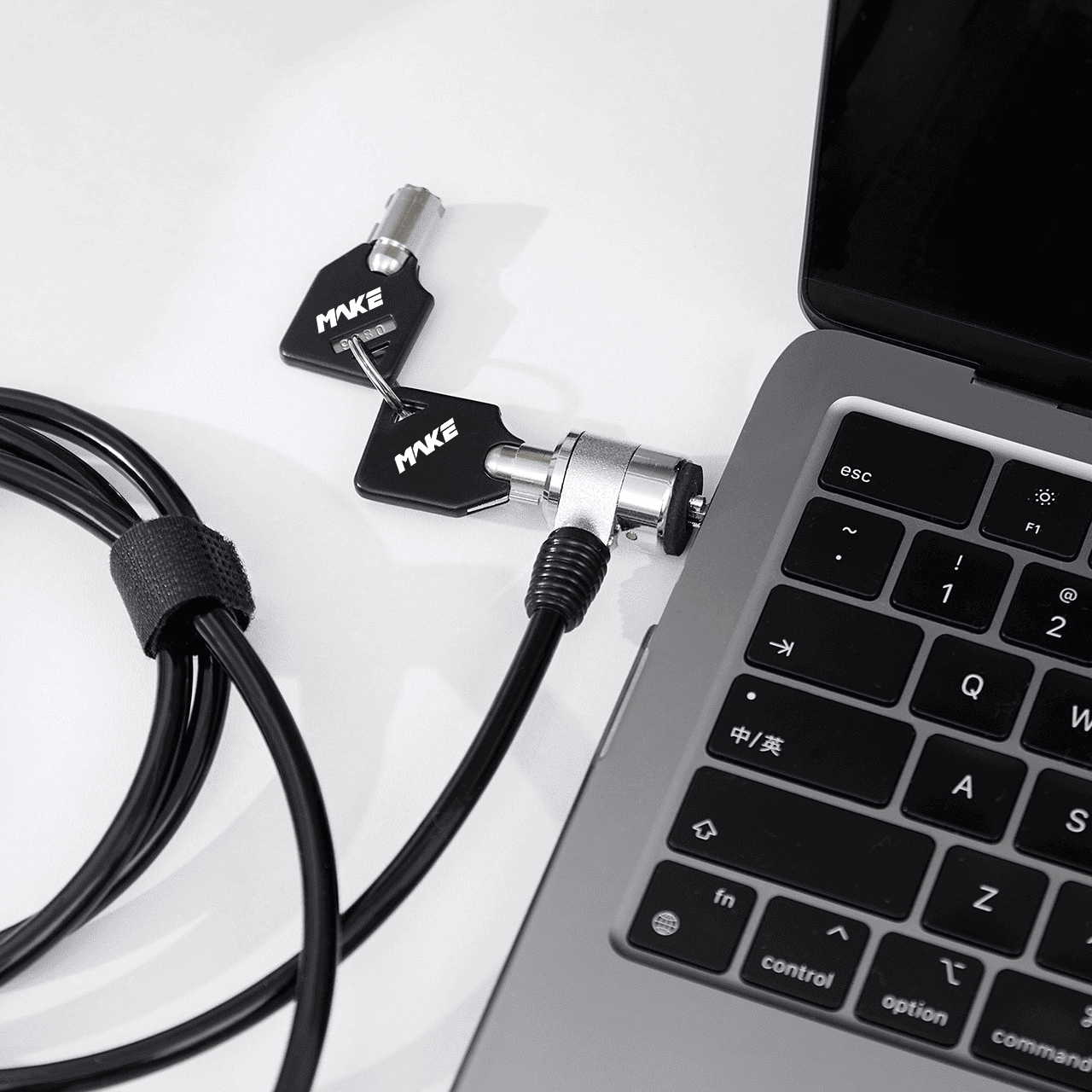
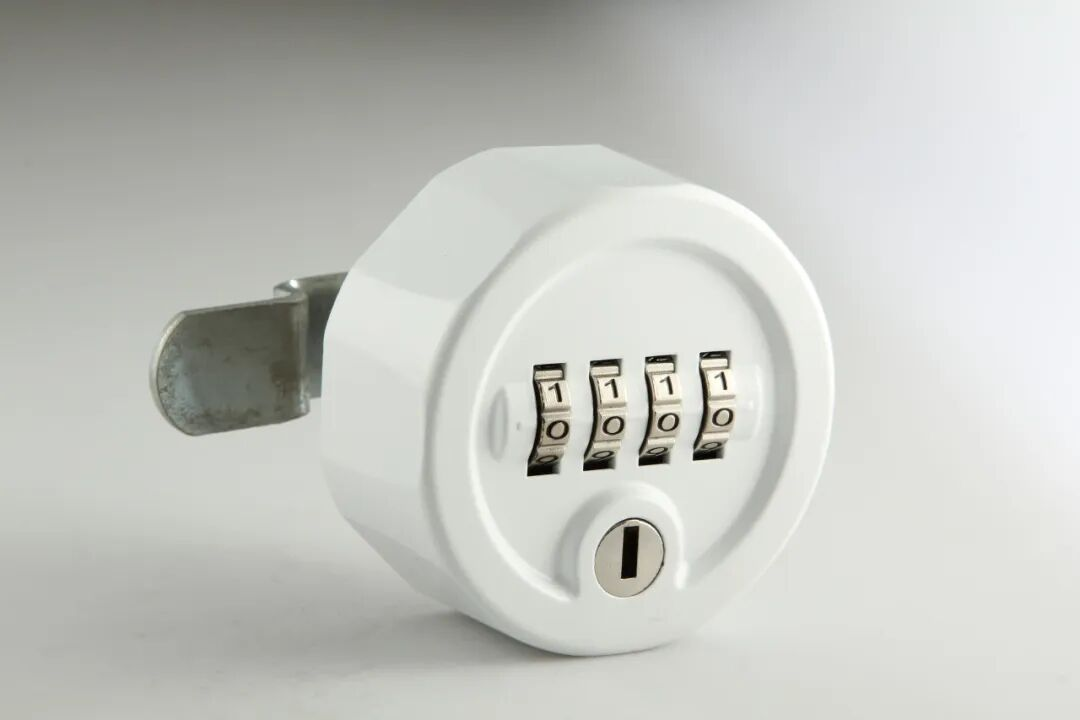
This patented technology is embodied in MAKE's MK708 lock. When users forget their password, the lock allows quick recovery using a master key—offering a significantly simpler and more convenient solution than the traditional "probe + master key" method commonly used in the industry.
Operating Procedure:
- Insert the master key to position and unlock the mechanism.
- Rotate the dials from top to bottom until they can no longer move.
- The original password is then successfully identified.
After review, the court confirmed that MAKE is the lawful owner of the patent and that the patent is legally valid and protected under the law. The court further determined that the technical solution used in Ningbo XX's password lock fell within the protection scope of MAKE's utility model patent.
Evidence showed that in December 2024, without MAKE's authorization, Ningbo XX manufactured, sold, and offered to sell products incorporating the patented technology, thereby constituting patent infringement under applicable laws.
As a result, MAKE was entitled to civil compensation.
The court ruled that Ningbo XX must bear civil liability for infringing MAKE's patent rights. Cixi XX failed to provide evidence proving that its assets were independent from those of Ningbo XX and was therefore ordered to bear joint and several liability.
According to the judgment [Civil Judgment No. (2025) Zhe02 Minchu 1593], Ningbo XX and Cixi XX were ordered to compensate MAKE for economic losses amounting to tens of thousands of yuan.
Recently, the full compensation amount has been received, and MAKE's legitimate rights and interests have been effectively safeguarded.
Winning this lawsuit is not merely an end—it is a powerful affirmation of MAKE's long-term commitment to research, development, and respect for intellectual property. At MAKE, we build our core competitiveness on patents and secure the future through technology.
Since its establishment, the company has continuously increased its R&D investment, expanded its high-level technical team, and achieved steady growth in authorized patents. Every investment has translated into enhanced product safety, reliability, and technological leadership.
To date, MAKE has assembled more than 130 professional R&D engineers, driving continuous product innovation and performance improvement. The company has also secured over 500 domestic and international patents, many of which fill critical gaps in the industry. These achievements are not only a testament to MAKE's technological strength but also a solid guarantee of our ability to deliver consistently high-quality locking solutions to customers worldwide.
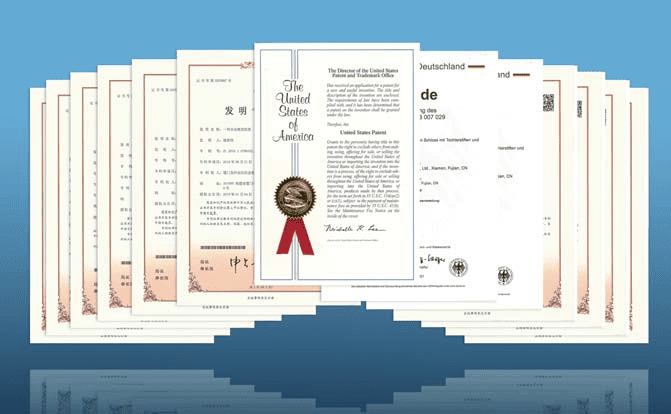
Innovation remains at the heart of MAKE's strategy. We will continue to strengthen our technological foundation, protect intellectual property, and drive high-quality development across the lock industry—ensuring that our customers benefit from secure, reliable, and industry-leading products.