The Ultimate Guide to Mechanical Cabinet Locks for Offices and Homes
Mar 20, 2026 / Industry News / 52 views
In today's world of advanced electronic security systems, mechanical cabinet locks remain an essential and often overlooked solution. These locks operate using purely physical mechanisms—such as keys, pins, or rotating dials—without relying on batteries, electricity, or connectivity. Their simplicity is their strength, offering a level of reliability and longevity that many electronic alternatives cannot match. Whether for office filing cabinets, industrial storage units, or secure personal lockers, mechanical cabinet locks have been trusted for decades—and even centuries—to safeguard valuable items, documents, and sensitive materials.
Mechanical cabinet locks combine convenience, durability, and robust security, making them a practical choice for both residential and commercial applications. Unlike electronic systems, they are immune to power failures, hacking attempts, or software malfunctions. This makes them particularly suitable in environments where security must be maintained consistently, regardless of external factors. Understanding the types, functions, and benefits of mechanical cabinet locks is crucial for anyone looking to implement secure storage solutions.
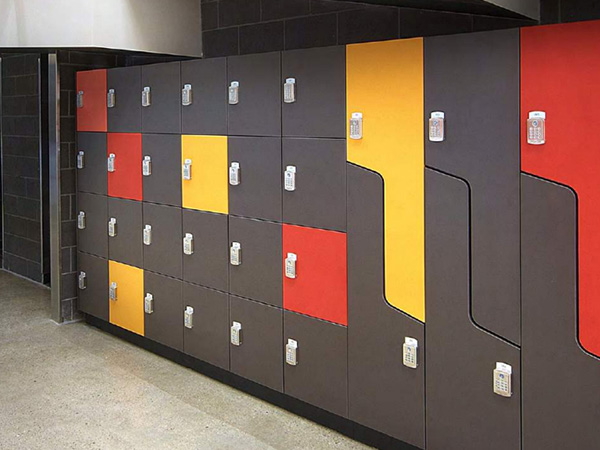
A mechanical cabinet lock is a security device that controls access to a cabinet or enclosure using purely mechanical components. Unlike electronic locks, which depend on electricity or digital coding, mechanical locks rely on physical operations to open or secure the cabinet. The lock functions through mechanisms such as keys, pins, levers, cams, or dials, all of which must be manipulated in a specific sequence to grant access.
The core appeal of mechanical locks lies in their simplicity. There are no batteries to replace, no software updates to install, and no chance of network vulnerabilities being exploited. This makes mechanical cabinet locks a dependable choice for critical storage areas. Whether it is protecting confidential office files, medical records, tools, or sensitive equipment, mechanical cabinet locks provide peace of mind with minimal maintenance.
Mechanical cabinet locks come in various designs, each suited for different needs and use cases. Two of the most common categories include keyed cabinet locks and combination cabinet locks.
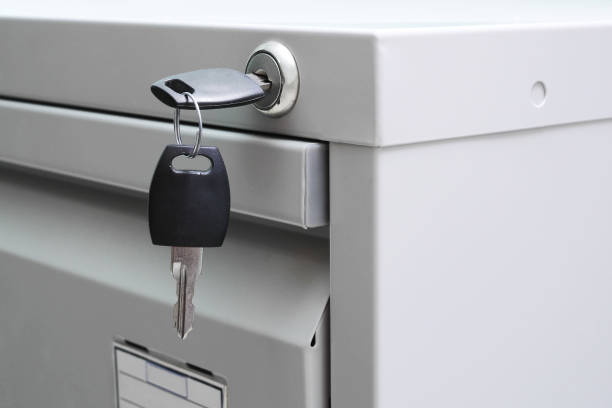
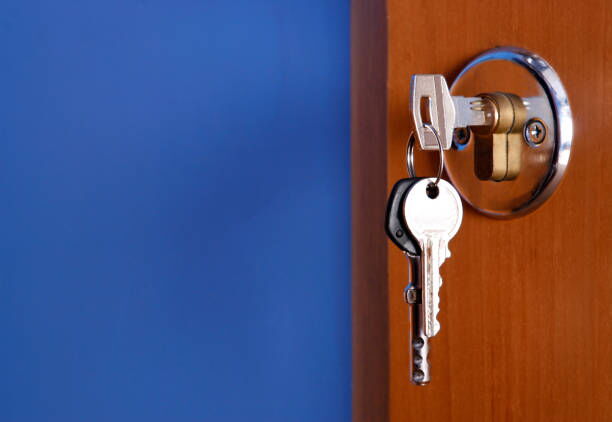
Keyed cabinet locks are the traditional, widely recognized type. They include cam locks, deadbolts, and other mechanisms operated with a physical key. These locks are ideal when:
Keyed locks offer several advantages. They are extremely durable, often lasting for decades without any major repairs. Additionally, they are straightforward to operate—just insert the key, turn, and access is granted. Common applications include personal filing cabinets, tool storage cabinets, and office storage units. For environments where access control needs are simple but reliable, keyed cabinet locks remain the gold standard.
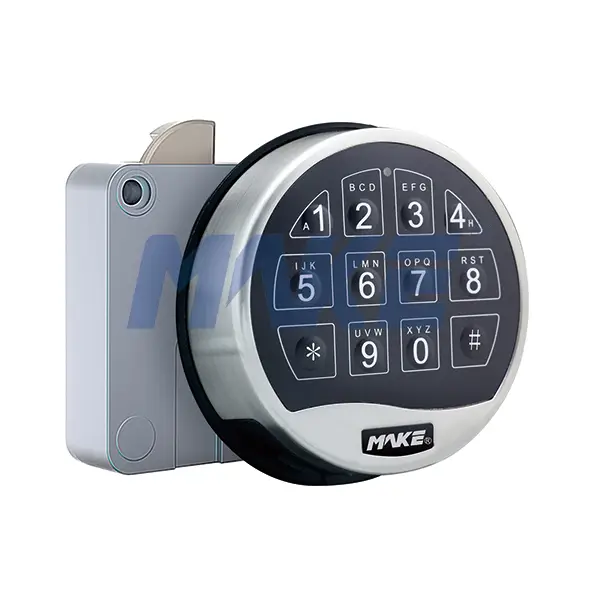
Combination cabinet locks provide a keyless alternative. Users gain access by entering a numeric or alphanumeric code, which aligns internal components in the lock to allow the door to open. These locks are perfect for:
Combination locks eliminate the need to manage physical keys, which is particularly advantageous in large organizations or public spaces. Users can reset codes as needed, maintaining security while simplifying operations. Modern combination locks often feature robust metal construction, ensuring they are resistant to tampering, picking, and other forced-entry attempts.
Despite the rise of digital locking systems, mechanical cabinet locks continue to offer unique advantages:
These advantages make mechanical cabinet locks particularly suitable for offices, hospitals, schools, industrial facilities, and residential applications. They are ideal for situations where long-term reliability and low operational costs are priorities.
Mechanical cabinet locks are highly versatile and can be applied across various industries and scenarios:
In all these applications, mechanical locks provide reliable security while being easy to use and maintain, which is essential in busy environments.
Selecting the appropriate mechanical cabinet lock depends on several factors:
Consider the sensitivity of the items being stored. High-value or confidential items require locks with more robust mechanisms, thicker metal components, and resistant designs.
Industrial environments or outdoor installations may require heavy-duty locks that can withstand harsh conditions. Look for corrosion-resistant metals like stainless steel or brass.
Choose locks with simple operation, especially in high-traffic areas. Overly complex mechanisms can slow down access or lead to operational errors.
For environments where maintenance is difficult, choose mechanical locks known for reliability and minimal upkeep.
Proper installation is critical to ensure the effectiveness of a mechanical cabinet lock. Key steps include:
Professional installation is recommended for high-security applications, ensuring that the lock functions correctly and offers maximum protection.
Mechanical cabinet locks require minimal maintenance but benefit from occasional attention to extend lifespan:
With proper care, a mechanical cabinet lock can provide decades of dependable service, making it a sustainable investment for long-term security needs.
While mechanical locks are traditional, manufacturers continue to innovate by enhancing their design and usability:
These improvements maintain the simplicity of mechanical systems while offering increased flexibility and security for modern applications.
Mechanical and electronic locks serve the same purpose—securing cabinets—but have different advantages:
Feature | Mechanical Locks | Electronic Locks |
Power | None | Batteries or AC power |
Durability | High | Moderate (depends on electronics) |
Maintenance | Low | Higher (batteries, firmware) |
Security | Resistant to hacking | Vulnerable to cyber attacks |
Cost | Affordable | Higher initial cost |
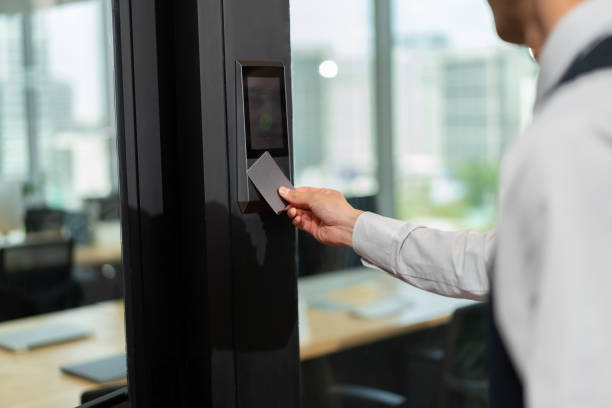
User Access | Key or combination | Keypad, RFID, Bluetooth, Wi-Fi |
Mechanical locks are ideal when reliability, durability, and low maintenance are priorities, whereas electronic locks offer advanced features like remote access, monitoring, and integration with security networks.
Even as electronic locking systems grow in popularity, mechanical cabinet locks remain widely used due to their dependability and simplicity. Future trends include:
These trends ensure that mechanical locks will continue to play a vital role in secure storage solutions for years to come.
Mechanical cabinet locks are a timeless security solution, offering simplicity, reliability, and durability unmatched by many modern alternatives. Available in keyed and combination designs, they meet the needs of residential, commercial, industrial, and public applications. Their advantages—such as low maintenance, cost-effectiveness, and resistance to power or software failures—make them ideal for securing sensitive materials and valuables. Proper selection, installation, and maintenance ensure optimal performance and long-lasting security. As industries continue to value reliability and practicality, mechanical cabinet locks remain a cornerstone of physical security, bridging tradition with modern-day requirements.