In today's rapidly evolving security landscape, the demand for efficient, flexible, and intelligent locking systems has never been greater. Traditional mechanical locks, while still widely used, are increasingly being replaced or upgraded by more advanced digital solutions that offer enhanced control, auditability, and convenience. Among these innovations, digital combination locks have emerged as a key technology reshaping how organizations manage access to lockers, cabinets, storage units, and secure enclosures.
Digital combination locks combine electronic control with user-defined access codes, eliminating the need for physical keys while significantly improving operational efficiency. From corporate offices and educational institutions to gyms, hospitals, and industrial facilities, these locks are becoming the preferred choice for modern access management systems.
As security requirements continue to grow more complex, manufacturers are focusing on developing smarter, more durable, and highly adaptable digital locking systems. These systems not only provide secure access but also integrate seamlessly with broader access management ecosystems, enabling centralized control and remote allocation capabilities.

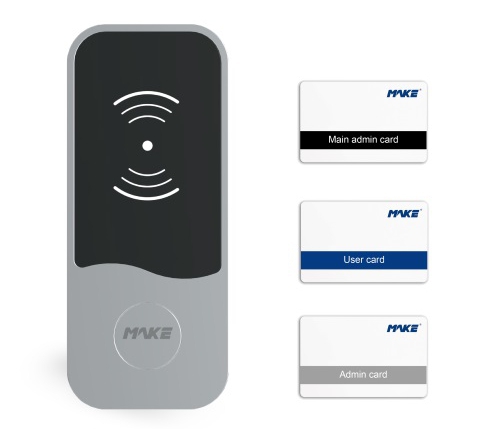
Digital combination locks are electronic locking devices that allow access through a numerical PIN code, RFID card, mobile app, or integrated access system rather than a traditional mechanical key. Once the correct code or credential is entered, the internal electronic mechanism triggers the locking or unlocking function.
Unlike conventional locks, digital combination locks are designed to support dynamic access control. This means that access permissions can be easily created, modified, or revoked without changing the physical lock itself. This feature makes them especially valuable in shared environments where multiple users require controlled, time-sensitive access.
Modern digital combination locks are typically powered by long-life batteries and are designed with low-energy consumption circuits to ensure stable performance over extended periods. Many models also include emergency override systems, audit trails, and integration capabilities with centralized management software.
These locks are widely used in:
- Office storage cabinets
- Gym lockers
- Educational institution lockers
- Industrial storage enclosures
- Smart furniture systems
- Parcel and delivery lockers
- Healthcare storage units
As digital transformation continues to influence facility management practices, digital combination locks are increasingly viewed as a foundational component of smart access infrastructure.
The global shift toward smart buildings and automated facility management has significantly increased demand for electronic locking systems. Organizations are seeking solutions that reduce administrative overhead, improve user convenience, and enhance overall security performance.
Digital combination locks meet these requirements by offering:
- Keyless access control
- Reduced risk of lost or duplicated keys
- Improved accountability through access tracking
- Easy scalability for large installations
- Compatibility with modern access management platforms
In environments such as corporate offices or co-working spaces, the ability to dynamically assign and revoke access permissions is particularly valuable. For example, employees may be assigned temporary access to lockers or storage units without requiring physical key handovers.
Similarly, in educational or fitness environments, where usage is highly dynamic, digital combination locks provide a streamlined solution for managing shared storage systems efficiently.
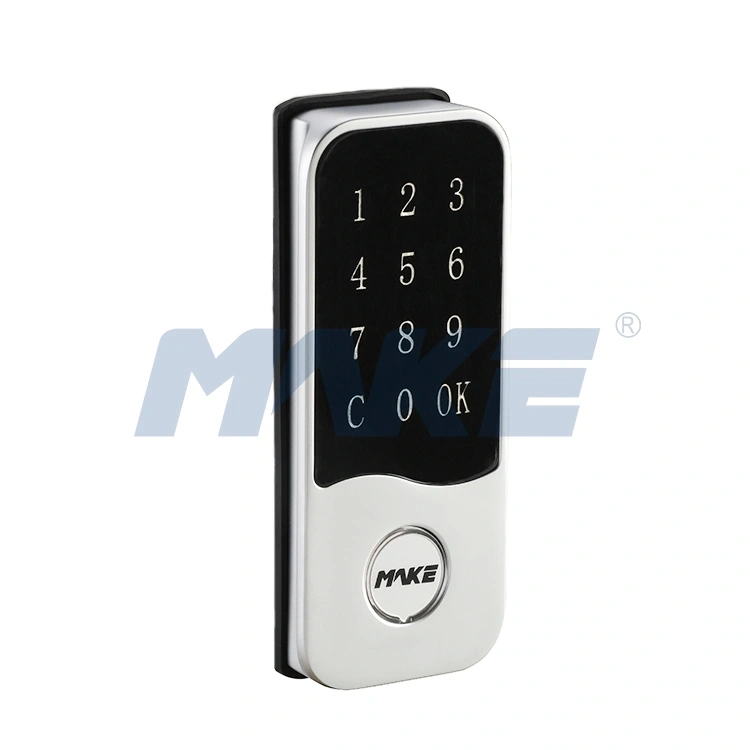
Modern digital combination locks are engineered with a wide range of advanced features designed to enhance usability, durability, and integration flexibility. Leading product ranges—such as MAKE's best-selling digital combination lock series—offer multiple configurations to suit different application environments.
One of the most important advantages of digital combination locks is their versatility. They can be installed on:
- Lockers
- Storage cabinets
- Office furniture
- Metal enclosures
- Wooden compartments
- Industrial storage units
This adaptability makes them suitable for both commercial and institutional use, as well as specialized industrial applications where secure storage is essential.
A significant innovation in modern digital locking systems is compatibility with Remote Allocation Systems (RAS). This feature allows administrators to assign access permissions remotely without physical interaction with the lock.
Through RAS integration, facility managers can:
- Assign temporary or permanent access rights
- Update user credentials instantly
- Monitor lock usage centrally
- Reduce on-site maintenance requirements
This capability is especially valuable in large-scale deployments such as office buildings, hospitals, or university campuses where managing hundreds or thousands of locks manually would be inefficient.
Despite the advanced electronic functionality, digital combination locks also include essential backup systems. One of the most critical safety features is the mechanical steel override key.
This feature ensures that authorized personnel can gain immediate access in emergency situations, such as:
- Battery failure
- System malfunction
- Forgotten PIN codes
- Security override requirements
The mechanical override function provides a reliable fail-safe mechanism, ensuring uninterrupted access when electronic systems are unavailable.
To accommodate different design requirements and installation environments, digital combination locks are available in both surface mount and flush mount configurations.
Surface Mount Installation: Ideal for retrofitting existing furniture or enclosures without major structural modifications.
Flush Installation: Provides a seamless, integrated appearance suitable for modern furniture design and high-end architectural applications.
These installation options ensure that digital locks can be used across a wide range of aesthetic and functional requirements, from industrial cabinets to premium office interiors.
Manufacturers are increasingly offering extensive product ranges to meet diverse customer needs. Digital combination lock portfolios now include:
- Different keypad configurations
- RFID-enabled models
- Hybrid electronic-mechanical systems
- Multi-user programmable locks
- High-security industrial-grade variants
This broad selection allows customers to choose locking systems tailored to specific security levels, environmental conditions, and usage patterns.
Customization is also becoming a key trend, with manufacturers offering OEM and ODM services to adapt lock designs, interfaces, and functionalities for specific projects or branding requirements.
The evolution of digital combination locks is closely linked to advancements in microelectronics, wireless communication, and smart building technologies. Several key trends are shaping the future of the industry.
Many modern digital locks are now designed to integrate with Internet of Things (IoT) platforms. This allows real-time monitoring of lock status, usage logs, and access events.
IoT-enabled systems provide:
- Centralized monitoring dashboards
- Real-time alerts for unauthorized access attempts
- Predictive maintenance notifications
- Data analytics for usage optimization
Battery efficiency is a critical factor in digital lock design. New-generation locks use ultra-low-power circuits to extend battery life significantly, reducing maintenance frequency and operational costs.
Some systems can operate for several years on a single battery set, depending on usage frequency and environmental conditions.
Security remains the core function of digital combination locks. Modern systems use advanced encryption and authentication protocols to prevent unauthorized access or code duplication.
These enhancements include:
- Anti-tamper detection mechanisms
- Encrypted PIN transmission
- Multi-factor authentication options
- Automatic lockout after repeated failed attempts
Digital combination locks are increasingly being adopted across multiple sectors due to their flexibility and reliability.
In modern workplaces, employees often require secure storage for personal belongings and documents. Digital locks simplify access management and eliminate the need for key distribution.
Schools and universities use digital combination locks in student lockers, providing secure, assignable access that can be reset each term or semester.
Gyms and sports centers benefit from high-turnover locker systems where users require temporary access without administrative intervention.
Healthcare Facilities
Hospitals and clinics use digital locks for medication storage, equipment cabinets, and restricted access areas where security and compliance are critical.
Factories and warehouses rely on robust locking systems to secure tools, chemicals, and sensitive materials. Digital combination locks provide controlled access while maintaining operational efficiency.
Digital combination locks are rapidly gaining adoption as a modern security solution across residential, commercial, and industrial sectors. They provide a smarter alternative to traditional key-based systems by enabling keyless access through PIN codes or electronic credentials, making them ideal for securing lockers, cabinets, storage units, and sensitive assets.
One of the key advantages of digital combination locks is convenience. Users no longer need to carry physical keys, reducing the risks of loss, theft, or duplication. Access codes can be easily set, changed, or removed, offering flexible control for administrators and end users. Market research shows the digital locking industry is experiencing strong growth, driven by increasing demand for intelligent and connected security systems.
Digital locks also improve operational efficiency in shared environments such as offices, gyms, schools, and healthcare facilities. Access can be assigned dynamically, eliminating manual key distribution and improving user management. Many systems also support programmable features such as auto-locking, access scheduling, and alarm functions, which enhance overall security performance.
However, challenges remain. Weak or reused PIN codes can reduce security effectiveness, and reliance on electronics introduces risks such as battery failure or system malfunction. In some cases, users may experience temporary access issues if maintenance is neglected.
Despite these limitations, digital combination locks offer significant long-term benefits, including reduced key management costs, improved scalability, and seamless integration with modern smart building systems. As technology advances, they are becoming an essential component of future-ready access control infrastructure.
The future of digital combination locks is closely tied to the development of smart infrastructure and intelligent building systems. As digital transformation accelerates across industries, these locks are expected to become even more sophisticated.
Key future trends include:
- Full integration with mobile credential systems
- Cloud-based access management platforms
- AI-driven security analytics
- Biometric authentication integration
- Increased adoption in smart cities and automated facilities
As these technologies evolve, digital combination locks will continue to play a central role in shaping secure, efficient, and intelligent access control systems worldwide.
Digital combination locks represent a significant advancement in modern security technology, offering a powerful combination of convenience, flexibility, and enhanced protection. With features such as Remote Allocation System compatibility, mechanical override options, and versatile installation designs, they are well-suited for a wide range of industries and applications.
As demand for smart, connected security solutions continues to grow, digital combination locks are expected to remain at the forefront of innovation in access control systems—driving the transition toward fully integrated, intelligent security environments.