ATM Machine Locks: Advanced Security Solutions for Modern Banking
Mar 17, 2026 / Industry News / 51 views
Automated Teller Machines (ATMs) have become a cornerstone of modern banking, providing customers with convenient, 24/7 access to cash, account management, and other essential financial services. With the growing reliance on ATMs globally, ensuring the security of these machines has become a critical priority for financial institutions. Historically, banks have relied on conventional mechanical ATM locks to secure cash compartments and critical operational areas. These locks are simple, cost-effective, and easy to operate, which explains their continued use even in today's increasingly digital banking ecosystem.
However, mechanical ATM locks come with significant vulnerabilities. Lost or stolen keys not only trigger costly replacements but also expose ATMs to potential theft during the transition. Moreover, mechanical locks do not provide real-time monitoring or access tracking, leaving institutions vulnerable to internal and external fraud. While traditional ATM locks remain convenient, the escalating sophistication of criminals and the global increase in ATM-related crime have underscored the need for more advanced, technology-driven locking solutions.
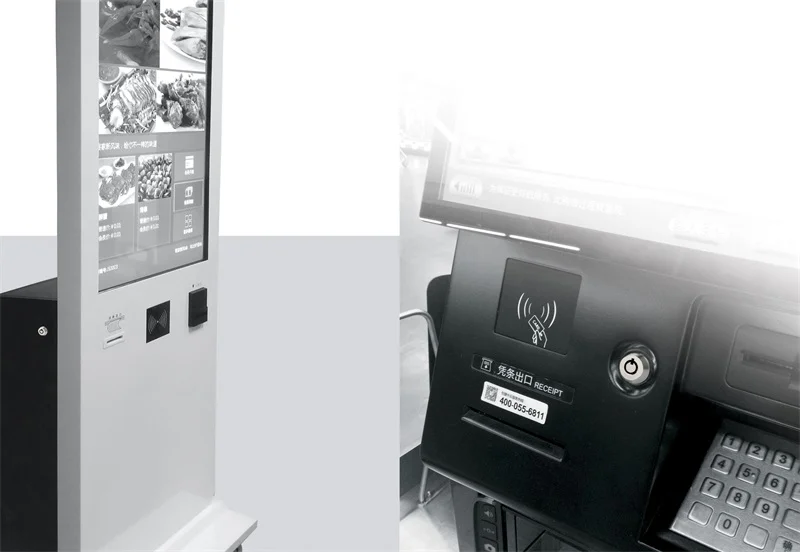
ATM security has become more complex in recent years due to the simultaneous rise in physical and digital threats. Criminals have developed increasingly sophisticated techniques to bypass traditional mechanical security measures, posing significant risks to both cash and sensitive data.
Physical theft remains one of the most pressing concerns for banks. Criminal groups often target ATMs using brute force, explosive devices, or lock-picking techniques. Even minor vulnerabilities, such as predictable maintenance schedules or human error, can be exploited to gain unauthorized access.
Mechanical key duplication is another common issue. If an unauthorized person obtains a copy of a key—whether through theft, loss, or insider collusion—they can access multiple ATMs undetected. The lack of real-time monitoring and audit logs makes it difficult for banks to trace access events, increasing the risk of both internal and external fraud.
Alongside physical threats, cybercrime targeting ATMs has grown exponentially. Hackers attempt to manipulate ATM software, intercept communication networks, and exploit vulnerabilities in remote management systems. Malware attacks, skimming devices, and network intrusions can allow criminals to access funds or sensitive customer information without ever touching the physical machine.
The combination of physical and digital threats has created an urgent need for holistic ATM security solutions that go beyond conventional locks. Banks are now evaluating technology-driven alternatives to improve protection, accountability, and operational efficiency.
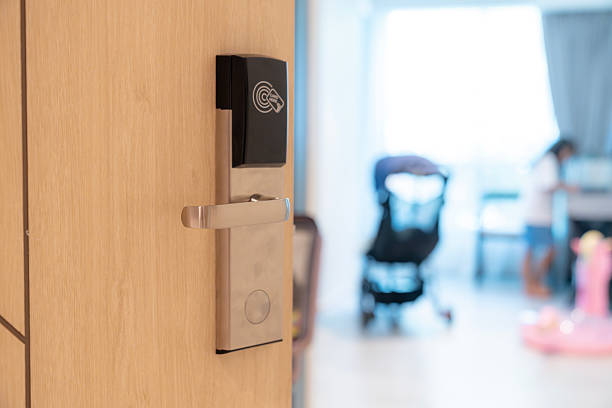
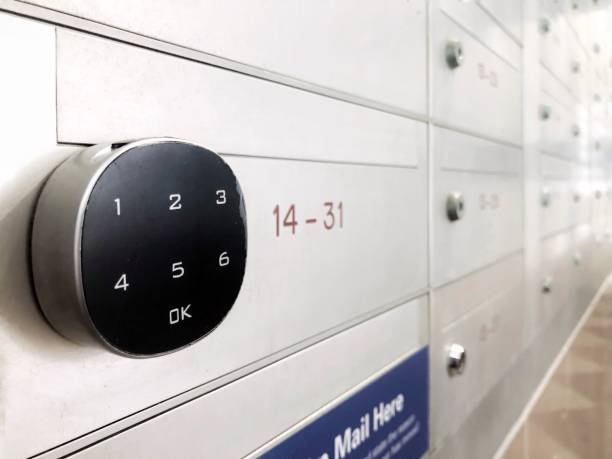
To combat rising threats, financial institutions are increasingly adopting one-time code (OTC) locks and other advanced electronic locking systems. These solutions integrate physical security with digital authentication, enabling secure access while providing detailed tracking and audit capabilities.
By combining physical and digital controls, OTC locks dramatically reduce the risks associated with key loss, duplication, or unauthorized access, offering a comprehensive solution for ATM security.
Adopting OTC or electronic locks provides numerous benefits for banks, both in terms of security and operational efficiency.
Electronic locks minimize vulnerabilities inherent in mechanical systems. Time-sensitive codes prevent key duplication, while audit logs and two-factor authentication ensure that every access attempt is verifiable and traceable. This level of oversight protects against both insider threats and external attacks, providing peace of mind for bank administrators.
Mechanical locks require manual distribution of keys and physical presence for installation or replacement, which is time-consuming and labor-intensive. OTC locks allow banks to manage access codes remotely, reducing reliance on physical keys and improving response times for maintenance or emergency operations.
Financial institutions must adhere to strict regulatory standards for ATM security. Electronic locks provide detailed audit trails that can be downloaded instantly for reporting or investigation purposes. This transparency supports compliance with regulations such as PCI DSS (Payment Card Industry Data Security Standard) and other regional banking security mandates.
While electronic locks require an initial investment, long-term savings are significant. Costs associated with key replacement, lock maintenance, and potential theft incidents are reduced, making OTC locks a financially prudent choice for modern banking infrastructure.
With advanced security measures in place, customers can trust that their funds are safe and that ATMs are protected against theft and fraud. This assurance strengthens the bank's reputation and reinforces customer loyalty.
Transitioning from traditional mechanical locks to electronic OTC systems requires strategic planning. Banks must assess hardware compatibility, staff training needs, and integration with existing ATM networks.
Most OTC lock systems are designed for retrofitting, enabling banks to upgrade existing ATMs without replacing entire machines. However, careful evaluation is necessary to ensure seamless integration with cash dispensers, card readers, and communication modules.
Effective training programs are essential for successful adoption. Employees must understand how to generate and use one-time codes, monitor audit logs, and troubleshoot issues. Proper training reduces human error and strengthens overall security awareness within the organization.
Banks should establish contingency procedures in case of system malfunctions. Emergency override protocols, secondary authentication methods, and centralized support ensure that authorized personnel can access ATMs safely during technical failures.
Electronic lock systems must be incorporated into broader cybersecurity frameworks. Data encryption, secure communication channels, and regular software updates are critical to prevent unauthorized access or cyberattacks.
Electronic ATM locks serve a broad range of use cases across banking, retail, and public infrastructure sectors.
When ATMs run out of cash or experience technical issues, mobile teams equipped with OTC-enabled access can quickly restore operations without compromising security.
Events, festivals, and construction sites often require temporary ATM deployment. OTC locks allow secure, flexible access without long-term infrastructure investment.
In regions with elevated crime rates, electronic locks combined with surveillance cameras, tamper sensors, and alarm systems create a multi-layered security solution.
Banks with multiple ATMs can centrally manage access permissions, monitor performance, and generate audit reports, enhancing operational efficiency across all locations.
Financial institutions can use electronic locks to pilot ATM networks, test deployment strategies, and evaluate user demand before committing to permanent installations.
The next generation of ATM locks incorporates advanced technologies to enhance security, usability, and operational intelligence.
Fingerprint, iris, and facial recognition are being integrated into OTC locks to provide an additional layer of protection. Biometric authentication ensures that only authorized personnel gain access.
Cloud connectivity allows centralized monitoring, remote code generation, and predictive maintenance, enabling real-time operational oversight across distributed ATM networks.
Artificial intelligence can analyze access patterns, detect suspicious activity, and predict potential threats. AI-assisted systems can automatically flag unusual behavior for investigation, reducing response times.
Future lock systems may integrate energy storage and renewable power sources to maintain security even during power outages. This capability ensures that ATMs remain protected under all circumstances.
Despite clear benefits, the transition to electronic ATM locks presents challenges.
The security of ATMs is paramount in today's digital banking environment. While conventional mechanical locks have served institutions for decades, evolving threats and operational inefficiencies make them insufficient for modern demands.
Electronic one-time code locks offer a secure, efficient, and flexible solution. By combining digital authentication, audit capabilities, and physical access control, OTC locks enhance security, reduce operational costs, and improve regulatory compliance.
As technology continues to advance, integration with biometrics, AI analytics, and cloud-based management will further strengthen ATM security. Financial institutions that adopt these advanced locking solutions can safeguard cash, prevent fraud, and maintain customer confidence, ensuring that their ATM networks remain secure, resilient, and future-ready in an increasingly complex financial landscape.
Investing in advanced ATM locks is no longer just an option—it is a strategic imperative for banks committed to protecting assets, optimizing operations, and meeting the expectations of today's security-conscious customers.